
Tinubu rigging claim: Isaac Fayose says president can only win three states honestly
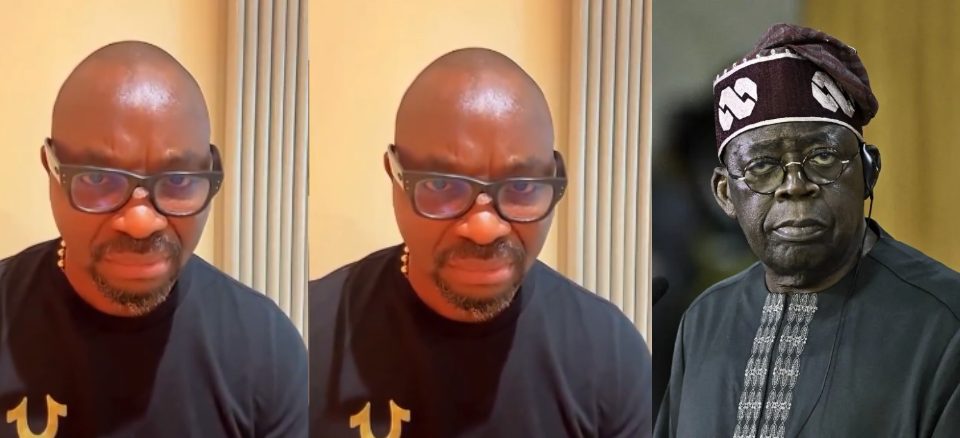
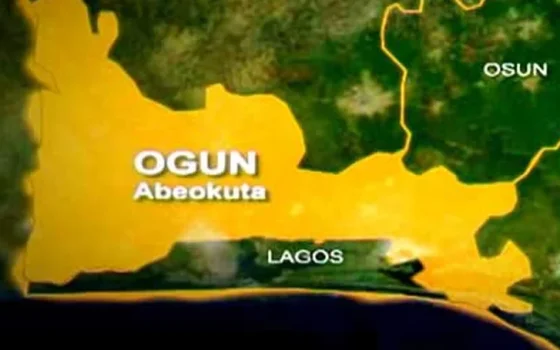
Isaac Fayose, a well‑known social commentator, sparked a wave of reactions on social media by asserting that President Bola Ahmed Tinubu could win only Ekiti, Osun and Ogun states without resorting to tinubu rigging. In a statement that quickly circulated online, Fayose warned that the president’s political camp would have to manipulate the electoral process to secure victories elsewhere. The claim, made ahead of the 2027 general elections, has been framed as an allegation rather than a verified fact, prompting vigorous discussion across platforms.
Fayose’s exact words, posted as a screenshot on Twitter, read: “The only states President Tinubu can win without rigging are Ekiti, Osun and Ogun. Every other state they can only win by rigging.” The phrasing was repeated in several retweets, and the image was captioned with his handle, emphasizing the boldness of the assertion. While Fayose did not provide supporting data, his reputation as a vocal critic of the ruling All Progressives Congress (APC) gave the comment weight among his followers.

The reaction on the internet was immediate and varied. Commenters expressed disbelief, anger and sarcasm, reflecting deep polarization in Nigeria’s political climate. One user, identified as @Ceejay, wrote, “Tinubu can never win a fair election neverrr even sowore will do better than him in votes.” Another, @Tosin, suggested that Tinubu’s confidence was unwavering, stating, “I don’t even think he’s bothered. He knows he’s going to win. Whether he rigs or not. Nigerians never ready sha.” These remarks illustrate the skepticism that surrounds the incumbent’s electoral prospects.
Other responses attacked Fayose personally. A user called @Olamide accused the commentator of hypocrisy, noting that his brother had spent eight years as governor yet still supported Tinubu, and asking, “what are you the fuck are you.” Meanwhile, @Dailyhub dismissed Fayose’s credibility, labeling him a “noise‑making online complainer” and questioning his grassroots mobilisation efforts. Such exchanges highlight the contentious nature of political commentary in the digital age, where personal attacks often accompany policy critiques.
A more satirical tone emerged from @Baa Baa Black Sheep, who suggested that any state where Tinubu wins without rigging should consider a petition to separate from Nigeria. This hyperbolic suggestion show the frustration felt by some citizens who perceive electoral manipulation as a systemic problem. Even more resigned commentary came from @picano homes interior 🏠, who remarked, “Wether e rig or not that man go enter in confidence too much,” indicating a belief that Tinubu’s confidence may be misplaced regardless of the election’s fairness.
Fayose’s allegation arrives at a time when the APC is preparing for the next electoral cycle. The party, which has held power since 2015, faces mounting pressure to demonstrate credibility and transparency. Although the 2027 elections are still years away, the discourse surrounding potential rigging reflects broader concerns about electoral integrity that have persisted since the 2019 and 2023 polls. Observers note that allegations of manipulation often surface months before elections, influencing voter sentiment and party strategies.
Political analysts note that Ekiti, Osun and Ogun are traditionally strongholds for the APC, making Fayose’s selection of those states plausible from a partisan perspective. These regions have historically delivered high vote shares for Tinubu and his allies, partly due to established party structures and grassroots networks. However, the claim that any victory outside these three areas would require rigging is more speculative, lacking empirical evidence. Critics argue that such statements can fuel cynicism and diminish public trust in democratic institutions.
The ruling party has not issued an official response to Fayose’s comment, but APC spokespersons typically emphasize the legitimacy of the electoral process and the need for peaceful participation. In past statements, the party has dismissed similar accusations as politically motivated attempts to tarnish the president’s image. Whether the administration will address this specific allegation remains uncertain, as the political calendar still holds several months of campaigning and policy rollout before the next general election.
Social media platforms continue to serve as battlegrounds for political narratives in Nigeria. The rapid spread of Fayose’s tweet demonstrates how a single comment can catalyse a cascade of opinions, memes and rebuttals. For many Nigerians, these online debates shape perceptions of candidate viability and the likelihood of electoral reforms. The government’s ability to manage misinformation while protecting free expression will be tested as election season intensifies.
Meanwhile, civil society organisations dedicated to electoral monitoring are urging all parties to commit to transparent practices. Groups such as the Transition Monitoring Group (TMG) often call for independent oversight, voter education and adherence to the Independent National Electoral Commission’s (INEC) guidelines. Their advocacy aims to mitigate the very concerns Fayose raised, seeking to ensure that future polls are free from undue influence.
In the weeks ahead, the conversation sparked by Fayose is likely to reappear in various forums, from town hall meetings to televised debates. As political actors calibrate their strategies, the focus on Ekiti, Osun and Ogun may intensify, with local leaders either defending the claim as a reality check or refuting it to protect their constituencies’ reputations. The interplay between regional politics and national ambitions will shape the narrative surrounding Tinubu’s electoral outlook.
The next notable development will hinge on whether the APC chooses to directly counter Fayose’s assertion or allow the discourse to evolve organically. Should the party launch a campaign highlighting its achievements in the three states, it could reinforce the idea that victories are earned rather than engineered. Conversely, an overt dismissal may fuel further speculation about the president’s reliance on electoral engineering. Observers will watch closely for any official statements, as they may set the tone for the pre‑election period.
As the 2027 election cycle approaches, the lingering question remains whether the allegations of tinubu rigging will translate into concrete reforms or simply add another layer to Nigeria’s already complex political tapestry. The coming months will reveal how stakeholders, politicians, commentators, voters and watchdog groups, deal with these contentious claims and what impact they will have on the nation’s democratic trajectory.











Join the conversation