
African Creator Payments Face Hurdles Despite Global Reach
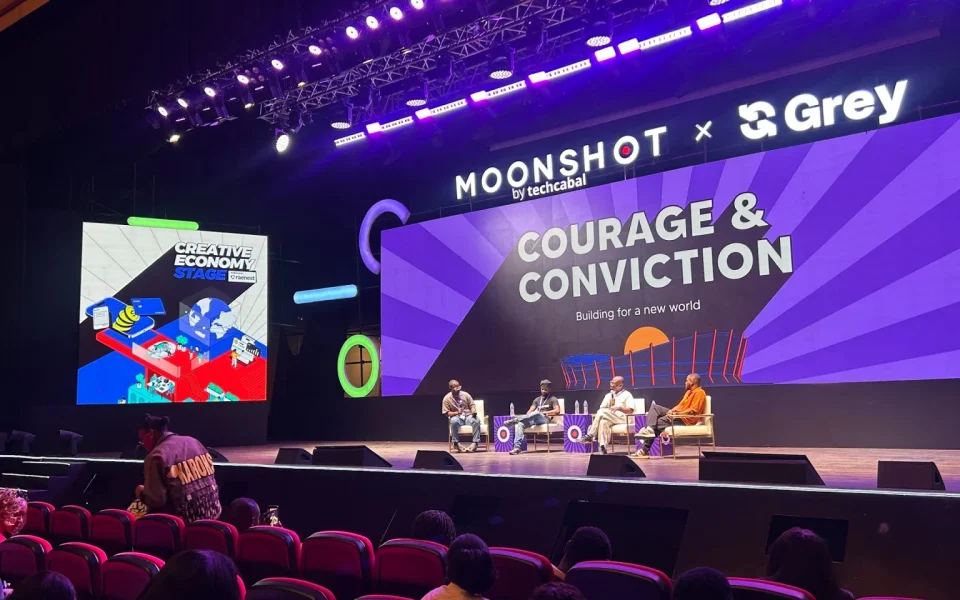
African creator payments were the focus of a panel hosted by Moonshot at TechCabal, where founders of Selar, Mainstack and Raenest warned that turning a worldwide audience into reliable earnings is still a major challenge. The discussion highlighted that most creators in Nigeria earn less than $100 a month, according to the Nigerian Creator Economy Report 2025, and that payment infrastructure is the missing link between fans and revenue.
Ayobami Oyaleke, founder and CEO of Mainstack, described his service as a “commerce platform and financial back office for creators” operating in roughly 150 countries. He argued that an audience is essentially a pool of untapped revenue, but creators must have a clear path to collect it. “Tools only give you the pipe,” Oyaleke said, emphasizing that creators still have to manage the flow of money themselves. Mainstack’s strategy is to treat every creator as global from day one, ensuring that a first $100 from an overseas buyer does not disappear due to payment failures.
Mainstack’s model reflects a broader trend in the continent’s tech scene, where startups are building end‑to‑end solutions that combine storefronts, invoicing and tax compliance. For many African creators, the hurdle is not the lack of talent or content, but the absence of a seamless checkout experience that works across currencies, banks and mobile money operators. Oyaleke noted that even when a creator’s work goes viral, the revenue often stalls at the point of conversion because the payment gateway drops the transaction or imposes prohibitive fees.
Douglas Kendyson, who launched Selar in 2016 after seeing Paystack users struggle with expensive website quotes and unreliable payouts, recounted his company’s growth to a bootstrapped, profitable operation. Selar reports having paid out more than ₦18 billion (about $12.9 million) to nearly 400,000 creators across the continent. Kendyson stressed that Selar does not source customers for creators; instead, it provides an affiliate network that allows marketers to sell a creator’s product for a commission, a feature that now generates more revenue than Selar’s subscription fees.
Selar’s affiliate model is designed to sidestep one of the common pain points for creators: the need to constantly chase sales leads. By letting independent marketers promote digital products, Selar creates a secondary revenue stream that does not depend on the creator’s own marketing muscle. Kendyson pointed out that this approach also spreads the risk of payment delays, because the affiliate earns a cut only when the transaction is successfully completed.
Sodruldeen Mustapha, co‑founder and CTO of Raenest, focused on the need for payment control for African freelancers and creators. He argued that talent already flows abroad, so earnings should follow the same routes, arriving in any currency and remaining under the creator’s control. Raenest’s payment feature aims to give creators the ability to collect funds from any client worldwide without losing a share to intermediaries.
Mustapha highlighted that many African freelancers work for clients in Europe, the United States or the Gulf, yet they often receive payments through a maze of correspondent banks that eat up a portion of the earnings in conversion fees. Raenest’s platform allows the creator to receive the full amount in a digital wallet, then convert or withdraw it at a rate they choose. This level of control, he said, is essential for sustainable careers that depend on cross‑border contracts.
All three founders agreed on a core problem: a creator based in Lagos can attract followers from Europe and the United States instantly, yet the money rarely makes the same journey. Kendyson noted that a new payment gateway seems to appear every week, but “payments are still very fractured for a lot of us.” He added that the solution does not need to be groundbreaking; it simply has to function reliably across borders.
The panel’s insights reflect a broader reality for many African creators who rely on digital platforms to monetize their work. While the continent’s creator economy is expanding, the lack of seamless cross‑border payment systems limits growth and keeps many artists in precarious financial positions. Industry observers say that without consistent payment infrastructure, the promise of a global audience remains more aspirational than attainable for most creators.
Experts note that the fragmentation stems partly from the diversity of financial ecosystems across Africa. In Nigeria, for example, the dominance of mobile money, bank transfers and emerging fintech solutions creates a patchwork where each method has its own set of fees and settlement times. In West Africa, the regional ECOWAS payment corridor is still nascent, meaning that a buyer in Paris may trigger a transaction that has to pass through multiple clearing houses before reaching a Nigerian bank account. These layers add friction and increase the likelihood of failed or delayed payouts.
The challenges are not purely technical. Regulatory frameworks differ from country to country, and compliance requirements for anti‑money‑laundering (AML) and know‑your‑customer (KYC) procedures can deter small‑scale creators from onboarding foreign payment methods. Many platforms therefore default to local payment options that limit the size of the market they can serve.
Looking ahead, the founders said their companies will continue to refine tools that bridge the gap between followers and cash flow, but they also called on larger fintech players and policymakers to address systemic payment fragmentation. As the conversation at Moonshot concluded, the next step is ensuring that the infrastructure exists to let every creator collect the revenue their audience generates, regardless of where the buyer resides.
The panel ended with a call for collaboration: Selar, Mainstack and Raenest will keep testing integrations with banks, mobile operators and global card networks, while urging regulators to streamline cross‑border settlement rules. If those efforts gain traction, the gap between a creator’s reach and their earnings could finally start to close.









Join the conversation