
Lagos Ibadan crash: passenger in critical condition dies at Sagamu hospital
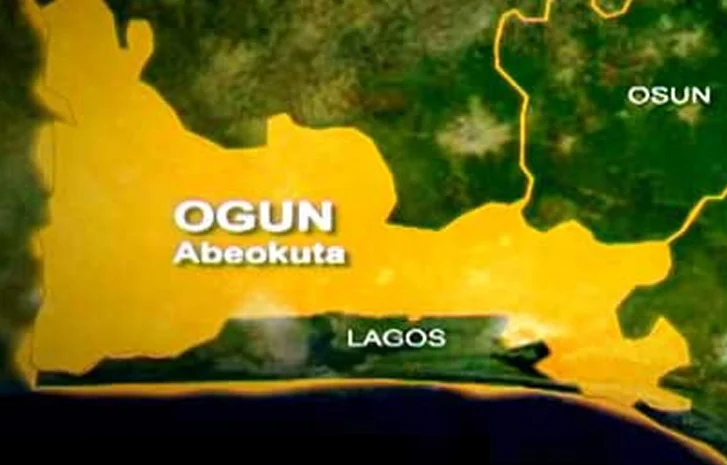
The Lagos Ibadan crash claimed another victim on Saturday when the only passenger who remained in critical condition after the Friday collision died at Olabisi Onabanjo University Teaching Hospital (OOUTH) in Sagamu, Ogun State. The Ogun State Traffic Compliance and Enforcement Agency (TRACE) confirmed the death in a report released early Saturday, noting that the passenger passed away while receiving treatment. The announcement was made during a post‑crash visit by the TRACE Unit Commander, Saapade, Cmdr Oridota P.O., who relayed the hospital’s statement to the agency’s spokesperson, Akinbiyi Babatunde.
The fatality marks a grim turn in an incident that initially left 13 people injured but no deaths, according to the agency’s first bulletin. TRACE had earlier detailed that a Mazda‑bodied bus carrying 18 occupants suffered a tyre burst, overturned and slammed into a concrete barrier on the Lagos‑bound stretch of the Lagos‑Ibadan Expressway. Emergency services rushed the injured to three different facilities: nine to Divine Hospital in Ogere, three to Isara General Hospital, and the most severely hurt passenger to OOUTH in Sagamu.

“The only passenger in critical condition that was taken to OOUTH has passed on,” the TRACE report quoted the hospital management as saying during the morning visit. The deceased passenger was not identified by name, age or gender in any of the agency’s releases, and no further personal details have been released to the public. The lack of identification follows a pattern in Nigerian crash reporting where victims’ privacy is often preserved until families are formally notified.
Among the injured were two men, eight women and three children, all of whom were evacuated from the crash scene shortly after the bus overturned. While most of the victims were taken to Victory Hospital in Ogere, the passenger who later died had been transferred to OOUTH because of the severity of his injuries. Hospital staff worked throughout the night, but despite intensive care, the passenger’s condition deteriorated, leading to his death before the end of the first day of treatment.
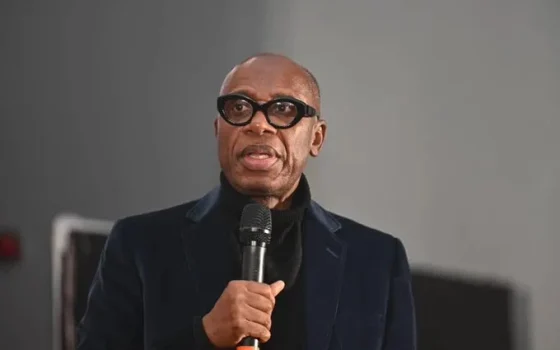
The crash attracted national attention after popular Nollywood actor Kunle Afod posted a video on Instagram, alleging that no ambulance or emergency responders arrived at the scene for about 20 minutes. In the clip, Afod appealed to the Ogun State Government, the Federal Road Safety Corps (FRSC) and other agencies to assist the victims, accusing officials of ignoring a serious emergency. His post sparked a wave of comments, with many users demanding swift action and better emergency response on the busy Lagos‑Ibadan corridor.
The Ogun State Government responded swiftly on Saturday, contesting Afod’s account and providing a timeline of the emergency response. According to the statement, a passerby reported the accident to the FRSC point in Ogere at 12:18 pm, and an ambulance along with FRSC personnel arrived at the site at 12:28 pm, ten minutes after the report. The government further asserted that victims were taken to Victory Hospital in Ogere, while those with more serious injuries, like the passenger who later died, were conveyed to OOUTH in Sagamu. Officials accused the actor of politicising the incident, suggesting his comments were aimed at gaining undue attention.
The discrepancy between the actor’s claim and the government’s timeline reflects a broader tension in Nigeria over the adequacy of road safety infrastructure. The Lagos‑Ibadan Expressway, a major artery linking the commercial hub of Lagos with the interior of the country, sees heavy traffic daily and has been the site of several high‑profile accidents in recent years. Critics argue that poor vehicle maintenance, overloaded buses and delayed emergency response contribute to the high casualty rates on this route.
TRACE’s ongoing investigation will likely focus on the cause of the tyre burst that precipitated the bus overturning. While the agency has not released a definitive cause, past incidents on the expressway have been linked to worn‑out tires, over‑inflation and insufficient road maintenance. The agency’s findings may inform future safety recommendations, potentially prompting stricter enforcement of vehicle inspection standards for commercial transport operators.
Families of the injured continue to receive updates from hospital officials, who say most victims are stabilising after surgery or conservative treatment. The three children among the injured, according to the initial report, were transferred to pediatric wards and are under close observation. Hospital authorities have not disclosed the current condition of the two men and eight women who were also treated, citing privacy concerns.
Local residents near the crash site expressed shock at the news, noting that the sound of the bus overturning reverberated across nearby villages. Many said they witnessed the accident but were unable to assist due to the rapid spread of the wreckage and the sudden arrival of emergency teams. The incident has reignited calls from community leaders for more visible and faster response units along the expressway, especially in the stretches that traverse rural Ogun State.
The death of the passenger brings the total toll of the Lagos Ibadan crash to one fatality and thirteen injured, a figure that will likely be reflected in the final accident report expected from TRACE later this week. The agency has pledged to release a comprehensive account that includes recommendations for improving emergency response times and vehicle safety standards.
As the investigation proceeds, authorities urge the public to report any further developments and to cooperate with officials should additional information about the crash emerge. The Ogun State Government has reiterated its commitment to supporting victims and their families, promising that medical expenses for those injured will be covered under existing state health schemes. The next steps will involve a formal inquiry into the bus’s maintenance records and a review of the emergency services’ deployment protocols on the Lagos‑Ibadan corridor.










Join the conversation