
APC campaign chief says hardworking Nigerians should have food despite food shortage
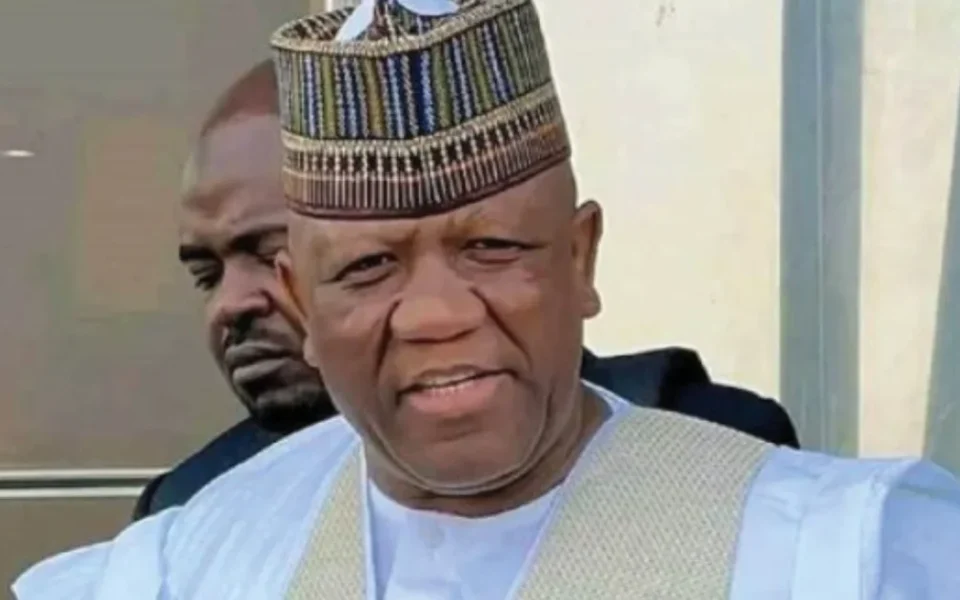
Abdulaziz Yari, director‑general of the All Progressives Congress (APC) Presidential Campaign Council, used a rally in Uyo on Friday to argue that anyone who is not lazy should be able to put food on the table. Speaking from the Godswill Akpabio International Stadium in Akwa Ibom State, Yari pointed to the sight of rice and other staples on market shelves as evidence that Nigerians who have money can feed themselves, even as the country wrestles with a broader food shortage. He asked whether anyone had gone to market with cash only to discover empty shelves, implying that hunger is a matter of personal effort rather than market scarcity.
Yari’s remarks came as the APC campaigns for President Bola Tinubu’s bid for a second term in the 2027 general elections. The former Zamfara governor acknowledged that hunger exists in Nigeria, but he framed it as a problem of personal responsibility. “Just as I said, we have hunger. Let me ask a question here. Akwa Ibom people, from where I came from, we have food in the market. I don’t know, in Akwa Ibom, are there any person who took his money to the market and found out there is no rice? Are there anybody with his money in his pocket, go to the market to get foodstuff and say that there is no foodstuff in the market?” he asked the crowd. He added that “anyone who is not a lazy person, definitely he will have food on his table,” reinforcing his view that market availability should translate into household meals for those willing to work.

The comments arrived at a time when Nigerians are feeling the strain of higher food prices, a weakening naira and the removal of the petrol subsidy. Those macro‑economic pressures have reduced purchasing power for many households, making basic commodities less affordable even when they appear on store shelves. While Yari focused on the presence of food in markets, critics argue that structural challenges, such as inflation, import dependency and logistics bottlenecks, are the real drivers of the shortage. Opposition figures have seized the moment to question the administration’s handling of the economy.
Former Vice‑President Atiku Abubakar, now the African Democratic Congress presidential candidate, dismissed Tinubu’s earlier accusations against opponents as “delusion”. He blamed government policies for the hardship and urged citizens to demand answers on why food remains expensive and scarce despite regular salary payments. Atiku also highlighted the removal of the petrol subsidy and the naira’s depreciation as policies that have hurt ordinary Nigerians. His remarks reflect a broader opposition narrative that the government’s economic record, rather than individual laziness, is responsible for the current hardship.
President Tinubu himself has previously blamed past leaders, particularly opposition parties, for the nation’s hunger and poverty. At a separate APC rally in Kaduna on October 24, he claimed that opponents “created hunger and poverty” and promised to eradicate those problems if re‑elected. The president defended his administration’s record by noting that government salaries are paid regularly and by promising prosperity if he wins a second term in 2027. His defence of the economic record, coupled with Yari’s remarks, has drawn sharp rebuke from the National Democratic Congress (NDC). Its chairman, Moses Cleopas, told Saturday PUNCH that the ruling party should accept responsibility for the country’s economic woes rather than shifting blame onto critics, labeling the strategy as “irresponsible”.
Analysts note that the political debate over food scarcity is part of a longer pattern in Nigeria where elections often become a forum for contesting macro‑economic performance. Markets may indeed be stocked with rice, beans and other staples, but if inflation outpaces wage growth, many families cannot afford to purchase those items. The situation is further complicated by regional differences; some states enjoy better supply chains while others struggle with transport disruptions. Such nuances mean that a blanket statement about market availability does not capture the lived reality of many Nigerians who face empty cupboards despite the presence of goods on the shelves.
The APC’s narrative that market availability guarantees food for diligent Nigerians will be tested by on‑the‑ground realities in the coming weeks. As the campaign trail continues, both parties are sharpening their messages on economic performance. The ruling side emphasizes regular salary payments and the promise of continued stability, while the opposition stresses the need for structural reforms, subsidy reinstatement and policies that protect the most vulnerable from price shocks. Voters, especially those in the informal sector who feel the impact of rising living costs, are likely to scrutinise any promises against their everyday experience.
In the weeks ahead, the debate over who bears responsibility for the food shortage is expected to remain a focal point of voter sentiment. The APC’s stance, articulated by Yari before a cheering crowd, positions personal effort as the key to securing a meal. Meanwhile, opposition leaders continue to press the government for concrete policy changes that address inflation and supply‑chain constraints. How each side translates rhetoric into actionable proposals will shape public opinion as the 2027 elections draw nearer.













Join the conversation