
Illegal Mining Pit Collapse Claims Life of 35‑Year‑Old Miner in Plateau State
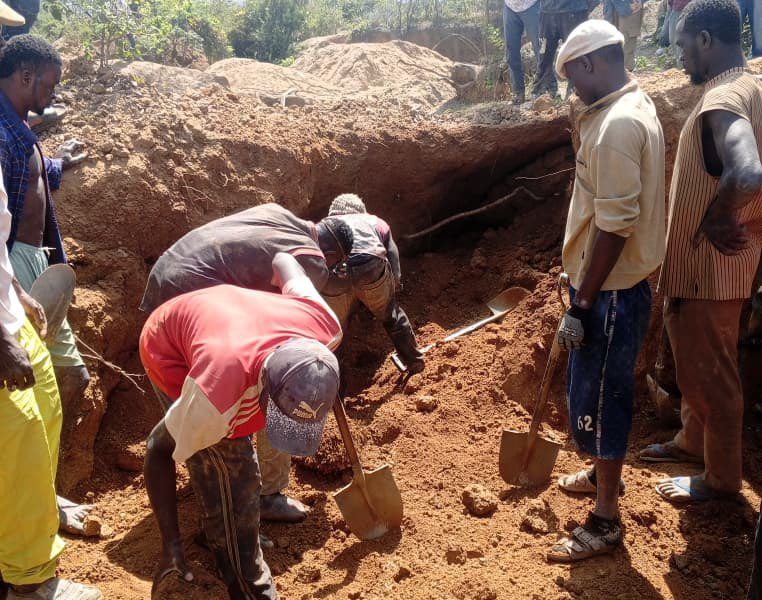
A 35‑year‑old miner identified as Ibrahim Jabir lost his life when an illegal mining pit gave way in Asaradan village, part of Jos East Local Government Area in Plateau State, on Sunday morning. The tragedy unfolded at about 11:10 a.m. on November 1, 2026, after local residents reported the collapse and troops from Sector 1, Sub‑Sector 12 of Operation Enduring Peace (OPEP) rushed to the scene. Upon arrival, the soldiers found the body already retrieved by community members, confirming the fatal outcome of the incident. The incident shows the perilous nature of unregulated mining activities that lack proper engineering and safety oversight.
Security sources said the OPEP contingent was dispatched immediately after the distress call, reflecting the government’s heightened vigilance over illegal mining operations in the region. The troops’ rapid response aimed to secure the area, assess any further hazards, and provide assistance to the grieving families. After confirming the death, the forces contacted the Keystone Division in Angware to coordinate the next steps, including possible forensic examination and the removal of debris. No additional injuries were reported, and the site was cordoned off to prevent further accidents.
The collapse show a broader pattern of risk associated with illegal mining pits across Nigeria. In many parts of the country, especially in remote or economically marginalised areas, individuals and informal groups dig shallow shafts using rudimentary tools. These makeshift excavations are often created without any engineering design, without reinforcement, and without any supervision from qualified geologists or mining inspectors. When rains swell the soil or when extraction continues unchecked, the earth can shift suddenly, causing the shaft to give way.
Communities living near such sites face a double burden. On the one hand, the pits provide a source of income for people who have few alternatives; on the other hand, they expose families to the danger of sudden collapses, landslides and water contamination. Environmental degradation is another by‑product of unregulated mining. The removal of vegetation and the disturbance of soil can lead to erosion, loss of arable land and the pollution of streams that villages depend on for drinking water and farming.
Authorities have repeatedly warned that unlicensed operations not only endanger workers but also pose a danger to nearby residents and infrastructure. In recent years, the federal Ministry of Mines and Steel Development, together with state agencies, has issued statements urging miners to seek proper licensing and to adhere to safety protocols. Despite these warnings, the lure of quick cash continues to draw people into illegal pits, especially where formal employment is scarce and social safety nets are thin.
Local officials have not yet disclosed whether any regulatory action will follow the Asaradan incident, but the absence of immediate details suggests that investigations are still underway. The state government, which has pledged to curb illicit mining, may consider tightening patrols and increasing public awareness campaigns to deter risky practices. Environmental groups have long advocated for stricter enforcement, arguing that sustainable mining requires proper licensing, regular inspections, and community involvement in safety planning. The recent fatality could serve as a catalyst for more decisive measures, though the balance between economic necessity and safety remains a contentious issue in many rural areas.
The tragedy has also highlighted the role of the military in responding to civilian emergencies. Operation Enduring Peace, originally established to address security challenges in the north‑central region, has taken on a secondary function of rapid disaster response. Troops stationed in the area are trained to react to incidents such as mine collapses, building collapses and floods. Their presence on the ground can help prevent further loss of life while authorities gather evidence and coordinate with civil agencies.
As the community mourns the loss of Ibrahim Jabir, families and neighbours gather to support one another while awaiting further information from the authorities. Traditional mourning rites are being observed, with residents holding a prayer gathering at the village centre. Relatives of the deceased have expressed grief but also a resolve to seek justice and prevent similar accidents.
The OPEP unit and Keystone Division are expected to submit a detailed report on the circumstances of the collapse, which could inform future policy decisions. The report is likely to address the structural deficiencies of the pit, the timeline of the rescue attempt and any lapses in local monitoring. It may also recommend specific enforcement actions, such as the sealing of the illegal shaft, the imposition of fines on those responsible for its creation, or the deployment of additional security patrols to deter further illegal excavation.
Meanwhile, security forces continue to monitor other mining sites in Plateau State, aiming to prevent a repeat of this tragedy. Patrols have been intensified along known informal mining routes, and checkpoints have been set up to intercept equipment that could be used for illegal digging. Community leaders have been urged to report suspicious activity and to cooperate with authorities in identifying unlicensed operations.
The next steps will likely involve a combination of investigative work, possible enforcement actions, and outreach to local residents about the dangers of illegal mining pits. In the weeks ahead, the state may also host town‑hall meetings to discuss alternative livelihood programmes, such as agricultural cooperatives or vocational training, intended to reduce the reliance on hazardous mining. Whether these measures will be enough to curb the practice remains to be seen, but the loss of Ibrahim Jabir stands as a stark reminder of the human cost of unregulated extraction.















Join the conversation