
Harrysong says he can sleep with an ex if they’ve resolved issues
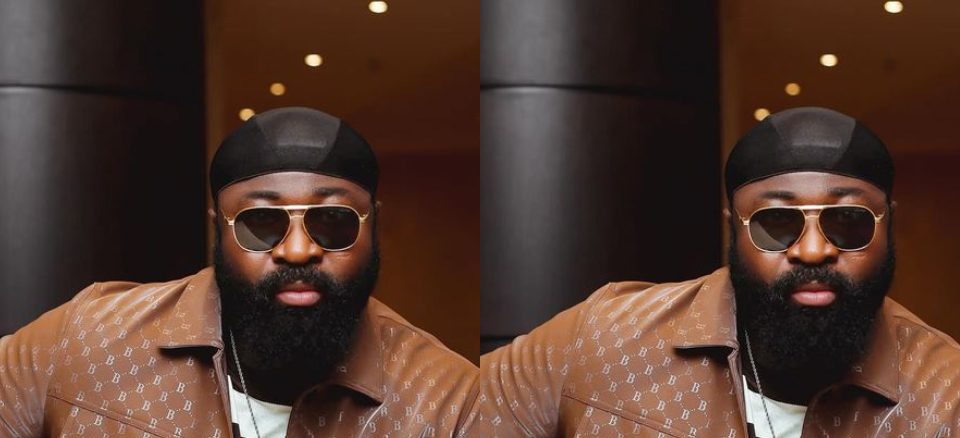
Harrysong’s recent comment about being open to intimacy with an ex‑girlfriend has quickly become a talking point across Nigeria’s social media platforms. The singer, whose real name is Harrison, told followers that he “is not against sleeping with my ex, as long as we’re not fighting and she don rebrand and package well,” adding that the possibility hinges on past problems being settled and the former partner showing positive change. The phrase “harrysong ex” appeared in his own tweet, prompting a flood of reactions that ranged from support to ridicule.
In the original post, Harrysong emphasized that the condition for any renewed closeness would be the absence of conflict and evidence that the ex‑partner had improved her life. He framed the idea as a matter of mutual respect, suggesting that a rebranded and well‑packaged individual would be welcome. The statement sparked a cascade of comments from fans and critics alike, many of whom weighed in on the appropriateness of such openness. Some praised the honesty, while others questioned the moral implications of a public figure discussing private intimacy so bluntly.

Responses on Twitter illustrated the polarized reception. One user, @Elder 📶, wrote “okafor’s law harry my man you sabi 💪🏻,” seemingly endorsing the singer’s stance. In contrast, another account, @son of big wiz 🌱, dismissed the comment as “This man met pervèr+,” indicating disapproval. A third commenter, @Lordmara😈, teased the artist with “Oga you dey miss your wife no dey tell us that,” suggesting a personal angle to the discourse. The variety of remarks show how quickly a single statement can generate a spectrum of public opinion in the digital age.
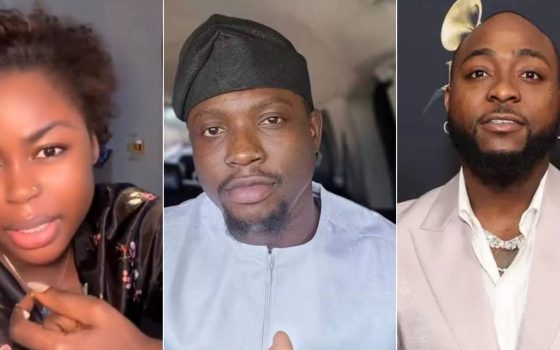
The conversation did not stay limited to Harrysong’s remarks. Social media activist VeryDarkMan, known as VDM, entered the fray by releasing a new video that took aim at fellow musicians Davido and Zlatan Ibile. In the clip, VDM proclaimed “Na me get social media,” asserting his dominance over online narratives. He also hinted at future clashes, stating “As for Zlatan, I dey come…,” which fueled speculation about potential online battles. While unrelated to the original ex‑girlfriend topic, VDM’s provocation added another layer of drama to the trending thread, showing how quickly related controversies can merge on platforms like Twitter.
Followers of VDM responded with mixed feelings. Some mocked his self‑appointed title, calling his claim “bold” but empty. Others expressed excitement, hoping for a new wave of digital sparring that could entertain the audience. One supporter even called VDM “their president,” a tongue‑in‑cheek acknowledgment of his influence among certain circles. These reactions illustrate the broader context of Nigerian social media, where influencers, musicians, and activists often intersect in unpredictable ways, each seeking to shape public discourse.
Harrysong’s comment also raised questions about the broader cultural attitudes toward relationships and public disclosures in Nigeria. While open discussions about love and break‑ups are not new, the explicit mention of sleeping with a former partner pushes the conversation into more private territory. Cultural norms often favor discretion, especially for high‑profile figures whose statements can affect fan perceptions and brand partnerships. The singer’s willingness to speak plainly may reflect a shift toward more candid expression among younger entertainers, yet it also risks alienating more conservative segments of the audience.
Industry observers note that such statements can have commercial implications. Record labels and sponsors frequently monitor artists’ public behavior, weighing potential backlash against the buzz generated by controversy. In Harrysong’s case, the surge of online chatter has already increased his visibility, albeit with a mixed tone. Marketing teams may choose to capitalize on the heightened attention, using it to promote upcoming releases, while simultaneously managing the narrative to avoid reputational damage. The balance between exploiting controversy and maintaining a positive public image remains a delicate one for any artist.
The singer’s management has not issued a formal response beyond the initial tweet, leaving the matter open-ended. As discussions continue, it is likely that more fans will weigh in, possibly prompting Harrysong to clarify his stance or address concerns directly. Meanwhile, VDM’s looming challenge to Zlatan may evolve into a separate storyline, further energizing the online community. Both situations exemplify how quickly personal comments can snowball into broader cultural debates within Nigeria’s vibrant digital sphere.
The latest development sees the hashtag #harrysongex trending across Twitter, with users continuing to share memes, critiques, and supportive messages. No official statement from Harrysong’s record label has been released, and the singer has not posted additional commentary. Observers anticipate that the conversation will persist for several days, potentially influencing future interactions between artists and their audiences. As the dialogue unfolds, the focus remains on how public figures deal with personal revelations in a landscape where every tweet can spark nationwide conversation.












Join the conversation