
Senegal’s beach wrestlers clinch historic Youth Olympic golds
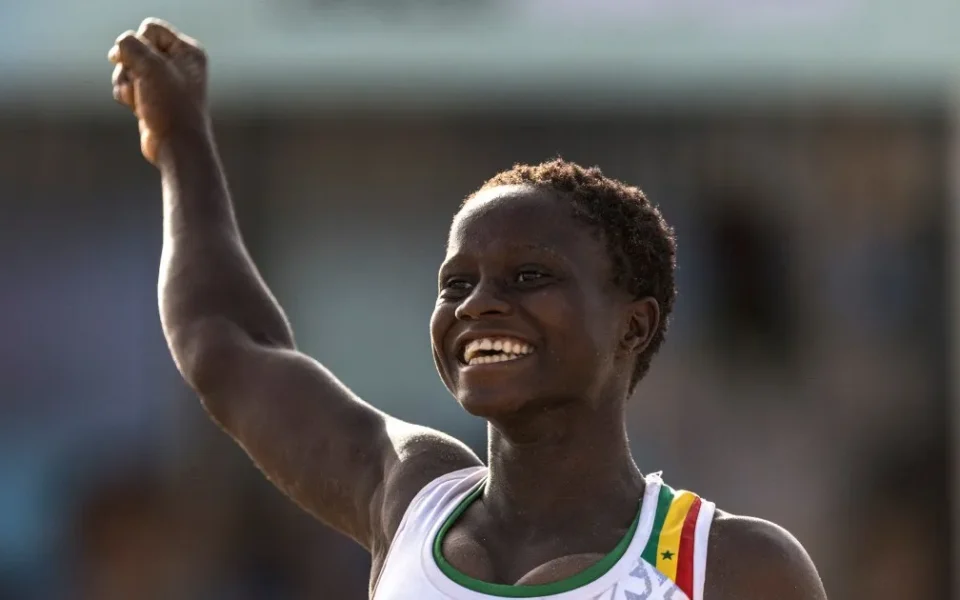
The 16‑year‑old Elisabeth Diatta seized a youth olympic gold for Senegal on Saturday, beating Japan’s Reisa Kojima 5‑1 in the 55 kg beach‑wrestling final at the Dakar Youth Olympics. The victory, achieved on the sands of Saly beach, marked the country’s first gold medal at the event and highlighted how young Senegalese athletes are translating the techniques of their traditional sport, laamb, into success on the international stage.
Diatta, a native of Casamance, had originally trained as a footballer. She entered the wrestling arena only after her older sister Jeannine was injured and could not compete at a local sports camp. Taking her sister’s place, Diatta won her first bout and chose to stay in the sport despite criticism that “wrestling would make me less feminine,” a sentiment echoed by many adults in her community. Her determination paid off when she stepped onto the sand, instinctively seized her opponent and executed a decisive throw that earned her the win and a jubilant celebration reminiscent of football star Cristiano Ronaldo’s trademark “Siu!”.

Coach Isabelle Sambou, herself a two‑time Olympian, watched the triumph with pride. “I wanted to win gold for Senegal when I was an athlete,” she said, adding that the moment finally gave her the reward she had long envisioned. The triumph was soon followed by another gold as 16‑year‑old Maguette Diop secured victory in the boys’ 80 kg category. Diop, who had suffered a semifinal loss to Iran’s Reza Jalilian at the under‑17 world championships in Baku on August 27, entered the final against Azerbaijan’s two‑time champion Nihad Suleymanli with confidence. After a contentious referee decision that initially awarded three points to Suleymanli, Diop’s coaches challenged the call; a video replay reversed the decision, awarding the points to Diop and delivering a 4‑0 win.
The successes came after three months of intensive training designed to adapt Senegal’s traditional wrestling to the beach format. In laamb, victory is achieved by bringing an opponent to the ground on the back, buttocks or knees, or by forcing them onto all fours, with no points system. Beach wrestling, by contrast, awards one point for forcing an opponent out of the circle or for a takedown, and three points for a throw onto the back, which ends the bout. Matches last up to three minutes, and the first competitor to reach three points claims victory. This shift in rules required the young athletes to refine techniques that had been honed in village sand circles for generations.
Wrestling holds a deep cultural significance across Senegal. Laamb is more than a test of physical strength; it is a communal event that blends sport with spirituality. Competitors often seek protection through prayers, rituals and amulets, believing these charms can ward off evil spirits. The bouts are accompanied by the rhythmic beats of sabar drums, which drive ceremonial dances that both summon courage and energize spectators. In the southern region of Casamance, women have historically participated in wrestling, even as men dominate professional circuits, providing a cultural backdrop for Diatta’s breakthrough.
Ndeye Khady Anna Diatta, who added a third Senegalese gold in the 45 kg category the following day, expressed hope that the achievements would inspire other girls. “I hope this experience will give girls courage and determination,” she said, emphasizing the broader impact beyond the medals themselves. By Thursday, Senegal sat sixth on the overall medal table, with three of its five golds coming from wrestling on the sand. The host nation’s performance show how the Youth Olympics, Africa’s first Olympic‑style event, offers more than rankings; it presents young people with role models who have turned a traditional village pastime into world‑class competition.
The victories also signal a shift in perceptions about gender roles within Senegalese sport. While wrestling has long been viewed as a male‑dominated arena, Diatta’s gold illustrates that women can excel and gain recognition in the discipline. The celebration that followed her win, dancing, flag‑wrapping and a jubilant crowd, mirrored the traditional festivities that accompany laamb victories, yet it carried a new narrative of female empowerment.
Looking ahead, the Senegalese wrestling federation plans to build on the momentum by expanding training programs for both boys and girls, aiming to sustain the country’s competitive edge in future continental and global events. Officials anticipate that the exposure from the Youth Olympics will attract more resources and sponsorship, enabling athletes to access better facilities and international competition experience. Meanwhile, the young champions themselves are set to return to their hometowns, where they hope to inspire the next generation to step into the circle, regardless of gender.
The Dakar Youth Olympics will continue until November 13, with the remaining events expected to showcase more emerging talent from across Africa and beyond. Senegal’s wrestlers, having already secured three golds on the sand, stand ready to add to their tally, while the nation watches, hopeful that the spirit of laamb will continue to translate into triumphs on the world stage.











Join the conversation