
Iran retaliation warning: Tehran says war could expand beyond West Asia
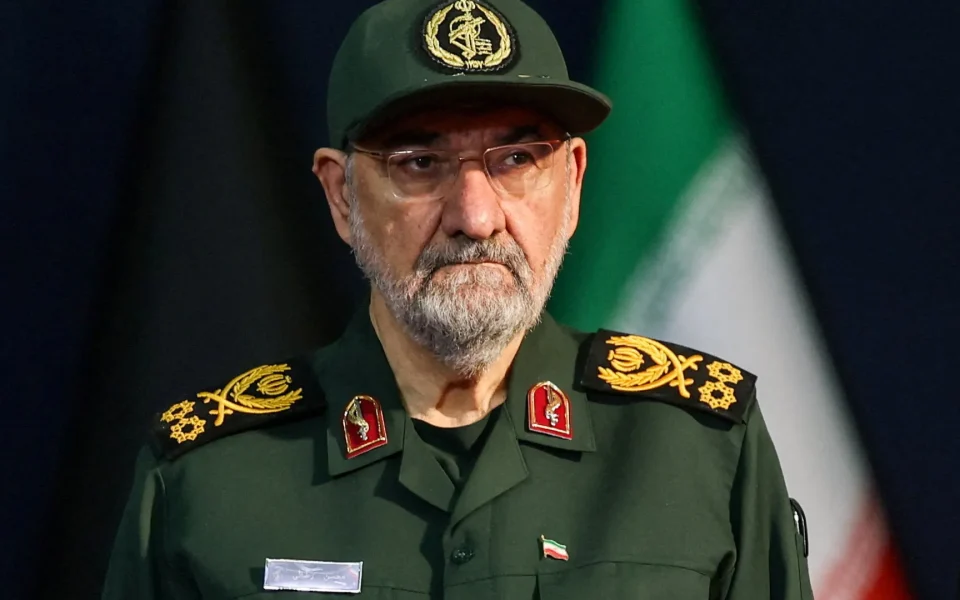
Iran’s parliament speaker Mohammad Bagher Ghalibaf told Al Jazeera on Thursday that Tehran will broaden the conflict if it is hit, echoing a stark warning of “Iran retaliation” that has heightened regional tensions. The statement came as Israel announced its armed forces are accelerating preparations for a potential operation against Iran, raising concerns of an escalating showdown in the Middle East.
Ghalibaf’s comments focused on a recent diplomatic impasse. He said the United States must “make and announce” a decision on the latest Iranian proposal after Washington rejected a plan to move Iran’s stock of 60 percent enriched uranium to a third country. The Iranian speaker framed the U.S. refusal as a breach of trust, suggesting that any Israeli attack would trigger a wider response beyond the immediate theater. In his interview, Ghalibaf also reminded listeners that Tehran has repeatedly warned that it will not tolerate aggression on its sovereign territory and that its response would not be limited to a single strike.

In response, Israel’s defence ministry issued a brief statement urging the military to intensify readiness for a possible strike on Iranian territory. While details of the planned operation were not disclosed, officials indicated that intelligence assessments are being reviewed and force postures adjusted. The move reflects Israel’s longstanding security doctrine, which views Iran’s nuclear capabilities as an existential threat and has previously signalled willingness to act pre‑emptively. Military spokespeople have emphasized that preparation does not mean an imminent launch, but that the forces must be positioned to act swiftly should political decisions dictate a change in strategy.
The backdrop to the exchange lies in a protracted dispute over Iran’s nuclear programme. Tehran has long maintained that its uranium enrichment is for peaceful purposes, yet the International Atomic Energy Agency and several Western governments have expressed alarm at the level of enrichment, which approaches weapons‑grade material. Negotiations mediated by the United Nations have produced a series of proposals aimed at limiting Iran’s enrichment capacity, but progress has stalled amid mutual suspicion. The core of the current deadlock is the question of whether the enriched uranium can be moved out of Iran for monitoring, a step that Tehran says would compromise its strategic independence while the United States argues it would provide needed assurance to the international community.
Analysts note that the current deadlock over the transfer of enriched uranium mirrors earlier breakdowns in the 2015 nuclear deal, which was abandoned by the United States in 2018. Since then, Tehran has resumed higher‑level enrichment, prompting sanctions and diplomatic pressure. The latest U.S. proposal, which sought to relocate the material to a neutral third state for monitoring, was rejected by Tehran as insufficient, according to Ghalibaf’s remarks. Experts caution that without a clear path forward, both sides risk falling back on brinkmanship that could spill over into open hostilities.
Regional actors are watching the developments closely. Saudi Arabia and the United Arab Emirates have repeatedly called for restraint, warning that any escalation could destabilise the already volatile Gulf corridor. Their statements have highlighted concerns about the impact on oil markets, shipping lanes, and the safety of expatriate workers who form a large part of the regional economy. Meanwhile, European capitals are urging both sides to return to the negotiating table, emphasizing that a military clash would have far‑reaching humanitarian and economic consequences. Diplomatic channels in Brussels and Paris continue to press for a diplomatic solution, even as they prepare contingency plans for potential refugee flows or humanitarian assistance.
Within Iran, the speaker’s remarks have been received as a reaffirmation of the country’s resolve to defend its sovereignty. State‑run media highlighted the “Iran retaliation” warning, portraying it as a necessary deterrent against external aggression. The coverage has featured images of national symbols and quoted officials underscoring the principle of “defense of the homeland.” Public sentiment, shaped by years of sanctions and geopolitical isolation, appears to support a firm stance, although some civil society voices have called for diplomatic solutions to avoid further bloodshed. Human rights groups have warned that any broader conflict could exacerbate the suffering of civilians on both sides of the border.
The situation remains fluid, with both Jerusalem and Tehran signaling readiness to act if their red lines are crossed. Observers expect the United States to clarify its position on the uranium transfer proposal in the coming days, a step that could either defuse tensions or deepen the crisis. In Washington, senior officials are reportedly reviewing the diplomatic options while maintaining close contact with allies in the region. As Israel continues to bolster its military preparations, the international community watches for any indication of a shift toward open conflict, aware that the stakes extend well beyond the immediate parties involved.
If the United States announces a definitive decision on the uranium issue, it could set the tone for the next phase of negotiations. Conversely, a continued stalemate may embolden hardliners in both Tehran and Jerusalem, increasing the likelihood of miscalculations. Until a clear diplomatic breakthrough is achieved, the risk of the war expanding beyond West Asia remains a persistent concern for policymakers and ordinary citizens alike.










Join the conversation