
Senate majority leader race heats up as Chris Van Hollen declares candidacy
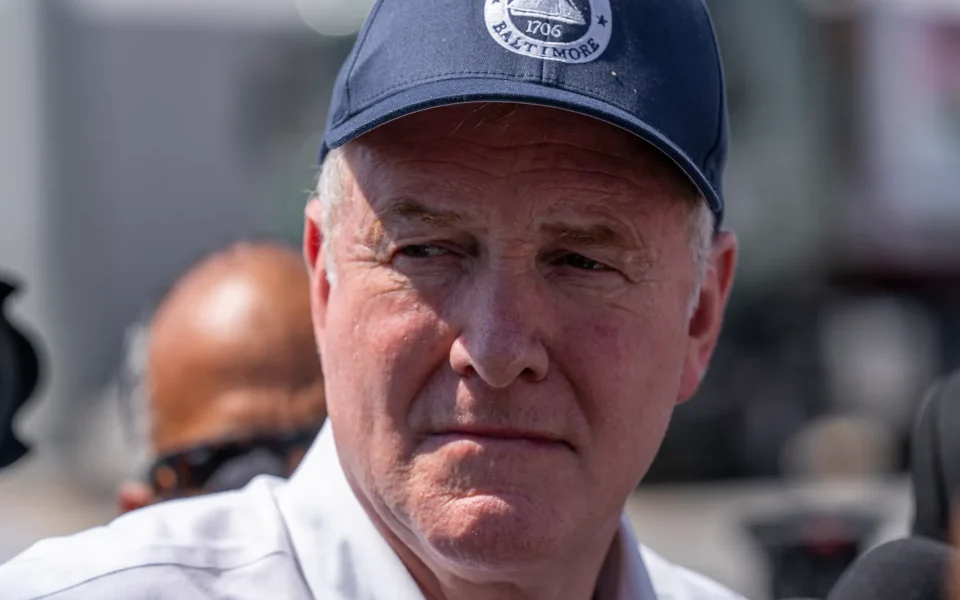
Chris Van Hollen announced on Thursday that he is running for the position of senate majority leader, a move that comes as Democrats prepare to take control of Congress in January following a sweeping victory in the November midterms. In a brief post on X, the Maryland senator said Americans have “called on us to unrig an economy rigged against working people & fueled by political corruption,” and added that new leadership is needed to answer that call.
The announcement was timed with a two‑day gathering of Democratic officials in Denver, Colorado, where party leaders are reviewing strategy after the recent electoral triumph. Van Hollen’s declaration reflects mounting pressure from within the caucus to reconsider the tenure of Senate Minority Leader Chuck Schumer, who has faced criticism for his handling of the party during the Trump era.

Support for Van Hollen’s bid appeared early in the day when Senator‑elect Abdul El‑Sayed of Michigan posted his endorsement on the same platform. El‑Sayed praised Van Hollen’s “courage and experience,” stating that the party “needs both right now” and that he is proud to stand with the Maryland senator in his quest to become senate majority leader. The endorsement signals a growing alignment among newer Democratic figures who see Van Hollen as a bridge between established leadership and emerging progressive voices.
Commentators at the Denver conference highlighted a broader desire for change. Washington‑based political strategist James Butler noted that Senator Schumer has served nearly half a century in elected office and that it may be time for veteran Democrats to “make space for younger, more energetic members.” While Butler expressed respect for Schumer’s long service, he suggested the party’s future could benefit from fresh perspectives, a sentiment echoed by several progressive attendees.
Van Hollen’s record on foreign policy may also influence the leadership contest. Known for taking a critical stance toward U.S. relations with certain Middle Eastern allies, the senator has previously described Israeli Prime Minister Benjamin Netanyahu as a “chronic liar.” He has warned that the ongoing U.S., Israel war on Iran could undermine the safety of America and its partners, and he has pushed for legislation that would require the Trump administration to report on the killing of nine Americans in the occupied West Bank and on the treatment of Palestinian children in military detention.
His recent legislative actions reinforce a pattern of confronting established defense priorities. This week Van Hollen joined ten other senators in urging congressional leaders to strip provisions from the annual defence policy bill that would expand weapons development and intelligence sharing with Israel. The group argued that such measures could deepen U.S. involvement in regional conflicts without clear strategic benefit, reflecting a broader debate within the Democratic caucus about the direction of foreign aid and military assistance.
Within the Senate, Van Hollen’s candidacy may reshape alliances. As a son of a U.S. diplomat, he brings a blend of international experience and domestic legislative expertise that could appeal to both centrist and progressive members. His willingness to challenge the status quo on defense spending and Middle Eastern policy sets him apart from traditional party leaders, potentially attracting senators who seek a more assertive stance on human rights and fiscal accountability.
The race for senate majority leader is expected to intensify over the coming weeks. While Schumer remains a formidable incumbent with deep institutional knowledge and a network of senior committee chairs, the recent electoral wave has emboldened newer voices to demand a shift in leadership style. Analysts suggest that the outcome will hinge on how candidates balance calls for reform with the practical demands of steering a Senate that now holds a Democratic majority.
Political observers note that the timing of Van Hollen’s announcement could be strategic. By entering the contest before the new Congress convenes, he positions himself to influence committee assignments and agenda‑setting discussions that will shape the legislative calendar for the next two years. If successful, his leadership could see a heightened focus on economic equity, transparency in foreign policy, and a recalibration of defense priorities.
Democratic voters and activists are watching the development closely. Many grassroots organizations that helped fuel the midterm victories are now urging the party to translate electoral gains into substantive policy shifts. The push for a new senate majority leader aligns with broader calls for “unrigging” the economy and addressing political corruption, themes that Van Hollen highlighted in his initial statement.
As the Denver conference concludes, party officials are expected to convene informal meetings to gauge support for the various leadership contenders. A formal vote on the senate majority leader position will likely take place in early January, when the new Congress assembles. Van Hollen’s campaign will need to secure enough backing from both senior and junior senators to overcome Schumer’s entrenched influence, making the next few weeks critical for shaping the power dynamics in Washington.













Join the conversation