
Namibian Afro‑beat Star Nally Dies in Tragic Nally Road Crash
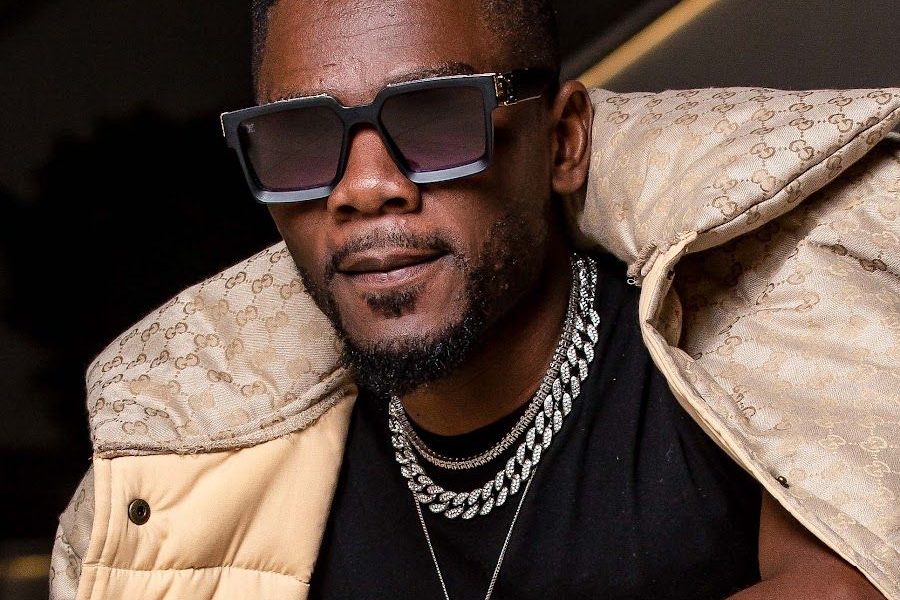
The music community of Namibia is grieving after the sudden loss of Nally Simson, better known simply as Nally, in a devastating nally road crash on Sunday morning. The 33‑year‑old Afro‑beat vocalist was among seven victims killed when a bakkie and an SUV collided head‑on at the notorious Elim Curve on the Okahao‑Oshakati main road. The accident occurred at roughly 4 a.m. on November 1, 2026, and left every passenger in both vehicles dead at the scene.
Omusati Regional Police Commander, Commissioner Ismael Basson, told reporters that six occupants of the bakkie and the driver of the SUV perished instantly. He confirmed that the crash was severe enough to prevent any chance of rescue, and that a formal investigation is now under way. While details about the cause have not been released, the police report cited by The Namibian noted the force of the impact as a key factor in the total loss of life.
Nally’s brother, Benjamin Simson, confirmed the tragic news and asked the public to give the family space as they process their grief. In a brief statement, Benjamin expressed shock and sorrow, urging fans and media alike to respect the family’s privacy during this painful period. No comment was forthcoming from the artist’s management or his record label, and plans for any immediate public memorial remain undecided.
The outpouring of tributes on social media has been swift and heartfelt. Fellow musicians, producers, and creative peers have taken to platforms such as Instagram and Twitter to share memories of Nally’s vibrant stage presence and his role in shaping Namibia’s Afro‑beat landscape. A post shared by Lindaikejiblog highlighted the collective sorrow, describing the loss as that of a “talented voice” whose music resonated far beyond the local scene. Fans have flooded comment sections with messages recalling favorite songs, energetic concerts, and the artist’s willingness to mentor younger talent.
Nally’s rise to fame began in the early 2020s, when he started blending traditional Namibian rhythms with the pulsating beats of contemporary Afro‑beat. His willingness to experiment with indigenous instruments while adopting modern production techniques earned him airplay on national radio stations and a growing online following. Streaming platforms recorded millions of listens, and his tracks became staple sounds in nightclubs across the region. Industry insiders had spoken of his potential to break into larger African markets, noting that his sound could appeal to audiences from South Africa to Ghana. That trajectory, however, was abruptly halted by his untimely death.
The tragedy of the nally road crash also shines a spotlight on longstanding concerns about road safety on Namibia’s main highways. The Okahao‑Oshakati corridor, a critical link for commerce and travel, has witnessed a number of serious collisions over the years, particularly at high‑risk points such as Elim Curve where visibility can be limited and traffic volume is high during early morning hours. Transport officials have repeatedly called for stricter enforcement of speed limits, better signage, and routine vehicle inspections to curb the frequency of head‑on crashes. Although no immediate policy changes have been announced in response to this particular incident, the loss of a high‑profile figure like Nally may galvanise public pressure for more robust safety measures.
Road safety advocates in Namibia often point to the need for increased driver education, especially regarding night‑time driving on rural stretches where road markings may fade and wildlife crossings are common. They also stress the importance of emergency response readiness; in this case, the rapid arrival of first responders was unable to alter the fatal outcome, underscoring how severe collisions can overwhelm even well‑equipped services. The crash therefore serves as a grim reminder of the broader systemic challenges that persist on the nation’s transport network.
As the police continue their investigation, officials have appealed to anyone who might have witnessed the crash or possess information about the vehicles involved to come forward. Such testimonies could prove crucial in determining whether factors such as speed, driver fatigue, or mechanical failure contributed to the collision. Meanwhile, the Simson family, while mourning, has not dismissed the possibility of organizing a public tribute concert or memorial event to celebrate Nally’s artistic legacy. Such an event could provide a focal point for fans to gather, share memories, and perhaps channel their sorrow into a collective call for safer roads.
In the days ahead, Namibian media outlets are expected to provide further updates as details emerge from the ongoing inquiry. The music industry, still reeling from the loss, is likely to honor Nally through posthumous releases, tribute performances, and collaborative projects that keep his spirit alive. For many who grew up with his songs, the nally road crash represents not only a personal tragedy but also a cultural loss that will be felt across the Afro‑beat scene for years to come.
The nation now waits, with heavy hearts, for official findings and for any steps that might prevent similar accidents in the future, while also preparing to commemorate a young artist whose voice was silenced far too soon.















Join the conversation