
Canada bans Russian hockey players from World Junior Championship
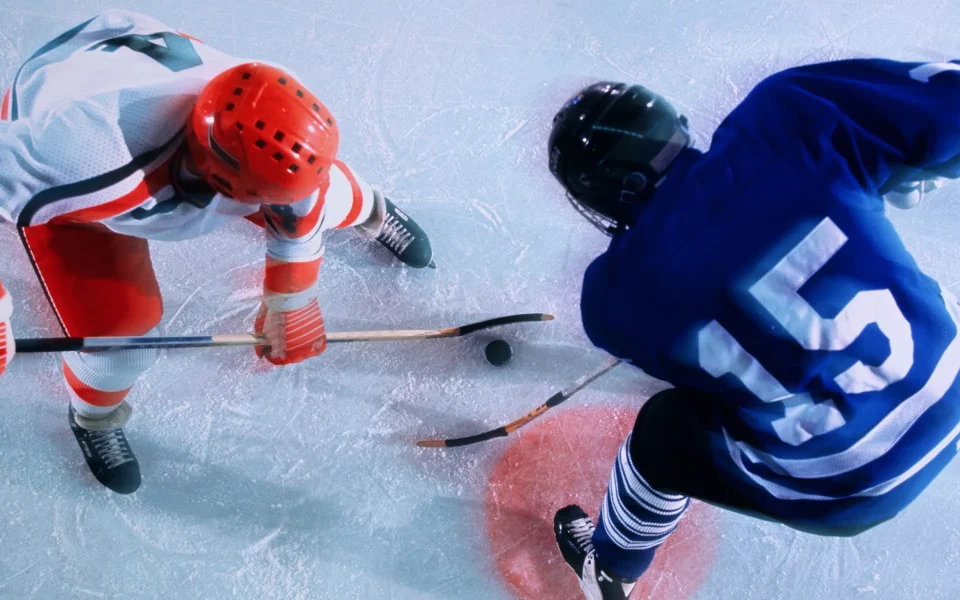
Russian hockey players
Canada will block Russian hockey players and officials from entering the country for the upcoming World Junior Championship, a move announced by Secretary of State for Sport Adam van Koeverden as the tournament prepares to start in Alberta. The decision comes weeks before the competition, which runs from December 26 to January 5, and applies regardless of any existing visas held by the athletes or staff. Van Koeverden said Ottawa will assess each case individually but the policy will effectively prevent participation as long as Russia’s war in Ukraine continues.

Van Koeverden told reporters on Wednesday that Canada opposes “Russian and Belarusian participation in international sport as long as Russia continues its war of aggression against Ukraine with Belarus’s complicity.” He added that the immigration minister will enforce the ban, noting that “Canada’s position is unequivocal: as long as Russia continues its war of aggression against Ukraine, there can be no return to business as usual.” The statement show a broader governmental stance that aligns with Prime Minister Mark Carney’s earlier remarks that Russian athletes would not be allowed to compete on Canadian soil.
The ban targets not only players but also officials from both Russia and Belarus, irrespective of their visa status. Van Koeverden explained that the immigration portfolio will “take measures to individually assess and prevent Russian and Belarusian athletes and officials from entering Canada to compete, regardless of whether they already hold valid visas.” Hockey Canada has reiterated its support for the government’s position, echoing the sentiment that neutral participation will be limited to individual athletes, not whole teams.
The decision follows a recent Court of Arbitration for Sport (CAS) order that required the International Ice Hockey Federation (IIHF) to admit Russian teams to five upcoming championships, starting with the World Junior event. The IIHF, which has excluded Russia from most international competitions since Moscow’s 2022 invasion of Ukraine, expressed disagreement with the CAS ruling. Meanwhile, several European nations have announced they will not face Russia in future tournaments, with Norway, Denmark, Sweden and the Czech Republic refusing to play Russian teams at next year’s men’s World Championships in Germany. Latvia and Finland have made similar statements, and the Finnish city of Turku warned it might withdraw from hosting duties for the 2028 World Junior Championship if Russia were allowed to compete.
Belarus’s team has already been excluded from the World Junior Championship after a separate IIHF decision, reinforcing the broader trend of isolating the two countries from the sport. The move by Canada adds to the growing list of restrictions that aim to pressure Moscow and Minsk by limiting their visibility on the international sporting stage. While some observers had hoped that neutral athletes could still take part under a different flag, Van Koeverden clarified that Canada will not permit a Russian team to enter, even if its players were to compete as neutrals.
The policy has practical implications for the tournament’s logistics. Organisers in Alberta must now verify the travel documents of all participating athletes and staff, ensuring that any Russian or Belarusian individuals are denied entry at the border. This added layer of scrutiny could affect team preparations and scheduling, though officials say the enforcement will be swift and in line with existing immigration procedures. The ban also sends a clear message to other nations about Canada’s stance on the conflict, potentially influencing future decisions by the IIHF and other governing bodies.
International reaction has been mixed. Some officials from the IIHF argue that sport should remain separate from politics, emphasizing the need for inclusivity and competition. Others, however, support Canada’s approach, viewing the restriction as a legitimate response to aggression and a way to stand with Ukraine. The ongoing debate reflects a wider conversation about the role of sport in geopolitical disputes, a topic that has resurfaced repeatedly since the outset of the war.
As the World Junior Championship approaches, the focus now shifts to how the remaining teams will adapt to the absence of Russian and Belarusian competitors. Fans and players alike anticipate a tournament that proceeds without the traditionally strong Russian squad, while the broader sporting community watches to see whether similar bans will be adopted by other host nations. The next steps involve finalizing travel arrangements for the confirmed participants and ensuring that the tournament proceeds smoothly despite the heightened security and diplomatic considerations.
The Canadian government has indicated that the ban will remain in place for the duration of the championship, with any future changes contingent on developments in the Ukraine conflict. Officials say they will continue to monitor the situation and assess whether further measures are needed to align Canada’s sport policy with its foreign policy objectives.







Join the conversation