
At least Five Dead in Krakow Shooting Near Main Market Square
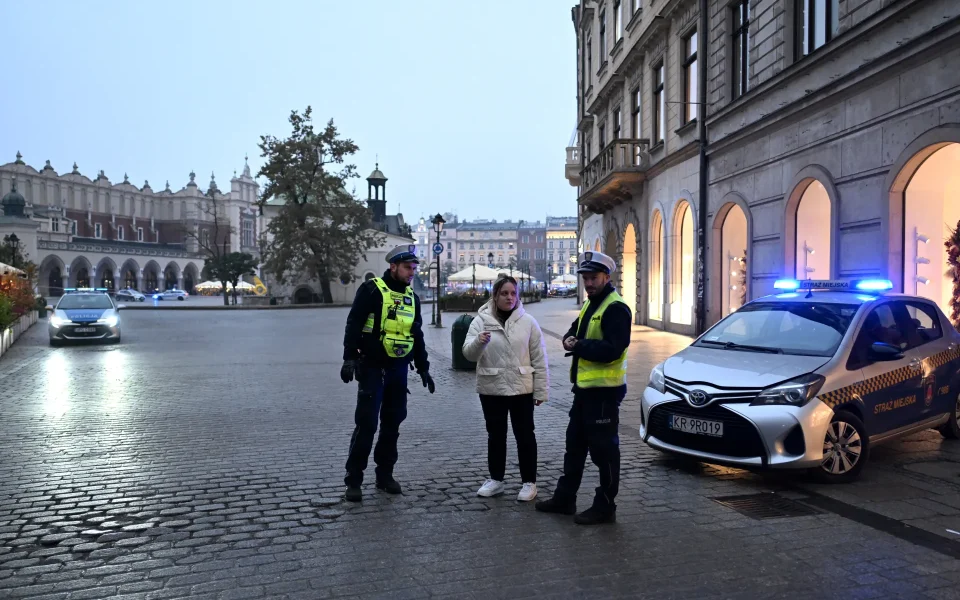
The tragic krakow shooting left five victims dead and wounded a further dozen people as the gunman opened fire from a moving vehicle in the city’s historic Main Market Square on Saturday. Police confirmed that the attacker was neutralised by officers before he could flee, and he was subsequently taken to a hospital for treatment. The identities of those killed and the condition of the wounded have not been released, and the motive behind the attack remains under investigation.
According to a Krakow police spokesperson, the gunman fired indiscriminately from the open windows of a car that was travelling through the pedestrian zone that surrounds the square. The vehicle roamed past cafés, souvenir stalls and the iconic Cloth Hall, creating an atmosphere of panic among tourists and locals alike. Police units that were already stationed nearby responded within minutes, confronting the shooter and engaging in a brief exchange of fire. Officers were among those injured, underscoring the danger they faced while trying to protect civilians.

The Prime Minister, Donald Tusk, used his X account to describe the episode as a “tragic shooting” and noted that he was being briefed by the Minister of the Interior on the unfolding investigation. He stressed that the interior ministry was closely monitoring the situation and that a full inquiry would examine “the background and all the circumstances of the attack.” While officials have not ruled out links to organised crime, terrorism or a personal grievance, they have stressed that the investigation is in its early stages.
Witnesses in the square reported hearing a rapid succession of gunshots as the car sped past the crowded promenade. By the time police arrived, the scene was already littered with injured civilians, some of whom were receiving emergency care on the cobblestones. The municipal government of Krakow posted a brief notice on X confirming the casualties but offered no further specifics at the time, leaving residents and visitors to piece together the events from fragmented reports.
The rapid neutralisation of the shooter likely prevented a higher death toll, though exact numbers of the injured remain uncertain, with estimates hovering around a dozen. Emergency services worked quickly to transport the wounded to nearby hospitals, and grief counsellors were dispatched to support those affected by the trauma. Families of the victims are being contacted, and authorities have promised assistance to those who have lost loved ones.
Krakow, situated roughly 250 kilometres (155 miles) south of Warsaw, is Poland’s second‑largest city and a major cultural and economic hub. Its Main Market Square, known locally as Rynek Główny, is one of Europe’s largest medieval squares and a focal point for public gatherings, markets and festivals. The square’s popularity means it draws large crowds, especially on weekends, making it a symbolic backdrop for the attack. The choice of such a prominent location has amplified the shock felt across the nation and prompted calls for heightened security in similar public venues.
In the wake of the shooting, local authorities have pledged to review surveillance footage, police patrol patterns and the overall security framework for crowded urban spaces. The use of a vehicle as a platform for the attack raises questions about how to safeguard open, pedestrian‑only zones without turning them into fortified zones that would alter their historic character. While Krakow’s police force has a long‑standing presence in the city centre, the incident may lead to a reassessment of response protocols for mobile threats.
The krakow shooting follows a series of violent episodes that have shaken Poland in recent weeks, including a separate school attack that left three students injured earlier in the week. Although these incidents appear isolated, officials have warned that they show the need for vigilance. The government has urged citizens to report any suspicious activity and to cooperate with law‑enforcement agencies, reinforcing the message that community involvement is essential to preventing future tragedies.
As the investigation proceeds, police have not released the suspect’s name or background, pending formal questioning and forensic analysis. The hospital that received the shooter has not disclosed his condition, citing patient confidentiality. Forensic teams are expected to conduct a thorough review of the crime scene, including ballistics testing and analysis of any recovered weapons or ammunition. Witnesses who were present in the square at the time are also being interviewed to reconstruct the sequence of events.
National security agencies have been alerted, and authorities indicated that they will assess whether the attack fits any broader pattern of extremist activity. Coordination between local police, the interior ministry and intelligence services is expected to continue throughout the investigation. Until the inquiry concludes, Krakow’s streets remain under heightened police observation, and the city’s administration continues to urge calm while it processes the aftermath of the krakow shooting.
The next steps will involve detailed forensic work, continued medical care for the injured, and support for the families of the victims. Community leaders have called for solidarity, and the city’s cultural institutions are preparing memorials to honour those who lost their lives. As more information becomes available, authorities promise to keep the public informed about the progress of the investigation and any measures taken to enhance safety in public spaces.




Join the conversation