
Warner says Cricket Australia’s handling of ball tampering scandal was a cover‑up
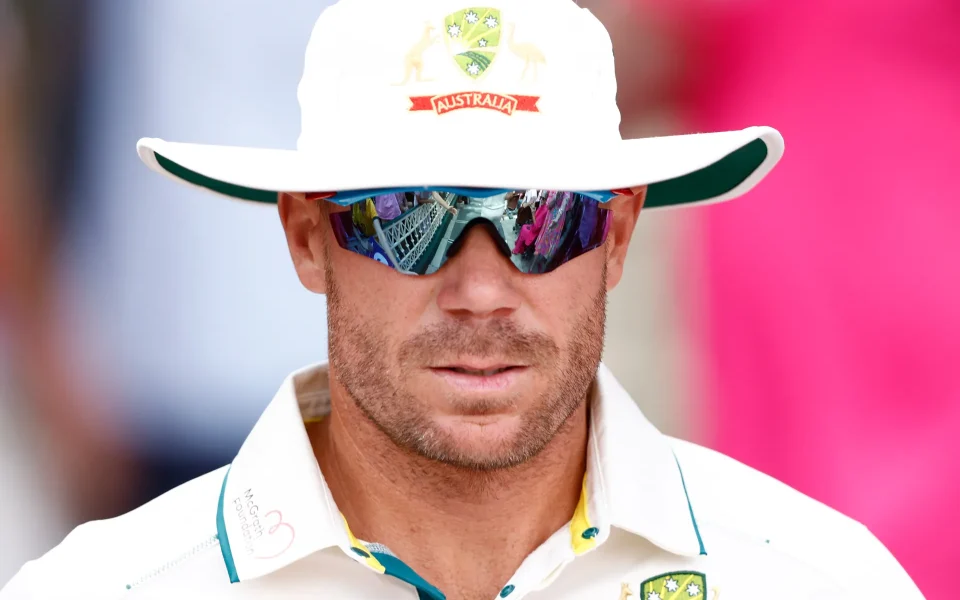
David Warner renewed accusations that Cricket Australia (CA) staged a cover‑up in the ball tampering scandal during a fiery Instagram post on Saturday. The former opener, who served a twelve‑month ban for his role in the 2018 “Sandpapergate” episode in Cape Town, claimed the governing body failed to interview key bowlers such as Josh Hazlewood, Mitchell Starc and Nathan Lyon. Warner’s remarks have revived a dispute that has lingered since the third Test of that series, a match that saw the Australian team expelled from South Africa in disgrace.
Warner’s Instagram statement accused CA of conducting a “shoddy investigation” and suggested the organisation had predetermined who to blame. “As far as I am aware, CA did not interview Josh Hazlewood, Mitchell Starc or Nathan Lyon in their 2018 investigation,” he wrote, adding that the omission undermined any claim that the bowlers were unaware of the plot. He went on to allege that CA “decided who they wanted to blame from the very beginning, ran a shoddy investigation to serve the purpose, and now they want to maintain the false narrative that the bowlers had no idea.” Warner concluded that this “stinks of a cover‑up.”

The controversy resurfaced after teammate Usman Khawaja released an autobiography earlier this week, in which he alleged that the entire Australian squad knew about the plan to rough up the ball with sandpaper. The book’s claims contradicted the findings of a Cricket Australia probe that had previously identified only then‑captain Steve Smith, vice‑captain Warner and Cameron Bancroft as participants. That investigation resulted in the three being sent home from South Africa and handed bans ranging from twelve months for Warner to a year‑long suspension for Smith.
In response to Khawaja’s assertions, current Test captain Pat Cummins held a press conference on Friday, describing the autobiography’s allegations as “100 percent wrong.” Cummins accused Warner of “throwing a close friend under the bus,” implying that the former opener was deflecting blame onto the bowler‑who‑were‑not‑involved. Starc, who also featured in the 2021 joint statement denying any knowledge of the sandpaper scheme, reiterated his position this week, saying, “we weren’t aware of things being taken on the field.” Hazlewood and Lyon have not yet issued public comments on Warner’s latest accusations.
Cricket Australia has reiterated that it will not reopen the original investigation. In a statement released on Saturday, a CA spokesperson said all players had been afforded the opportunity to speak at the time of the initial inquiry and could still provide new evidence even after eight years. “Subsequently, CA has respected every player and former players’ right to provide their own version of events,” the statement read. The body’s stance suggests that, despite renewed media attention, the organization considers the matter settled.
The fallout from the 2018 incident continues to shape Australian cricket’s internal dynamics. The “Sandpapergate” scandal not only led to leadership changes, Steve Smith was stripped of the captaincy and Cummins later appointed, but also sparked a broader conversation about team culture and accountability. For many fans, the lingering distrust stems from perceived inconsistencies in how CA handled the disciplinary process. Warner’s latest remarks have reignited calls for a more transparent review, though the governing body maintains that its investigative procedures were thorough.
Legal experts note that, while CA can re‑examine historical misconduct under its own statutes, doing so after nearly a decade would require compelling new evidence. As of now, no fresh material has been presented beyond the claims in Khawaja’s book and Warner’s public statements. The CA spokesperson’s reference to an eight‑year window for new testimony show the organization’s willingness to consider fresh input, yet the lack of concrete submissions suggests the likelihood of reopening the case remains low.
For the players directly involved, the repercussions have been lasting. Warner, who returned to international cricket after serving his ban, now finds himself again at the center of controversy, this time as a critic of the very body that reinstated him. Starc, Hazlewood and Lyon, all of whom continue to feature prominently in Australia’s fast‑bowling attack, have largely avoided further comment, perhaps to preserve team cohesion. Meanwhile, Cummins, as the current Test skipper, faces the delicate task of managing a squad still haunted by the past scandal while steering Australia toward upcoming series.
The next steps appear to hinge on whether any former player steps forward with substantive new evidence. Cricket Australia has indicated that its doors remain open for such disclosures, but until a credible claim emerges, the organization is likely to uphold its original findings. As the debate unfolds across social media and cricket forums, Warner’s accusations have added another layer to a story that has already spanned more than half a decade, reminding stakeholders that the legacy of the ball tampering scandal is far from resolved.











Join the conversation