
Ivory Coast FMCG market reshapes strategy as Jumia drives rural sales
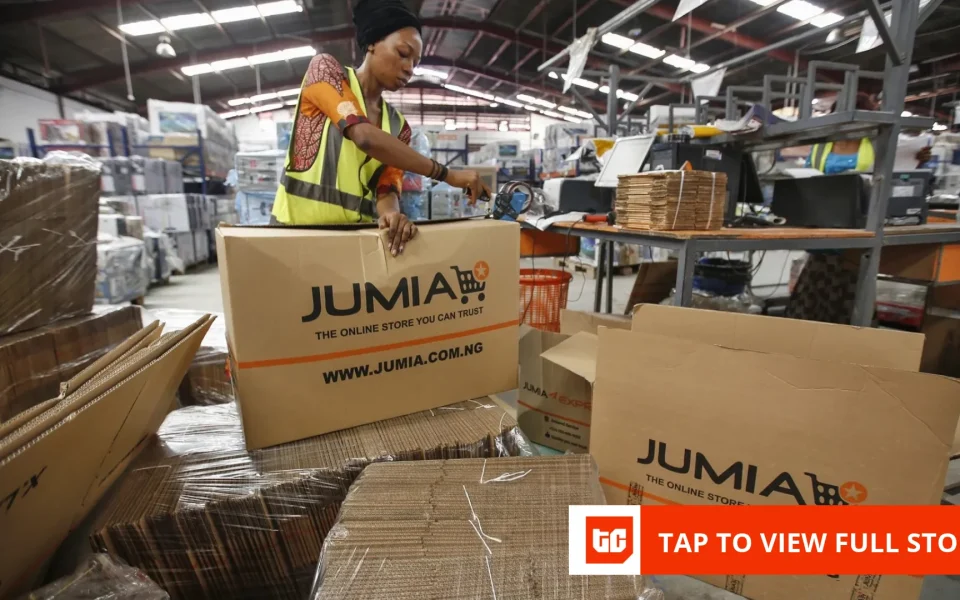
Jumia’s expansion in Côte d’Ivoire is prompting fast‑moving consumer goods (FMCG) companies to rethink how they reach customers beyond Abidjan. The online retailer opened a 5,500 m² warehouse at PK24 in April 2025 and now reports that more than 67 % of orders in 2024 originated from secondary cities such as Bouaké and Yamoussoukro, as well as scattered rural zones. With a network of over 19,000 active JForce agents across the country, Jumia has already executed more than 120 marketing activations in 2024, signalling a decisive shift toward the informal market.
Maverick Research data for the first half of 2026 shows the Ivorian FMCG sector returning to growth, with volumes rising about 3 % and value up 2 % in food, home care and beauty categories. Food items now represent 34.2 % of total FMCG volume, driven by staples like cooking oil, tomato paste, dairy, noodles and condiments that are purchased in small, frequent quantities. The sector remains heavily informal; roughly 85 % of commercial transactions flow through neighborhood shops, street stalls and market tables rather than large‑scale retailers such as Carrefour or Prosuma.
The e‑commerce environment is evolving in tandem. National e‑commerce sales grew 30 % in 2023, and the government has earmarked 32 billion FCFA for a digital commerce strategy targeting 2028. A framework law is slated for finalisation by the end of 2025, while the Tradepost platform seeks to register tens of thousands of informal sellers active on Facebook and TikTok. Digital commerce now contributes about 9 % of Côte d’Ivoire’s GDP, underscoring the importance of online channels for reaching the roughly 47.5 % of the population that lives outside urban centres.
For many FMCG brands, the instinct is to treat Jumia solely as a sales channel. Analysts argue that a more effective approach is to view the platform as a marketing engine that builds brand awareness before a product reaches traditional wholesale distributors. In Côte d’Ivoire, wholesalers only stock items that already enjoy consumer demand; they are unlikely to list unknown brands until retailers request them. Jumia’s Sponsor Brand and Sponsor Point formats place brand logos and targeted banners on the site, creating a digital billboard that embeds brand names in shoppers’ minds even without immediate conversion.
When a campaign moves beyond impressions, Jumia offers the Sponsor Prodax option, which pushes specific SKUs to the top of search results for a cost of 80 to 250 FCFA per click. The higher intent of these clicks improves conversion rates compared with passive banner views. Brands can also slip samples or flyers into Jumia parcels, tailoring distribution by region or basket type. For a nutrition product aiming to enter Bouaké first, a 50 ml sample inserted into a local order is cheaper and more precise than a conventional roadshow.
JForce agents add another layer of reach. In many areas outside Abidjan, these field representatives place orders on behalf of consumers who lack the app or prefer personal assistance. Their presence often represents the sole bridge between a brand and a potential buyer, especially in remote locales where internet penetration is uneven. By partnering with JForce, brands can tap into a network that already commands trust among the informal consumer base.
Consumer behaviour in Côte d’Ivoire reflects a paradox: while shoppers profess a preference for local products, they frequently purchase imports, associating higher price with perceived quality, particularly in Abidjan. The Maverick Research report cautions FMCG firms against raising prices prematurely; instead, they should align packaging sizes and price points with the purchasing power revealed by the improving economy. Premium‑positioned products may succeed if they first secure visibility through Jumia and then expand distribution through established wholesale channels.
Looking ahead, the digital infrastructure continues to mature. The forthcoming e‑commerce law, Tradepost’s formalisation drive, and regional payment interoperability initiatives all aim to streamline online trade. New B2B platforms such as OmniRetail are beginning to enter the Ivorian market, promising a future where brands that have already built digital brand equity on Jumia can quickly transition to formal wholesale listings. The lesson for FMCG players is clear: leverage Jumia to spark awareness in the informal, rural market now, then scale through traditional channels as the ecosystem solidifies.
The next step for companies eyeing the Ivory Coast FMCG segment is to integrate Jumia’s data insights, impressions, clicks, conversion rates and stock‑out alerts, into their product‑planning cycles. Weekly briefings with Jumia’s commercial team can reveal unmet demand and price elasticity across regions, enabling brands to fine‑tune SKU assortments before committing to larger shipments. As the regulatory environment stabilises and digital platforms proliferate, those that have already established a foothold on Jumia are poised to capture the bulk of the market’s growth in the coming years.










Join the conversation