
Tinubu vows 10,000 MW power, sub‑8% inflation and 6% growth by 2031
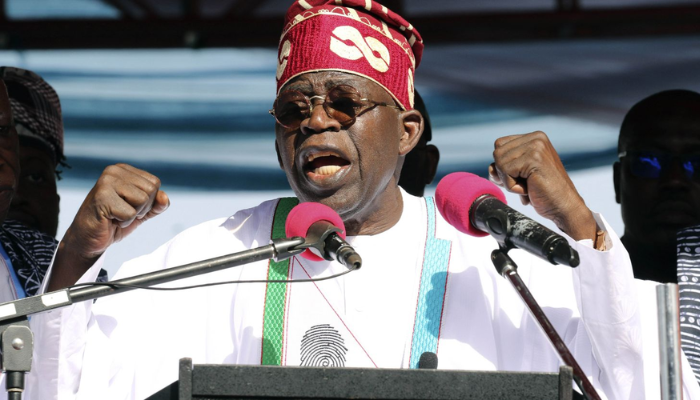
President Bola Ahmed Tinubu will unveil a new All Progressives Congress manifesto in Abuja on Tuesday that promises to raise Nigeria’s available electricity generation to 10,000 megawatts, push inflation below eight percent and achieve six percent annual economic growth by 2031. The 109‑page document, titled “From Reform to Prosperity: Agenda 2027, 203,” sets out the administration’s agenda for a possible second term and recasts the earlier Renewed Hope Agenda into four delivery pillars: security and resilience, affordable quality of life, energy, infrastructure and growth, and accountable governance. The manifesto will be presented to the public as the party’s official platform ahead of the upcoming elections.
The core of the plan focuses on expanding power supply, with Tinubu committing to lift available generation to the 10,000 MW target by 2031. The party says the strategy will extend metering to near‑full coverage, reinforce transmission and distribution networks, and expand clean‑energy access in underserved communities. It builds on the Electricity Act 2023, which gave states greater regulatory authority and opened the door to sub‑national electricity markets. The document argues that a reliable power supply is essential for turning early reforms into tangible benefits such as cheaper food, jobs and improved public services across every state, local government, ward and community.

Inflation is another headline target. The manifesto pledges to keep consumer price growth under eight percent on a sustained basis, a marked improvement from the 14.63 % rate recorded in September 2026. To achieve this, the plan calls for expanding domestic food production, enhancing storage and processing capacity, and halving post‑harvest losses. It also promises faster movement of goods through secured farm‑to‑market corridors, upgraded transport infrastructure and better logistics, all aimed at lowering living costs for ordinary Nigerians.
Economic growth is slated at six percent per annum by 2031. Tinubu’s blueprint includes halving youth unemployment, extending equitable credit to half of all economically active citizens and creating one million export‑linked jobs for young Nigerians by 2030. The manifesto also envisions an industrial hub in each of the country’s six geopolitical zones, with the aim of diversifying the economy and attracting foreign investment. The document cites a series of gains since 2023, including foreign reserves rising to $55.3 billion in September 2026 and a trade surplus of N12.6 trillion in the second quarter of the same year, to illustrate fiscal strength and the capacity to fund the new priorities.
Security and social services feature prominently. The APC pledges to recruit and train 78,000 additional security personnel by 2031, 28,000 military staff and 50,000 police officers, to strengthen protection against terrorism, banditry and kidnapping, and to improve border control. In education, the party promises to halve out‑of‑school children, deploy 20,000 new teachers and expand health insurance coverage from the current 23 million enrolments to 40 percent of the population. Primary healthcare centre functionality is to rise from 53 percent to at least 90 percent, and the Tinubu Mass Social Housing Scheme aims to deliver 200,000 homes for working families, financed through the Mortgage Refinance Company and the Federal Mortgage Bank of Nigeria.
To ensure accountability, the manifesto says every commitment will be linked to a baseline, target, cost, designated owner and reporting date, all to be published on a public delivery tracker. The party plans to roll out public dashboards, independent verification and regular reporting, inviting citizens to monitor progress. The first 100 days of a second Tinubu term would see baselines and owners for headline commitments published, a quarterly cost‑of‑living basket released, the opening of secured farm‑to‑market corridors, a Citizen Service Guarantee launched, and an independent audit of unfinished or underused public assets.
Funding for the new priorities, the document states, will come primarily from recovering public value lost through oil‑revenue leakages, electricity‑billing losses and incomplete projects, rather than through fresh taxes or borrowing. The manifesto also pledges to review multiple taxation affecting small businesses and households, and to reduce the tax burden on the informal sector. Tinubu’s opening message declares, “Our foundations are undeniably firmer. The coming years must focus on tangible improvements: the food on our tables, the power in our homes, the security of our families, and the dignity of meaningful work.”
The APC’s political argument hinges on translating past reforms into visible benefits for Nigerians. By tying each pledge to measurable indicators and public reporting mechanisms, the party hopes to demonstrate that the administration’s early successes, such as the removal of fuel subsidies, unification of the exchange rate and tax reforms, have created fiscal space for broader development. The manifesto’s closing remark invites every Nigerian to hold the government accountable, emphasizing a partnership between the state and its citizens in achieving the outlined goals.
As the manifesto is set to be officially unveiled on Tuesday, the next steps will involve detailed rollout plans, stakeholder consultations and the establishment of the promised public dashboards. Observers will watch closely how the APC translates the ambitious targets into actionable policies and whether the promised metrics can be met within the stipulated timelines.















Join the conversation