
Gulf defence base to be built in Kuwait as GCC seeks tighter military coordination
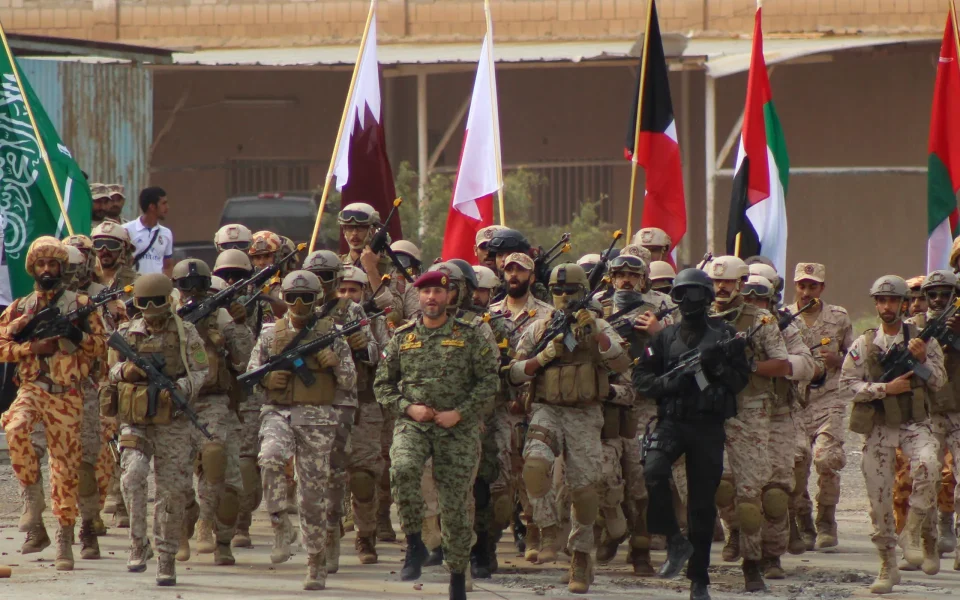
The Gulf Cooperation Council (GCC) announced on Tuesday that it will set up a new advanced headquarters for its Unified Military Command in Kuwait, a move aimed at bolstering defence coordination across the bloc. The decision emerged from the 23rd meeting of the GCC’s Joint Defence Council, attended by defence ministers from Bahrain, Kuwait, Oman, Qatar, Saudi Arabia and the United Arab Emirates. Officials said the forward command post will host “appropriate” military forces, although details on its exact location, troop numbers and the composition of units have not yet been released.
The new Gulf defence base is intended to bring the command structure closer to potential flashpoints in the northern Gulf, experts noted. The Unified Military Command, originally created in 2013 to oversee joint operations, opened its Riyadh headquarters in 2021 and has overseen the long‑standing Peninsula Shield force. By moving a senior command element to Kuwait, the GCC hopes to achieve a more integrated response capability, especially as the region grapples with heightened security challenges.

Muhanad Seloom, a non‑resident fellow at the Middle East Council on Global Affairs, told Al Jazeera that the decision “puts a unified command at the top of the Gulf, in Kuwait in particular. That means they are establishing a … permanent presence there.” He added that Kuwait’s traditionally moderate stance toward Iran, despite having endured attacks, makes the country a strategically balanced host for the headquarters. Seloom also highlighted the threat from Iran‑aligned armed groups operating from Iraq, which have launched drone strikes against Gulf states, underscoring the need for a visible deterrent.
The timing of the Gulf defence base follows the escalation of the US‑Israeli war on Iran, which began on 28 February and prompted a wave of missile and drone attacks on Gulf nations. Those strikes disrupted air traffic and maritime routes, threatening the oil and gas exports that underpin the regional economies. Although US President Trump recently said further military action against Iran was unnecessary, a US naval blockade remains in place and shipping through the Strait of Hormuz has yet to normalize. Seloom stressed that the headquarters should be seen as part of a longer‑term strategy rather than a reaction to an imminent Iranian strike, saying it “is part of a larger GCC strategy to have enough deterrents against Iran.”
The GCC’s statement also condemned recent Houthi attacks on Saudi Arabia, describing them as “a flagrant violation of their sanctity and status among Muslims, and a blatant transgression against the security and sovereignty of the Kingdom.” A Houthi missile strike on Riyadh’s King Khalid International Airport on 10 October killed 14 people and injured more than 300, amplifying concerns about the spill‑over of the Yemen conflict into the broader Gulf region. By establishing the new command centre, the GCC hopes to signal readiness to counter such threats, whether they originate from Iran, its proxies in Iraq, or the Houthis in Yemen.
The move fits within a broader pattern of overlapping defence arrangements across the Gulf. In August, Saudi Arabia, Pakistan and Turkey signed the Makkah Joint Defence Agreement, which obliges the three signatories to treat an armed attack on any of them as an attack on all. Pakistan and Saudi Arabia also renewed a bilateral mutual defence treaty in 2025. While these pacts create external security links, the Gulf defence base offers a separate framework for the six Gulf states to coordinate their own forces directly. Seloom said this “complements these existing and new alliances” and reflects a desire to develop indigenous security structures.
Analysts caution, however, that tighter Gulf military cooperation does not necessarily mean a retreat from the United States, which has long served as the primary security guarantor for the region. Albert Vidal, a Gulf and Middle East analyst at the International Institute for Strategic Studies, told Al Jazeera that the announcement “does not itself suggest a shift away from the US.” He argued that Washington would likely welcome greater GCC information sharing, as it would enhance overall military effectiveness. Seloom echoed this view, noting, “I don’t see it as a response to US failure, but as a wake‑up call for the GCC that they need to take matters into their own hands.”
The establishment of the Gulf defence base also reflects the changing security calculus after the Iran war reshaped regional dynamics. The conflict has exposed vulnerabilities in critical infrastructure, prompting Gulf states to seek more resilient defence postures. By positioning a permanent command in Kuwait, the GCC aims to reassure member nations that they have a coordinated response ready for a range of scenarios, from missile attacks to drone incursions. The decision also sends a strategic message to both Iran and Iraq, indicating that the bloc is prepared to defend its territories and vital energy corridors.
Looking ahead, the GCC will need to finalize the operational details of the Kuwait headquarters, including the allocation of troops and the integration of existing joint forces. Defence ministers are expected to convene later this year to flesh out the command’s mandate and to coordinate training exercises with partner nations. Meanwhile, the United States is likely to monitor the development closely, ensuring that the new structure dovetails with existing US‑GCC security arrangements. The next steps will determine whether the Gulf defence base becomes a cornerstone of regional stability or merely an additional layer in a complex web of alliances.













Join the conversation