
Qatar urges US and Iran to seal peace deal without waiting for perfect moment
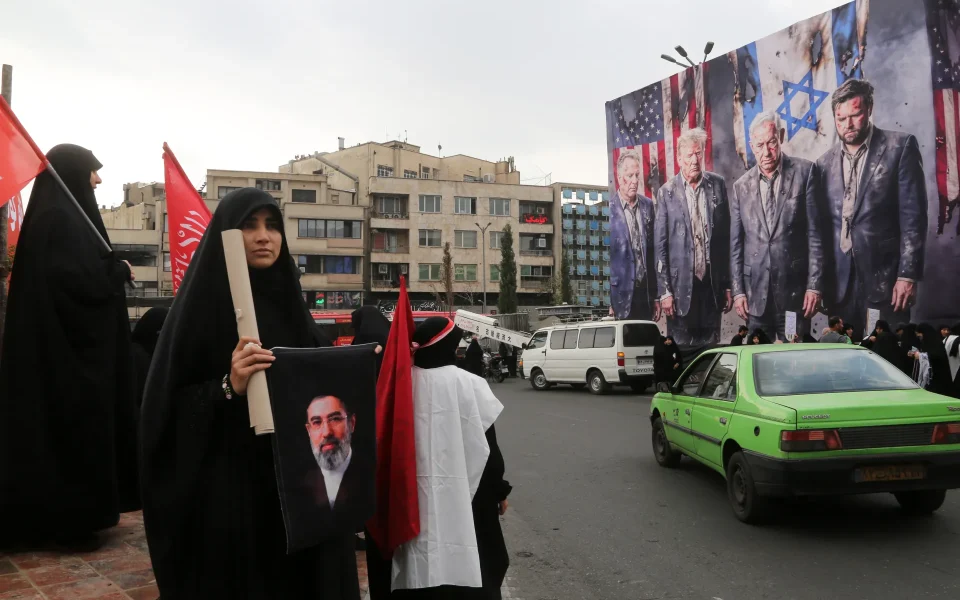
Sheikh Mohammed bin Abdulrahman bin Jassim Al Thani, Qatar’s prime minister and foreign minister, told reporters at Oxford University on Monday that the United States and Iran must move quickly toward a peace settlement, stressing that the window for action is closing. In the same interview he warned that waiting for a “perfect moment” could prolong the war and increase suffering across the region. The remarks come as fresh hostilities were reported on Qeshm Island in the strategic Strait of Hormuz, where Iran’s state news agency IRNA confirmed two missiles struck the island, though semi‑official outlets say no casualties were recorded.
Al Thani’s appeal highlights Qatar’s long‑standing role as a mediator in regional conflicts, a position it has cultivated through back‑channel talks and hosting of diplomatic talks over the past decade. By invoking the urgency of a US‑Iran peace deal, he show the broader economic and security implications for Gulf states that depend on uninterrupted shipping through the Hormuz corridor. The prime minister’s comments were delivered during a televised interview that aired on the university’s news channel, where he emphasized that “the cost of delay is far greater than the cost of compromise.”

The missile strikes on Qeshm Island, reported by Iran’s official news agency IRNA, illustrate the volatility that continues to grip the region. While the Iranian outlets noted that the two missiles caused damage, they also indicated that no injuries were reported. Observers note that such incidents, even when limited in scale, can trigger spikes in oil prices and prompt naval forces from the United States and allied nations to increase their presence in the Gulf. Analysts say the lack of casualties does not diminish the symbolic weight of the attacks, which serve as a reminder of the fragile cease‑fire that has existed intermittently since the conflict escalated last year.
In response to Al Thani’s statements, a spokesperson for the US State Department declined to comment on the specifics of the interview but reiterated that Washington remains committed to diplomatic solutions. The spokesperson added that “the United States continues to engage with regional partners to explore pathways to de‑escalation and a sustainable peace.” Meanwhile, Iran’s foreign ministry issued a brief statement urging “all parties to respect sovereignty and refrain from actions that could further destabilize the region,” without directly addressing the missile incident.
Qatar’s push for a prompt agreement aligns with broader international concerns about the security of the Strait of Hormuz, a narrow waterway that handles roughly a fifth of the world’s petroleum shipments. Any disruption there can ripple through global markets, affecting fuel prices and the cost of goods for ordinary Nigerians and other consumers worldwide. The country’s leadership therefore views a timely peace accord not only as a regional necessity but also as a factor that could stabilize international trade flows.
The prime minister also highlighted past successes in Qatar’s diplomatic interventions, recalling its role in facilitating talks that led to the 2020 cease‑fire between Israel and Hamas. He suggested that the same model of quiet negotiation, supported by neutral venues and patient mediators, could be replicated for the US‑Iran dialogue. By drawing parallels to earlier achievements, Al Thani aimed to convey both confidence and realism, acknowledging that while perfect conditions may be elusive, progress is still possible through sustained effort.
Local reactions in Doha were mixed. Business leaders expressed optimism that a swift settlement would restore investor confidence and protect Qatar’s burgeoning financial sector, which has seen increased inflows since the conflict began. Civil society groups, however, called for a transparent process that includes input from ordinary citizens affected by the war’s economic fallout. A spokesperson for the Qatar Chamber of Commerce noted that “stability is the bedrock of growth,” and urged all parties to consider the broader human cost of prolonged hostilities.
Internationally, the United Nations Secretary‑General’s office continues to issue calls for restraint and dialogue, echoing the sentiment expressed by Qatar’s prime minister. In a recent briefing, the UN envoy emphasized that “the window for a negotiated settlement remains open, but it will close if parties choose inaction over engagement.” The statement reinforced the urgency conveyed by Al Thani, suggesting that global institutions are aligning with regional actors to push for a diplomatic breakthrough.
As the week progresses, diplomatic channels are expected to remain active. Qatar has announced plans to host a discreet round‑table meeting later this month, inviting senior officials from Washington and Tehran to discuss confidence‑building measures. The agenda is said to focus on humanitarian corridors, the release of detainees, and the establishment of a monitoring mechanism for maritime traffic in the Hormuz Strait. Observers note that such gatherings, though low‑profile, often lay the groundwork for more formal negotiations.
For now, the situation on Qeshm Island remains calm, with no further reports of violence after the missile incident. Security forces on the island have increased patrols, and the Iranian navy has signaled readiness to protect its territorial waters. The absence of casualties may reduce immediate humanitarian concerns, but the underlying tension show the fragile nature of the cease‑fire.
The next steps hinge on whether Washington and Tehran can translate Qatar’s urging into concrete diplomatic moves. If the two powers agree to convene a summit within the coming weeks, the momentum generated by Al Thani’s appeal could translate into a formal proposal that addresses both nuclear concerns and regional security. Conversely, continued delays risk entrenching the conflict, potentially prompting further missile strikes or naval confrontations that would impact global oil markets and the daily lives of Nigerians reliant on imported fuel. The world now watches as Qatar’s call for an “us iran peace” deal tests the willingness of the major players to act before the perfect moment passes.












Join the conversation