
Pastor Jimmy Odukoya’s remarriage revives debate on divorce among Nigerian clergy
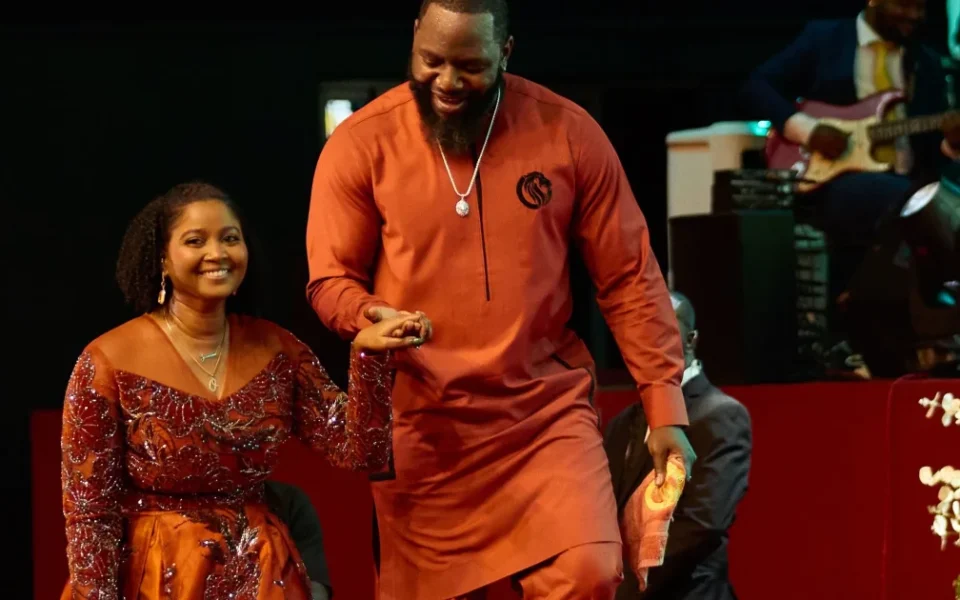
Jimmy Odukoya, senior pastor of The Fountain of Life Church, married again this weekend, sparking fresh controversy over pastor divorce across the country. The ceremony, held in the United States and revealed to congregants on Sunday, marked the public introduction of his new wife, Motunrayo “Mo” Daniel, a creative entrepreneur and daughter of Rev. Theophilus and Bolaji Daniel. Odukoya’s first marriage to Oluwakemi Banjoko, contracted in London in 2013, had collapsed years earlier, though the exact cause remains undisclosed. His remarriage joins a list of high‑profile pastor separations that include Chris Oyakhilome, Chris Okotie, Joshua Iginla and Olumide Emmanuel, all of which ended between 2012 and 2026, according to a recent Punch investigation.
The Odukoya family dynamics quickly became a talking point among church members. An anonymous congregant told reporters that Odukoya’s relationship with Mo had been known for years, noting that Mo was once a close friend of Odukoya’s elder sister, Pastor Toluwani “Tolu” Odukoya‑Ijogun. The source claimed the friendship ended once Tolu learned of the romance, adding that the matter generated “controversy for a long time.” Another member observed mixed reactions at the Sunday presentation: younger worshippers appeared enthusiastic, while several older women expressed disappointment, fearing the marriage might create tension within the Odukoya family and the wider congregation.

Social media reflections mirrored the split sentiment. Comments beneath the wedding video on YouTube ranged from congratulatory remarks to skeptical questioning of the timing and transparency of the pastor’s marital history. A quick scan of Tolu’s Instagram revealed no public acknowledgement of the marriage, though she did post a recent sermon video emphasizing obedience and future reward, which some interpreted as a subtle nod to family perseverance rather than endorsement of the new union.
Beyond the personal drama, Odukoya’s remarriage has revived a broader conversation about the growing number of pastor divorce cases in Nigeria. The Chairman of the Nigerian Bar Association, Ikirun branch, Abdulkareem Azeez, argued that such cases are under‑reported because many parties opt for amicable settlements rather than litigation. He identified sexual incompatibility as a common catalyst for marital breakdown, noting that unresolved emotional gaps often lead couples to part ways.
Religious leaders offered divergent theological perspectives. Rev. Samson Ayokunle, former president of the Christian Association of Nigeria, stressed that while the Bible allows separation under life‑threatening circumstances, it does not sanction remarriage after divorce, citing Matthew 19. He warned that “the law of God does not change” and that remarriage contradicts scriptural teaching. Similarly, a former president of the Nigerian Baptist Convention highlighted religious differences as a factor, especially when one spouse is not a Christian. Evangelist Alaba Akande, founder of the Christ Apostolic Church, pinpointed adultery as the primary biblical ground for divorce, asserting that without proven infidelity, pastors should remain together forever.
Pastor Dayo St. John, a marriage counsellor and founder of Help for the Family Ministry, described pastor divorce as “rebellion against God,” emphasizing that breaking the marital covenant harms not only the couple but also God’s purpose. He labeled Odukoya’s situation “double wahala,” arguing that both divorce and remarriage constitute adultery in the eyes of scripture. Apostle Lawrence Achudume of Victory Life Bible Church International blamed the trend on a shallow understanding of Christianity, suggesting that many pastors are more familiar with outward expressions of faith than with the sacrificial demands of marriage. He urged pastors to be transparent about marital challenges rather than presenting an illusion of perfect Christian homes.
Counsellors also weighed in on the social forces behind the phenomenon. Ibrahim Olalere noted that incompatibility in religious commitment often emerges after marriage, while also criticizing non‑professional bloggers who spread unrealistic expectations on social media. JeNom Makama of FamilyLife Nigeria argued that pastors frequently prioritize “working for God” over “working with God,” leaving their marriages vulnerable to neglect and temptation. Both counsellors highlighted the role of social media in shaping expectations and amplifying pressures on clergy families.
The Odukoya case, therefore, sits at the intersection of personal, theological, and societal factors that are reshaping how Nigerian churches confront marital breakdown. While the new couple’s private ceremony concluded without incident, the public reaction indicates that the issue is far from settled. Church leaders continue to debate the appropriate biblical response, and legal experts suggest that more transparent reporting could help families deal with these challenges.
As the congregation processes the news, The Fountain of Life Church has not issued an official statement on the broader implications of the marriage. Observers anticipate that upcoming sermons and panel discussions within the Nigerian clergy will address the growing prevalence of pastor divorce, potentially leading to new guidelines or support structures for married ministers. The next steps remain to be seen, but the debate sparked by Jimmy Odukoya’s remarriage is likely to influence how faith communities handle marital discord in the years ahead.











Join the conversation