
Blessing CEO controversy sparks call for explanation from Saida Boj
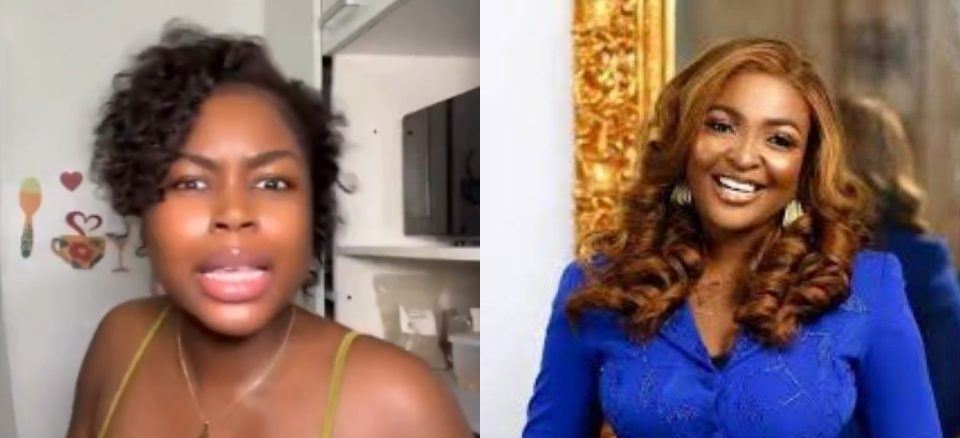
Saida Boj, a well‑known social media personality, has publicly demanded that relationship expert Blessing CEO confront the blessing CEO controversy surrounding her alleged cancer diagnosis. Speaking to her followers on Twitter, Boj said the issue cannot be brushed aside and that the first thing Blessing CEO should do if she is truly remorseful is to clarify the health claim that has dominated online conversations. The remarks came on Tuesday, adding fresh pressure on the relationship coach who has remained largely silent since the rumors first emerged.
In a tweet that quickly gathered attention, Boj wrote, “Blessing CEO, address the cancer issue. Don’t act like you don’t know what you are doing. If you are really sorry, the first thing you’d address when you came out is the cancer issue.” The post was accompanied by a screenshot of the message and immediately sparked a flurry of replies from other users. Many echoed Boj’s demand for transparency, while others offered their own speculation about the credibility of the health claim. The tone of the online debate reflects a broader expectation that public figures, especially those offering relationship advice, maintain openness about personal matters that could influence their professional credibility.

The controversy began when Blessing CEO, who runs a popular relationship coaching brand, allegedly disclosed a cancer diagnosis in a series of private messages that later surfaced online. Although the coach has not issued a formal statement confirming or denying the illness, the rumor has lingered, feeding curiosity and concern among her followers. In the weeks that followed, various social media accounts posted screenshots and alleged excerpts of messages, prompting a mix of sympathy, skepticism, and criticism. The lack of an official response left a vacuum that Boj’s recent call now seeks to fill.
Reaction on the platform has been mixed but largely supportive of Boj’s stance. One user, identified as @Neepha_orji, commented, “The thing is that she’s unrepentant. Everything is a joke to her. For someone who lost her son, she’s very cheery.” Another user, @Joy idoko, expressed disbelief, writing, “E be like blessing don forget say she get cancer sef 🥲.” A third voice, @Divine josiah, shifted the focus to personal relationships, asking, “Omo who’s the boy dating this girl now, he’s giving her some sense.” The thread concluded with @Principal⭐️ emphasizing the need for honesty, stating, “People deserve honesty and accountability, especially when serious health issues are involved. Transparency matters.”
While Boj’s call has amplified the conversation, it also reflects a broader cultural expectation that influencers and experts address personal health matters that could affect their audience’s trust. In Nigeria, where social media platforms serve as primary channels for advice and mentorship, the line between private life and public persona is often blurred. When a relationship coach claims expertise on personal matters, any perceived concealment of her own health challenges can be seen as a breach of the trust placed in her by clients and followers alike.
Experts in media ethics note that the situation show the growing demand for accountability among online personalities. Dr. Chidinma Okafor, a professor of communications at the University of Lagos, explained that “audiences now expect a level of openness that matches the intimacy of the content being shared. When a figure in the relationship space hints at a serious condition without clear verification, the audience feels a right to demand clarification.” The same principle applies to any professional whose brand is built on personal guidance; inconsistencies can erode credibility faster than any negative publicity.
For Blessing CEO, the next step appears to be a public statement that either confirms the health claim or unequivocally denies it. So far, no official communication has been released, and the coach’s silence has allowed speculation to fill the void. Sources close to the brand suggest that a press release may be in preparation, but they declined to confirm details. In the meantime, the social media chatter continues to grow, with users sharing memes, personal anecdotes, and calls for a formal apology if the allegation proves false.
The unfolding debate also raises questions about the role of third‑party influencers like Boj in shaping the narrative. By leveraging her own sizable following, Boj has positioned herself as a watchdog, urging the relationship expert to act responsibly. Such interventions are becoming increasingly common in Nigeria’s digital ecosystem, where public figures often police each other’s conduct in real time. Whether this dynamic will lead to more transparent communication from those under scrutiny remains to be seen.
As the discussion gains momentum, observers are watching for any response from Blessing CEO. The expectation is that a clear, direct answer will either quell the controversy or, if the claim is false, trigger a different set of consequences, possibly including legal action for defamation. Until then, the blessing CEO controversy remains a hot topic on Twitter, with users waiting for the next update that could finally settle the dispute.







Join the conversation