
Palestine coach says team embodies suffering and hope amid Gaza war
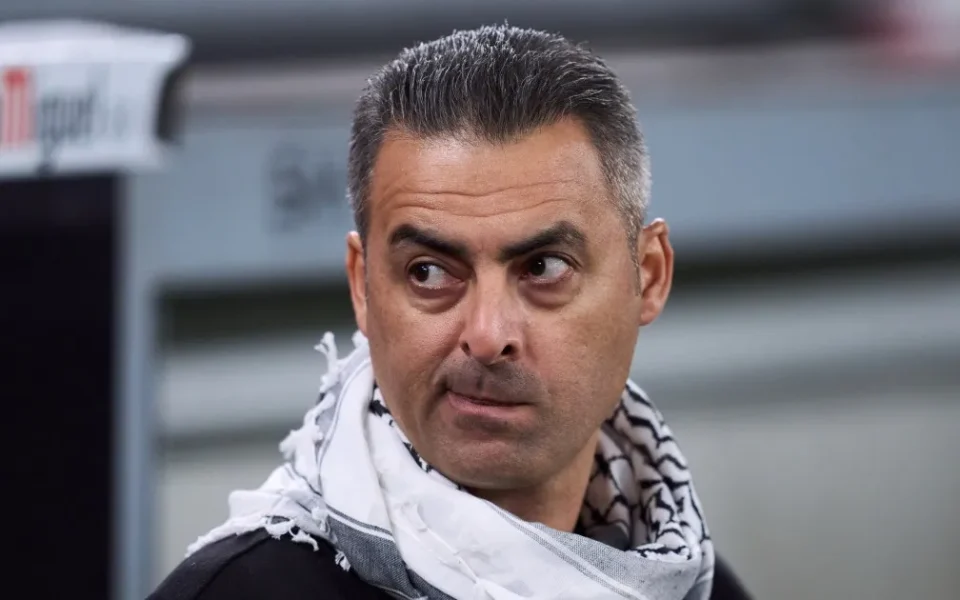
Ihab Abu Jazar, the 46‑year‑old Palestine coach, told Al Jazeera from Doha earlier this month that coaching the national side feels like a “badge of honour” even as the war in Gaza bears down on his personal life. He explained that his family now lives in tents in al‑Mawasi after their home was destroyed, yet the responsibility of leading the team remains a source of pride. His comments arrived as the squad prepared for the Asian Cup qualification campaign, a tournament that has been moved to December 2027 because of the ongoing conflict.
Since taking charge in 2024, Abu Jazar has steered Palestine to secure a place in the 2027 AFC Asian Cup, topping Group A alongside Saudi Arabia, Kuwait and Oman. The team’s recent friendly record, a 2‑2 draw with New Zealand, a 4‑2 victory over Tajikistan and a 5‑0 win against China, has lifted spirits, but each triumph is shadowed by the devastation back home. “For me to coach the Palestinian national team, a team that represents this suffering, and to try to make it a source of joy, bring a smile to people’s faces or give the Palestinian people hope, means a great deal to me personally,” he said.

The coach recounted a harrowing incident that unfolded just before a qualifying match against Kuwait. Israeli forces issued a forced‑evacuation order for the coastal strip where his relatives were sheltering, and his brother Khalil initially refused to leave. “He had reached a point where he was simply saying, ‘Where am I supposed to go? Where can I possibly go?’” Abu Jazar recalled. He tried repeatedly to call his brother, but the lines stayed silent. With no answer and the match looming, he boarded the team bus and forced himself to focus on the game despite the personal crisis.
The match went ahead, and after the final whistle Abu Jazar finally reached his brother, who confirmed that the family had managed to escape safely. “We also had a match to play in the name of Palestine. We had to concentrate and do our job,” the coach said, highlighting the dual pressures of sport and survival. The relief he felt after the game mirrors a broader sentiment among many Palestinians who cling to moments of normalcy amid relentless displacement.
Family ties to sport run deep for Abu Jazar. His mother Huda, a former school‑level volleyball player, regularly offers tactical advice over the phone. “Sometimes we talk about football and sports; she evaluates the players and discusses their performances after a match,” he explained, noting that his mother “understands football very well in general.” This shared passion provides a small yet meaningful anchor for the coach as he balances his professional responsibilities with the plight of his loved ones.
The Palestinian diaspora and many in the occupied territories watch the national team’s progress closely. Football has long served as a unifying force, offering a platform where political realities intersect with cultural expression. In a region where stadiums are often damaged and travel restrictions are common, the very act of assembling a squad and competing internationally carries symbolic weight. For ordinary Palestinians, a goal scored or a victory celebrated on television can momentarily lift the weight of daily hardship.
Abu Jazar’s message to the international community is unequivocal. “We are a people who simply want to live. We are a people with ambitions and hopes, a people with creative minds, thinkers, and scientists,” he declared. He added that sport is an integral part of cultural identity, asserting that Palestinians are “football‑loving people” who deserve the same rights as any other nation. The appeal comes as the Asian Cup draw places Palestine in a competitive group, and the tournament’s schedule remains uncertain due to the ongoing conflict.
Palestine’s recent friendly results have sparked optimism among fans, yet the joy is tempered by the stark reality that more than 900,000 displaced residents now shelter in southern Gaza, many of them in the same al‑Mawasi area where Abu Jazar’s family lives. The national team’s progress offers a symbolic respite, yet the coach stresses that the victories are “bittersweet” given the suffering at home. Observers note that the team’s performances could serve as a rallying point for a population yearning for any positive news amid hardship.
The broader football community has taken note of the challenges faced by the Palestinian side. AFC officials have reiterated their commitment to ensuring the competition proceeds safely, while humanitarian organizations have called for increased aid to the displaced populations. In the past, the federation has helped arrange training camps abroad, a practice that continues to enable the team to prepare despite limited facilities in Gaza. Such support show how sport can act as a conduit for both international attention and practical assistance.
Looking ahead, Abu Jazar will lead his squad through the remaining qualifying fixtures, hoping to secure a spot in the Asian Cup while continuing to draw attention to the humanitarian crisis. He remains committed to using football as a platform to voice the Palestinian call for rights and normalcy. As the qualifying campaign unfolds, the world will watch both the sport and the story of a coach who carries his nation’s hopes on the field, awaiting the next match that could add another chapter to a journey marked by resilience and yearning for peace.















Join the conversation