
Iran’s foreign minister calls Kuwait attack suspicious, hints at possible war route
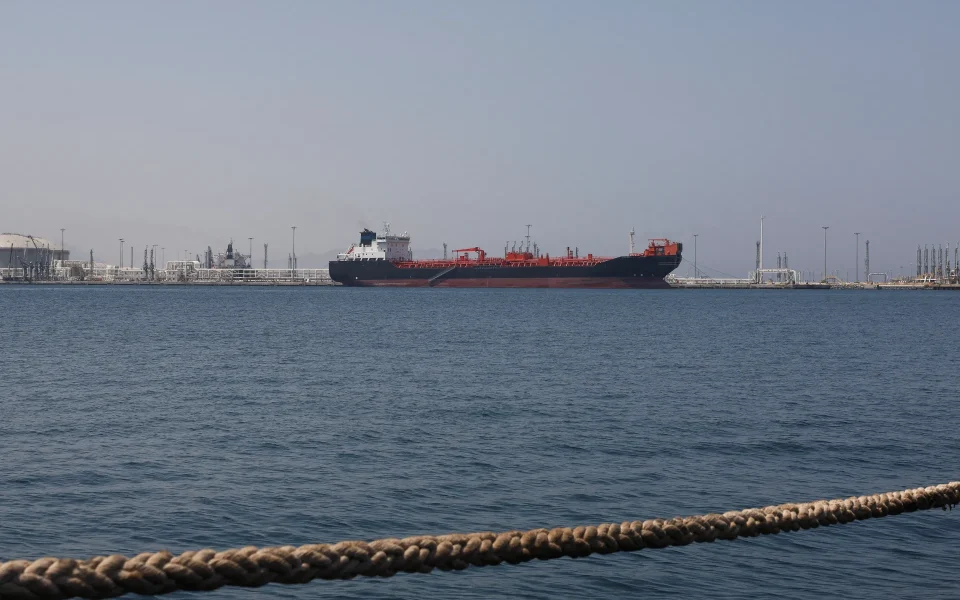
The Iranian foreign minister’s description of the recent kuwait attack as “suspicious” has added a new layer of tension to an already fraught regional situation. Abbas Arakhchi made the remarks on Saturday, 27 November 2026, after Kuwaiti officials confirmed that two Italian technicians were killed when debris fell on them while they tried to intercept what Kuwait described as incoming Iranian drones at a strategic installation. The incident, which has sparked outrage in Italy and concern across the Gulf, is being framed by Tehran as a possible “pre‑cooked recipe for war”, according to Arakhchi’s statements to reporters.
Kuwait’s Ministry of Interior released a brief that said the two Italians, identified only by their nationality, died while working at a “vital site” that had come under drone fire. The drones, which were later described as Iranian, were reportedly shot down by Kuwaiti air defenses, but fragments from the downed aircraft struck the workers on the ground. Kuwait’s authorities have not yet disclosed the exact location of the site, but it is understood to be part of the nation’s critical oil‑related infrastructure. The loss of the Italians has prompted Rome to demand answers, and Kuwait has opened an investigation into the circumstances surrounding the strike.

In the same briefing, Arakhchi said the attack “looks like a pre‑cooked recipe for war”. He urged the international community to view the incident with caution, insisting that Iran was not preparing for an aggressive campaign in the Gulf. “We consider the kuwait attack suspicious and we are ready to cooperate with any investigation,” he told journalists, adding that Tehran remains committed to preventing further loss of life in the region. His comments came as the United States, under President Donald Trump, announced that Washington believes it has “victory at hand” in its broader conflict with Iran and is extending an offer for Tehran to negotiate a settlement that could avert additional bloodshed.
President Trump’s remarks, delivered in a televised address on the same day, highlighted the United States’ confidence in its military campaign against Iran. He claimed that the recent series of strikes against Iranian assets had pushed the adversary to the brink of collapse, but he also signaled a willingness to open diplomatic channels if Tehran would agree to terms that would end the hostilities. The timing of Trump’s statement, juxtaposed with Arakhchi’s cautionary tone, show the delicate balance of power that defines the Gulf’s current geopolitical climate.
Analysts note that the incident in Kuwait is part of a pattern of escalating drone usage by Iran across the region. Since the start of the conflict earlier this year, Iranian drones have been reported over Iraq, Saudi Arabia, and now Kuwait, prompting neighboring states to bolster their air‑defence capabilities. The technology, while relatively inexpensive compared to missile systems, can cause significant damage when used against civilian infrastructure or personnel. In this case, the debris that killed the two Italians illustrates how even a successful interception can have tragic consequences on the ground.
The Italian government, through its foreign ministry, has lodged a formal protest with Tehran, demanding a thorough investigation and accountability for the deaths of its citizens. Italian officials have called the incident “unacceptable” and have urged the United Nations to monitor the situation closely. Italy, a NATO member, has historically maintained a cooperative stance with both the United States and Gulf states, making its reaction a potentially influential factor in any multilateral response.
Kuwait’s leadership, meanwhile, has pledged to pursue a transparent inquiry. Emir Nawaf Al‑Ahmad Al‑Jaber convened a high‑level security meeting shortly after the attack, bringing together senior military commanders and foreign policy advisers. The Emir emphasized the kingdom’s commitment to safeguarding its sovereign territory while also avoiding an escalation that could draw the country into a larger conflagration. He reiterated Kuwait’s policy of diplomatic engagement, stating that the nation would work with regional partners and the international community to prevent further incidents.
The broader regional context cannot be ignored. Over the past several months, sanctions imposed by the United States and its allies have tightened pressure on Iran’s economy, especially targeting its oil exports and banking sector. In response, Tehran has increased its reliance on asymmetric warfare tactics, including the deployment of unmanned aerial vehicles to challenge the naval and air superiority of its adversaries. The recent Kuwait attack, therefore, fits within a strategic calculus aimed at signaling resolve without provoking a full‑scale retaliation that could further cripple Iran’s already strained resources.
Humanitarian concerns have also emerged. Local residents near the site where the Italians were killed reported hearing loud explosions and seeing smoke rise from the area. Some described a sense of fear that has lingered throughout the week, as families fear that additional drone incursions could threaten their safety. NGOs operating in Kuwait have called for increased protective measures for civilian workers involved in critical infrastructure projects, noting that the line between military targets and civilian sites can blur quickly in modern conflicts.
In Washington, the administration’s narrative of “victory at hand” reflects a broader strategy to pressure Iran into negotiations before the conflict spirals further. Secretary of Defense Lloyd Austin, speaking to the press corps, said that the United States remains prepared to continue its campaign, but also emphasized that diplomatic solutions are preferred to avoid additional casualties. The administration has signaled that any forthcoming talks with Tehran would likely involve discussions about Iran’s missile program, its support for proxy groups across the Middle East, and the lifting of certain sanctions in exchange for verifiable compliance.
Iran’s readiness to cooperate, as expressed by Arakhchi, suggests that Tehran may be willing to engage in a limited dialogue, possibly mediated by a neutral party such as the United Nations. However, the foreign minister’s characterization of the Kuwait incident as “suspicious” also hints at an intent to cast doubt on any accusations that Tehran is directly responsible for the drone strike. By framing the event as a possible false‑flag operation or a misattribution, Iran seeks to maintain a degree of plausible deniability while still asserting its right to defend its interests.
The next steps are likely to involve a combination of diplomatic outreach and continued military vigilance. Kuwait is expected to release preliminary findings from its investigation within the next few days, while Italy may seek to bring the case before an international tribunal. The United States, having signaled its willingness to negotiate, may issue a formal proposal to Tehran that includes a cease‑fire clause contingent on the cessation of drone attacks. Observers will be watching closely to see whether Arakhchi’s invitation for cooperation translates into concrete talks or remains a rhetorical gesture.
As the situation unfolds, the phrase “kuwait attack” will remain a focal point for media coverage and policy debates. The incident has already prompted a reassessment of security protocols at critical sites throughout the Gulf, and it may influence the pace at which regional powers pursue diplomatic channels. For now, families of the two Italians mourn their loss, and governments on all sides grapple with the challenge of balancing deterrence, dialogue, and the urgent need to protect civilian lives in a volatile theatre.









Join the conversation