
Kuwait intercepts hostile drone attacks as Bahrain lifts alert
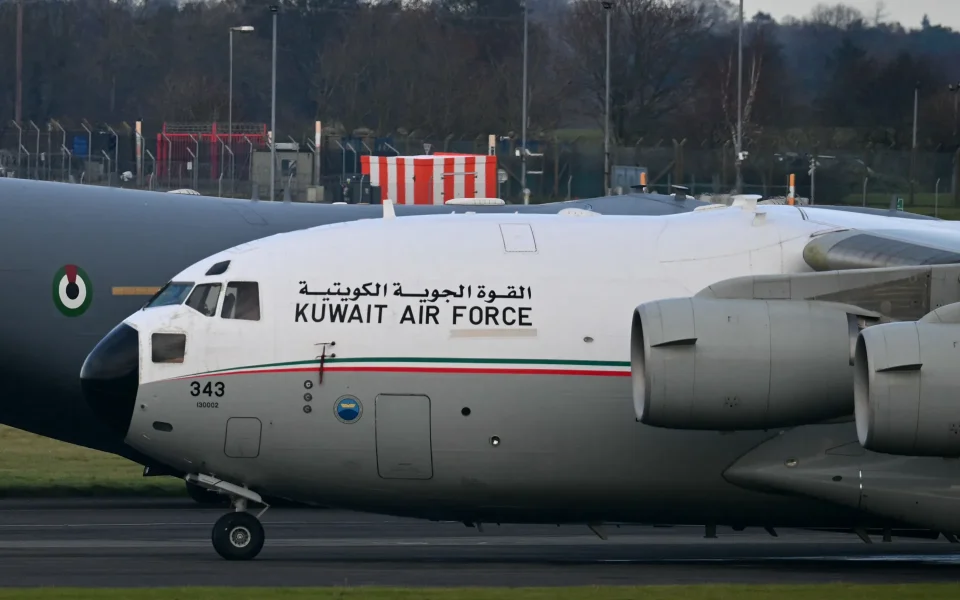
Kuwait’s air defence units reported intercepting hostile drone attacks on Thursday, 18 November 2026, after hearing explosions across the country. The Gulf state did not identify the source of the unmanned aircraft, but officials confirmed that the sound of blasts was linked to the defensive systems engaging the aerial threats. Simultaneously, Bahrain announced an all‑clear alert, stating that a potential danger to its territory had passed. The two announcements came within hours of each other, underscoring the heightened vigilance that characterises security operations across the Arabian Gulf.
Kuwait’s military spokesperson said the country’s radar and missile installations were actively countering the drones, which were described as “hostile” in official statements. While the exact number of aircraft involved was not disclosed, the presence of audible explosions indicated that interceptors had been launched. The authorities stressed that the interceptions were successful and that no damage to civilian infrastructure had been reported. No casualties were confirmed, and the government has not attributed the attacks to any specific actor, leaving speculation open among regional analysts.

Bahrain’s civil defence agency issued a separate bulletin later in the day, declaring that the earlier “potential threat” had been neutralised and that citizens could resume normal activities. The all‑clear notice emphasized that the situation was under control and that there was no ongoing danger to the island nation. The brief alert had prompted heightened security measures at airports and seaports, but those measures were lifted after the agency’s assessment confirmed the threat had subsided.
The incidents come at a time when the Gulf region has seen an uptick in the use of drones for both surveillance and offensive purposes. Over the past few years, several Gulf Cooperation Council (GCC) members have invested heavily in air‑defence systems capable of detecting and destroying small, low‑observable aircraft. Kuwait, in particular, has upgraded its radar network and procured surface‑to‑air missiles designed to engage fast‑moving targets at short range. These capabilities were demonstrated during the recent interceptions, showing that the country can respond quickly to aerial incursions.
Experts note that the lack of a claimed responsibility for the drone attacks adds a layer of ambiguity to the event. Historically, tensions between Iran and its neighbours have sometimes spilled over into the aerial domain, with occasional reports of unmanned vehicles being launched from disputed areas. However, Kuwait’s officials refrained from naming Iran or any other state as the origin, opting instead for a more measured diplomatic tone. This restraint may reflect a broader effort to avoid escalation while still signalling readiness to defend national airspace.
Local residents described the experience as unsettling. “We heard loud booms and saw flashes in the sky, but nothing seemed to hit the ground,” said Ahmed Al‑Saadi, a shopkeeper in Kuwait City. He added that the authorities quickly reassured the public and that the streets remained calm after the brief disturbance. In Bahrain, a similar sentiment was expressed by Fatima Yusuf, who recounted hearing sirens and seeing police officers directing traffic before the all‑clear was announced. Both accounts illustrate how quickly civil life can be disrupted by security alerts, even when no physical damage occurs.
The Gulf’s strategic importance, anchored by its oil and gas reserves, makes it a focal point for both state and non‑state actors seeking to project power. Drone technology, being relatively inexpensive and hard to trace, offers a viable means for adversaries to test defence systems or to send political messages without direct confrontation. In response, GCC members have intensified joint exercises and intelligence sharing, aiming to create a coordinated front against such incursions. The recent events show the relevance of those collaborative measures, as both Kuwait and Bahrain appeared to act in concert, albeit with separate national communications.
Regional diplomats have called for restraint and dialogue in the aftermath of the attacks. A senior Gulf envoy, speaking on condition of anonymity, urged all parties to respect each other’s sovereignty and to refrain from actions that could inflame tensions. The statement highlighted the delicate balance that Gulf states must maintain between safeguarding their airspace and avoiding provocations that could lead to broader conflict.
Looking ahead, Kuwait’s defence ministry announced plans to conduct a thorough review of the interception operation. Officials indicated that data from the radar logs and missile launches would be analysed to improve response times and to refine rules of engagement for future drone threats. In Bahrain, the civil defence authority said it would continue monitoring the skies and that regular drills would be held to ensure preparedness. Both countries emphasized that their priority remains the safety of citizens and the uninterrupted flow of commerce through their ports and airports.
As of the latest updates, no further drone activity has been reported in either Kuwait or Bahrain. The airspace over the Gulf appears calm, but security agencies remain on alert, prepared to react if new threats emerge. The incidents serve as a reminder that even in a relatively stable region, the advent of unmanned technology introduces new challenges that require swift and coordinated responses.













Join the conversation