
Ome residents share river water with animals as scarcity worsens
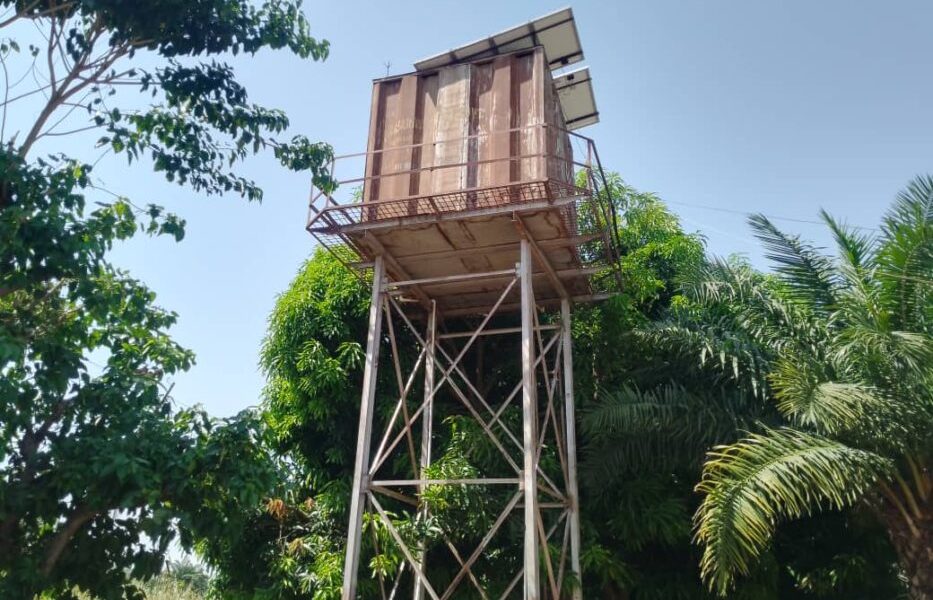
The people of Ome in Duduguru Ward, Obi Local Government Area, Nasarawa State, are sounding the alarm over water scarcity ome as the dry season pushes them to share a river with cattle and other livestock. Village Head Luka Zhemuga told reporters that the community has no safe drinking‑water source beyond shallow, often dry wells that residents dig themselves. When the rains retreat, the few remaining wells quickly run out, leaving families to trek two kilometres to a river that also serves animals, exposing them to cholera, typhoid, malaria and other water‑borne illnesses.
Ome, the largest settlement in Duduguru Ward, has attracted new families in recent years because of fertile farmland and the promise of political clout during elections. Yet the increase in population has not brought basic infrastructure. Zhemuga explained that promises from politicians during campaign seasons have never materialised, and the village still lacks a functional borehole. The only borehole at the local Primary Healthcare Centre was vandalised in a past crisis and remains unrepaired, according to Officer‑in‑Charge Chia Amos Akuraga. Without a reliable source of clean water, the health centre must purchase water from outside, a costly and inefficient solution that fails to meet daily needs.

Women bear the brunt of the shortage. Grace Abashi described how, from January to May, women rise as early as 4 a.m. to queue at the river, sometimes spending the whole day waiting for a turn. “We leave our houses as early as 5 a.m. and queue to get drinking water from the river, which is two kilometres away,” she said. Tabitha Joshua added that the community’s local wells provide water only during the rainy months; from December to May, residents must compete with animals for the river’s flow. Martha Makama highlighted the physical toll, noting that women often carry children on their backs while walking under the scorching sun, and many abandon their small businesses simply to fetch water.
Health impacts are already evident. Zhemuga warned that the lack of clean water has led to outbreaks of cholera and typhoid, while the presence of stagnant water near the river encourages malaria transmission. Youth leader Elisha Akala said residents sometimes go an entire day without bathing, leading to headaches and other ailments. The primary health centre, already strained by the absence of a working borehole, struggles to treat patients who arrive with water‑related illnesses.
The crisis also creates safety concerns, especially for young girls. Twenty‑five‑year‑old Nancy Emmanuel recounted instances where girls walking to the river face harassment and, in some cases, sexual assault. “At times, some boys even rape us on our way to the river,” she disclosed, underscoring how the lack of nearby water forces vulnerable groups into risky situations.
Local authorities have been approached for assistance. While the General Manager of the Nasarawa State Rural Water Supply and Sanitation Agency, Haruna Ayuba, did not respond directly to inquiries, earlier statements attributed to him indicated that Governor Abdullahi Sule’s administration intends to extend its water and sanitation programme to critical communities like Ome. Ayuba had previously assured that a technical team would be dispatched for “immediate intervention.”
Despite these assurances, residents say no concrete action has yet arrived. Zhemuga reiterated his plea, urging the state government to drill a borehole that could provide clean water year‑round. “My appeal now is that the government should please help us by drilling a borehole to serve the community,” he said, adding that reliable water would dramatically reduce sickness and improve overall health.
The situation in Ome reflects a broader challenge across many rural parts of Nigeria, where rapid population growth and agricultural expansion outpace the provision of essential services. Access to safe drinking water remains a key development indicator, and communities without it often experience higher rates of preventable disease, reduced school attendance for children, especially girls, and diminished economic productivity.
As the dry season continues, the people of Ome are preparing for another months‑long struggle to secure water. The next step appears to hinge on whether state officials will honour prior commitments and send a technical team to assess the feasibility of installing a new borehole. Until then, the daily reality for Ome’s residents will remain a race against time, heat and disease, as they continue to share the river with the animals that already call it home.












Join the conversation