
Brexit Trade Talks Intensify as UK Prime Minister Heads to Brussels
Andy Burnham arrived in Brussels on Friday for the second UK‑EU summit, a meeting first arranged under the previous Labour administration to deepen post‑Brexit cooperation. The visit comes as “Brexit trade talks” dominate headlines and public conversation, with the prime minister signalling a willingness to revisit the terms of the United Kingdom’s split from the European Union.
Burnham, who took office in July, said his immediate priority is to improve the current relationship with the bloc, even as he hints at a longer‑term vision that could include a future referendum on re‑joining. His approach marks a departure from the more cautious stance of his predecessor, Keir Starmer, and reflects a broader shift in public sentiment that has been building since the 2016 vote.

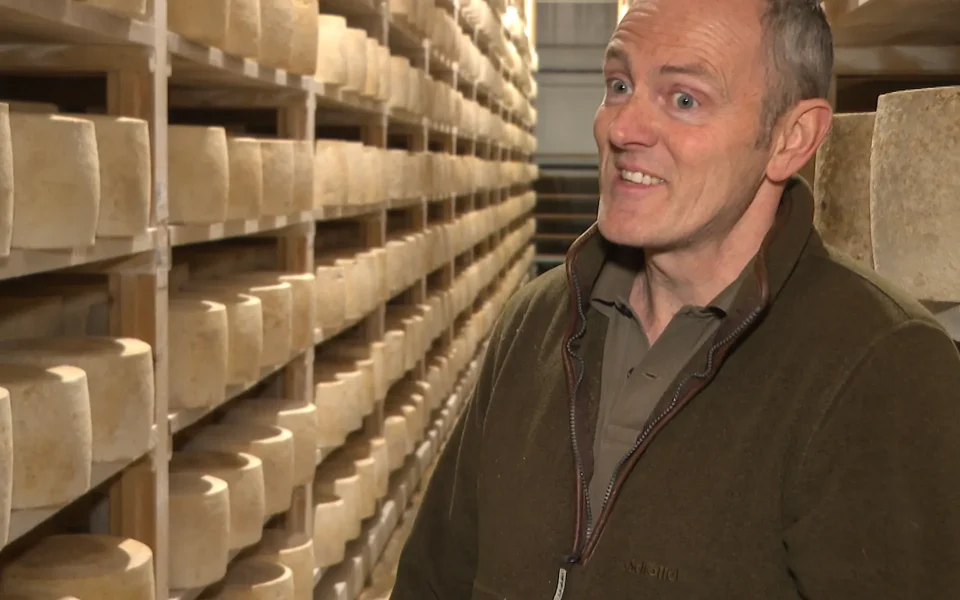
The practical impact of the split can be seen on farms like that of Tim Jones, a dairy farmer in Lincolnshire. Jones told Al Jazeera that Brexit “suddenly made life much harder… it definitely harmed our business,” referring to lost customers and higher costs of exporting his cheese to Europe. For producers such as Jones, the introduction of customs checks, paperwork and new border rules has translated into longer delivery times and added expenses that cut into margins. The situation is not unique to cheese makers; a range of agri‑food exporters have reported similar obstacles, from fresh produce to meat products, as they deal with the new regulatory landscape.
Public opinion has shifted dramatically since the 2016 referendum. A YouGov poll conducted in September found 55 percent of respondents now consider leaving the EU a “wrong turn,” while only 21 percent view the decision as correct. Moreover, 59 percent support re‑joining the bloc, and a separate survey of 18 possible membership models showed 58 percent would vote to return if the UK retained its EU budget rebate, stayed out of the euro, and joined the Schengen zone. These figures underline a growing appetite for a softer Brexit or even full reintegration, especially among younger voters who have never known a United Kingdom outside the single market.
Burnham’s stance reflects this evolving mood. Unlike Starmer, the new Labour leader has reignited the Brexit debate and suggested that a future Labour manifesto could promise a new referendum. While he has ruled out major changes to the UK‑EU relationship before the next general election, he has indicated a personal desire to see the country back in the bloc within his lifetime. The prime minister stressed that any moves will be guided by public sentiment, noting that “we will not get ahead of the public on this.”
At the Brussels summit, officials are negotiating a suite of agreements aimed at smoothing practical ties. Among the items on the agenda are a youth mobility scheme, an emissions trading arrangement, and a specific food and drink trade deal that could ease the export of products like Jones’s cheese. The youth mobility scheme would allow university students and recent graduates to spend up to two years working in the other jurisdiction, a step that could help address skill shortages on both sides of the Channel. The emissions trading arrangement seeks to align the UK’s carbon market with the EU’s system, preventing double‑counting and ensuring that businesses are not penalised for operating across borders.
The food‑drink deal, perhaps the most immediately tangible for exporters, aims to reduce the paperwork required for border checks and to recognise each side’s sanitary standards. If successful, it could cut the time needed to move goods from farms and factories to market, lowering costs for small producers who currently bear the brunt of compliance. Jones echoed the prime minister’s hopes, saying, “If he can reduce the red tape and the cost of sending cheese to Europe… that would be a huge positive for us.” He added that a clearer, more predictable trading framework would allow his business to plan for the future rather than reacting to ad‑hoc changes.
Political groups on both sides of the debate are preparing for the next round of contention. Two pro‑Brexit campaigns, now rebranded as Stay Out and Enough Official, are set to launch new messaging aimed at defending the current arrangement. Their emergence suggests that the “Brexit wars” are far from over, with both sides ready to mobilise supporters as the government navigates the delicate balance between domestic expectations and international negotiations.
The summit is expected to conclude later this week, after which Burnham will return to London with a report on the progress made. Observers anticipate that any concrete outcomes, particularly on the food‑trade front, will be announced in the coming months, providing a barometer for how quickly the UK can adjust its post‑Brexit trade architecture. The prime minister is slated to brief Parliament in a session that will likely focus on the immediate steps taken to cut bureaucracy, while also outlining the longer‑term roadmap for UK‑EU relations.
For ordinary Britons, the stakes are clear. Reducing friction at the border could mean lower prices at the grocery shelf, steadier incomes for farmers and a smoother supply chain for manufacturers. At the same time, the political debate over whether the United Kingdom should seek a softer Brexit or aim for full re‑integration will continue to shape party platforms and voter choices as the next general election approaches.
As Burnham prepares to brief Parliament, the nation watches closely to see whether the promised reductions in red tape will materialise or if the debate over the United Kingdom’s place in Europe will intensify once more. The next few weeks will reveal how much of the current “Brexit trade talks” agenda can be turned into actionable agreements and how the public’s shifting mood will influence the government’s long‑term strategy.









Join the conversation