
Yoruba home video credited by veteran actor Osuofia, not Nollywood
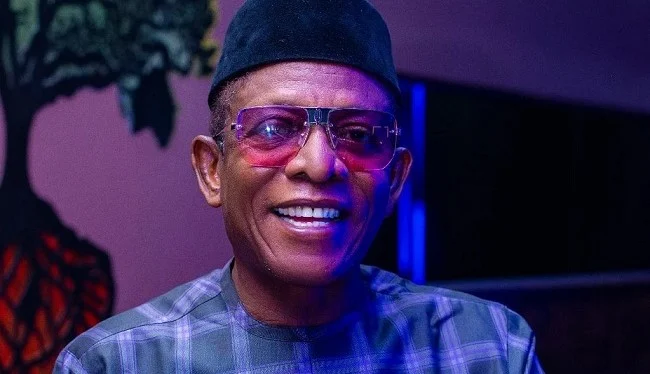
Veteran Nollywood star Nkem Owoh, known to audiences as Osuofia, used a recent interview to stress that the Yoruba home video tradition, not the later Nollywood label, launched Nigeria’s direct‑to‑video market. The clarification came during “Curiosity Made Me Ask,” a YouTube show hosted by comedian Adebayo Abidemi, popularly called Bae U, and was posted on the channel on Saturday. In the opening segment, the host asked Owoh whether he had claimed that Yoruba people started Nollywood, a question that prompted the actor to set the record straight.
Owoh explained that the notion he had said “Yoruba started Nollywood” was a misinterpretation. He noted that when filmmakers first gathered to discuss ideas, the term “Nollywood” did not exist. “First of all, you have given me this wrong accusation that I said, Yoruba started Nollywood. No. Yoruba started this film on…when did Nollywood come out? When we started the thing, there was no Nollywood as a name,” he said. He added that the industry later adopted the name after broader discussions among stakeholders. This distinction, he argued, separates the early home‑video activities from the later, globally recognised Nollywood brand.

While rejecting the claim that Yoruba initiated Nollywood, Owoh praised several Yoruba pioneers for popularising home video. He singled out veteran filmmaker Hubert Ogunde and another figure referred to simply as Adebayo, saying, “So, Yoruba started the thing. They made the thing very popular home video and all that. Yes, they did. And I’ve said it several. Okay. Ogunde and Adebayo Papa. These are the people I love to watch their thing.” When the interviewer teased that Ogunde might have been Igbo, Owoh quickly corrected him, insisting that Ogunde was Yoruba and that no Igbo filmmaker had achieved comparable fame at that early stage.
The actor’s remarks arrived amid a long‑standing debate about ethnic contributions to Nigerian cinema. The discussion was reignited earlier this year when the late veteran Francis Duru, who died in October, argued that the Igbo community built the modern home‑video industry in the 1990s and early 2000s, though the Yoruba later became dominant because of their organisational strengths. Duru’s position contrasted with Owoh’s view that Yoruba travelling theatre groups, led by figures such as Ogunde and Duro Ladipo, had already been making stage and early film productions well before the 1990s boom.
Historical accounts support both narratives. Yoruba itinerant theatre troupes transitioned from live performances to early video productions in the decades preceding the 1990s, laying groundwork for later commercial ventures. At the same time, the 1992 Igbo‑language hit “Living in Bondage,” produced by Kenneth Nnebue, sparked the commercial explosion of the direct‑to‑video market and is widely credited with popularising the format that eventually became known worldwide as Nollywood. The term itself was coined only years later, further blurring the line between the early home‑video tradition and the later industry label.
Owoh’s clarification also highlighted how industry terminology evolved. He stressed that “The Yoruba did not start Nollywood. They started Home video,” underscoring the chronological gap between the two phenomena. By separating the two, he positioned the Yoruba contribution as foundational rather than synonymous with the later Nollywood identity. This nuance matters for scholars and fans seeking to trace the lineage of Nigerian film, as it acknowledges the layered development of the sector.
Other veteran actors have weighed in on related issues. In September 2026, Punch Online veteran Pete Edochie appeared on the same host’s show and declared that he had no favourite colleague because he considered himself larger than his peers. Edochie, whose stage career dates back to 1962, emphasized his long‑standing presence in Nigerian entertainment, predating the formal emergence of Nollywood. His comments, though unrelated to the ethnic debate, reinforce the idea that many artists view their work as part of a broader historical continuum that spans theatre, early film, and contemporary video.
The conversation sparked by Owoh’s interview is likely to continue as scholars, filmmakers, and audiences reassess the origins of Nigeria’s cinematic output. Industry bodies have not issued an official statement, but the debate show the importance of recognizing multiple regional contributions. As the debate unfolds, media outlets are expected to revisit archival footage and oral histories to better map the evolution from Yoruba travelling theatre to the home‑video boom and finally to the globally recognised Nollywood brand.











Join the conversation