
Japan Brazil Friendly Ends 3-2 Thriller as Sakamoto Scores, Ancelotti and Raphinha Sent Off
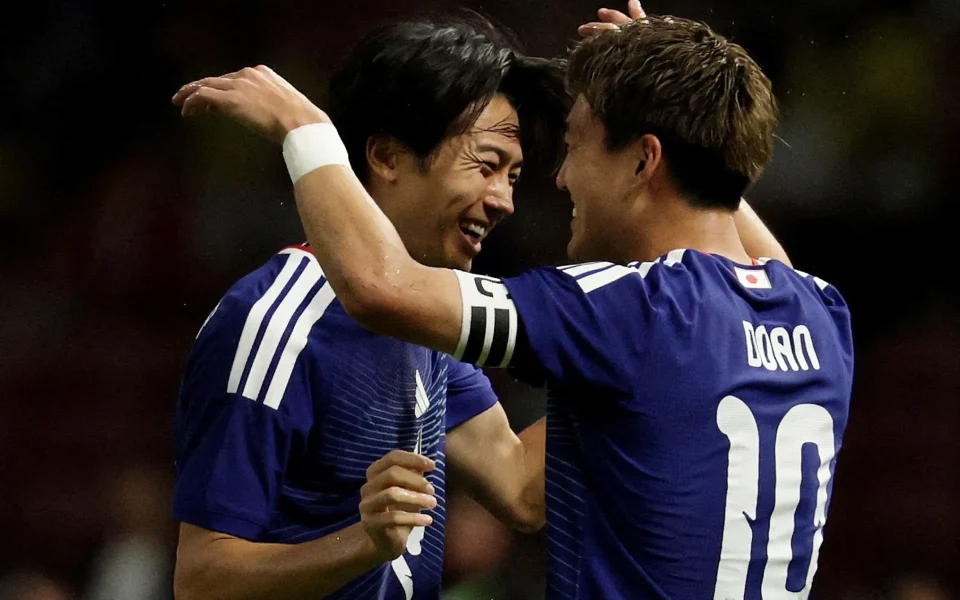
The Japan Brazil friendly in Singapore turned into a headline‑making spectacle when substitute Tatsuhiro Sakamoto scored in stoppage time to clinch a 3‑2 victory for the hosts. The match, played at the National Stadium before a crowd of 38,688, saw Brazil forward Raphinha and manager Carlo Ancelotti each shown red cards after they protested a refereeing decision. The dramatic finish gave Japan a chance to avenge the narrow loss they suffered to Brazil in the World Cup round‑of‑32 in June.
Japan opened the scoring early, with Takefusa Kubo finding the net inside the first ten minutes, followed shortly by Keito Nakamura to put the Samurai Blue two goals up within the opening 19 minutes. The early onslaught reflected a well‑drilled Japanese side that had been working on quick transitions in their recent training camps. Brazil responded through a brilliant brace from Vinicius Jr, who pulled the South Americans level at 2‑2. Vinicius’ two strikes highlighted why the Brazilian forward is considered one of the continent’s most promising talents, even as the team experimented with several debutants in the friendly.

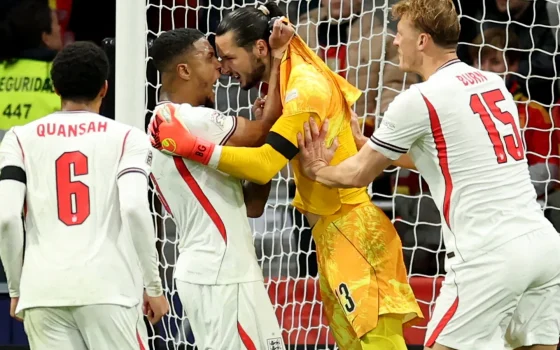
The match appeared evenly balanced until the final minutes, when Brazil appealed for a foul in the build‑up to Sakamoto’s winner, only for VAR to confirm the goal. The Brazilian side’s protests escalated, prompting the referee, Jansen Foo, to issue straight red cards to both Raphinha and Ancelotti for dissent. The decision came after Raphinha tried to approach the official, only to be intercepted by Vinicius and Bruno Guimaraes, underscoring the heightened emotions on the pitch.
Ancelotti, visibly surprised by the decision, defended his actions at the post‑match press conference, saying the referee “said I wasn’t able to control the bench and that all the players were on the field.” He added that while the result was disappointing, Brazil had several positives, including strong performances from debutants. Ancelotti also criticized the referee’s handling of the game, suggesting the official lacked experience for a high‑level encounter. His comments reflect a broader concern among coaches about the consistency of officiating in matches that serve as preparation for major tournaments.
Raphinha, who was escorted off the pitch by teammate Marlon Gomes, also used the media platform to apologise for his behaviour while lambasting the officiating. He described the red card as “unacceptable” and claimed the referee made multiple errors, including denying a penalty in the first half and overlooking a clear foul on Joao Gomes before Brazil’s third goal. Raphinha’s frustration mirrored a sentiment shared by many in the Brazilian camp that key decisions had swung the match in Japan’s favour.
Japan coach Hajime Moriyasu, celebrating his eighth year in charge, praised his side’s performance, calling the match “the best match in my eight‑year tenure.” He highlighted Brazil’s increased intensity after they took the lead and emphasized that Japan’s players operated at “the world’s top standard.” Moriyasu, who is set to step down after a friendly against Paraguay on Tuesday, said the victory shows the progress the team has made since the World Cup exit and expressed optimism about the upcoming transition to successor Go Oiwa.
The victory carries emotional weight for Japan. Their World Cup defeat to Brazil in June ended in a heartbreaking stoppage‑time goal by Gabriel Martinelli, which secured a 2‑1 win for the South Americans. The recent friendly offered a form of redemption, with Sakamoto’s first international goal providing a dramatic reversal of fortunes. For many Japanese supporters, the win feels like a closure of that painful chapter, reinforcing belief that the national team can compete with the traditional powerhouses.
From a broader perspective, the match highlighted ongoing debates about refereeing standards in international friendlies. Both teams voiced concerns over VAR interventions and the consistency of decisions, with Brazil’s officials pointing to missed penalties and uncalled fouls. The red cards handed to a high‑profile manager and a marquee player also raised questions about disciplinary protocols, especially in matches that serve as preparation for upcoming tournaments. FIFA and the Asian Football Confederation have previously noted the need for clearer guidelines in friendly fixtures, where the stakes are lower but the scrutiny remains intense.
The clash also show the rising competitiveness of Asian football on the global stage. Japan’s ability to overturn a two‑goal deficit against a nation that rarely loses outside competitive tournaments signals a narrowing gap between continents. Analysts often cite such performances as evidence that Asian sides are investing more in youth development and tactical sophistication, trends that could reshape future World Cup group dynamics.
As the teams depart Singapore, Brazil will regroup ahead of their next friendly against Paraguay, while Japan prepares for the final test under Moriyasu before the coaching handover. The incident will likely be reviewed by the Asian Football Confederation and FIFA’s refereeing committees, given the high‑profile nature of the participants and the impact of the decisions on the match outcome. The next steps involve disciplinary hearings for Ancelotti and Raphinha, as well as possible appeals concerning the VAR rulings that shaped the final minutes of the Japan Brazil friendly.









Join the conversation