
South Africa‑Nigeria diplomatic ceremony row over alleged presidential interference
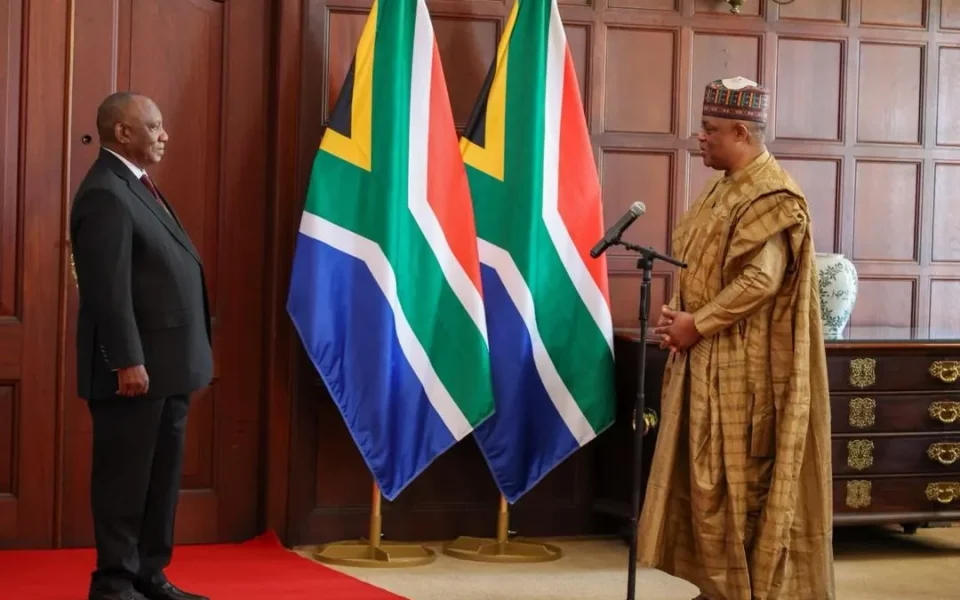
The controversy erupted after the diplomatic ceremony at the Presidential Guest House in Pretoria on Friday, when Nigeria’s ambassador Femi Fani‑Kayode claimed his speech was cut from the live broadcast and that President Cyril Ramaphosa personally stepped in to correct the omission. South Africa’s presidential spokesperson Vincent Magwenya refuted those assertions, saying the president had no authority to intervene in the South African Broadcasting Corporation’s editorial decisions and labeling the Nigerian High Commission’s account as false.
During the credential‑receiving event, 15 ambassadors were scheduled to present letters of credence to President Ramaphosa. While introductions and remarks from fourteen diplomats were aired in real time, the Nigerian segment disappeared from the livestream, only to resume after the scheduled slot had passed. Fani‑Kayode protested the interruption, alleging the broadcast was deliberately halted when it was his turn to speak. He later told reporters that he confronted the president during a photo session, saying Ramaphosa “questioned them and directed them to resolve the issue immediately,” but that the damage was already done.

The South African Presidency later uploaded the full ceremony, including the Nigerian envoy’s remarks, to its official YouTube channel. In that speech, Fani‑Kayode pledged to rebuild diplomatic ties, recalled Nigeria’s support for the anti‑apartheid struggle, and highlighted his aim to strengthen cooperation between the two nations. The incident, however, has reignited tensions that have lingered since a series of xenophobic attacks against Nigerians and other African nationals in South Africa.
Magwenya’s response on X (formerly Twitter) was unequivocal. “Even when it’s institutionalised, a lie remains a lie. There was no such intervention from the President or the Presidency and there will never be,” he wrote. He further urged the Nigerian mission to study South Africa’s constitution and the SABC editorial code, adding, “Read our constitution and laws and familiarise yourself with the SABC editorial code. Stop disgracing yourself and your country.” The spokesperson clarified that, according to his account, the president merely directed the ambassador to Sophie Mokoena, the appropriate official for handling broadcast grievances, and that Fani‑Kayode declined to engage with her.
The Nigerian High Commission rejected the South African side’s narrative, maintaining that the ambassador was treated with “contempt and disdain” and that the incident represented an affront to Nigeria itself. In a statement, the mission asserted that Ramaphosa “did the right thing by intervening” and that they had achieved “the result we wanted.” The commission’s wording emphasized respect for the president, describing the intervention as timely despite the earlier exclusion.
Background to the dispute shows a broader strain in bilateral relations. Nigeria’s National Assembly, in September, suspended official engagements with South African institutions over concerns about repeated attacks on Nigerians living in South Africa. Those xenophobic incidents have repeatedly soured public sentiment and complicated diplomatic exchanges. Fani‑Kayode, who arrived in October to assume his post, has repeatedly spoken of a desire to repair ties and promote mutual cooperation, making the diplomatic ceremony controversy one of his first public challenges to the South African Presidency.
Legal and procedural experts note that the president’s constitutional powers do not extend to editorial control of the state broadcaster, a point emphasized by Magwenya. The SABC operates under an editorial code that protects its independence, and any direct presidential order to alter broadcast content would be contrary to established norms. While the president can address grievances raised by foreign envoys, the mechanism for doing so typically involves diplomatic channels rather than direct interference with media operations.
Both sides appear set to defend their positions. The South African Presidency’s release of the full ceremony suggests an effort to demonstrate transparency, while the Nigerian mission’s insistence on the president’s involvement show its view that the omission was a serious diplomatic slight. Observers note that the episode could influence ongoing discussions about bilateral trade, migration, and security cooperation, areas already under pressure due to the xenophobia issue.
As the dispute continues, diplomatic channels remain open. The South African government has not indicated any further action beyond the public statements, and the Nigerian High Commission has called for the South African side to “familiarise itself with our constitution and laws,” a phrasing that hints at a possible diplomatic note or formal protest. With the ceremony’s full video now accessible and both parties publicly asserting their narratives, the next steps are likely to involve quiet diplomatic exchanges rather than another public showdown.
The episode serves as a reminder of how ceremonial protocols can become flashpoints in already fragile relationships, and it highlights the importance of clear communication between diplomatic missions and host‑country institutions. Both nations will watch closely how the story unfolds, as any escalation could affect broader regional cooperation initiatives.








Join the conversation