
Somalia Stability Gains New International Backing Amid Ongoing Challenges
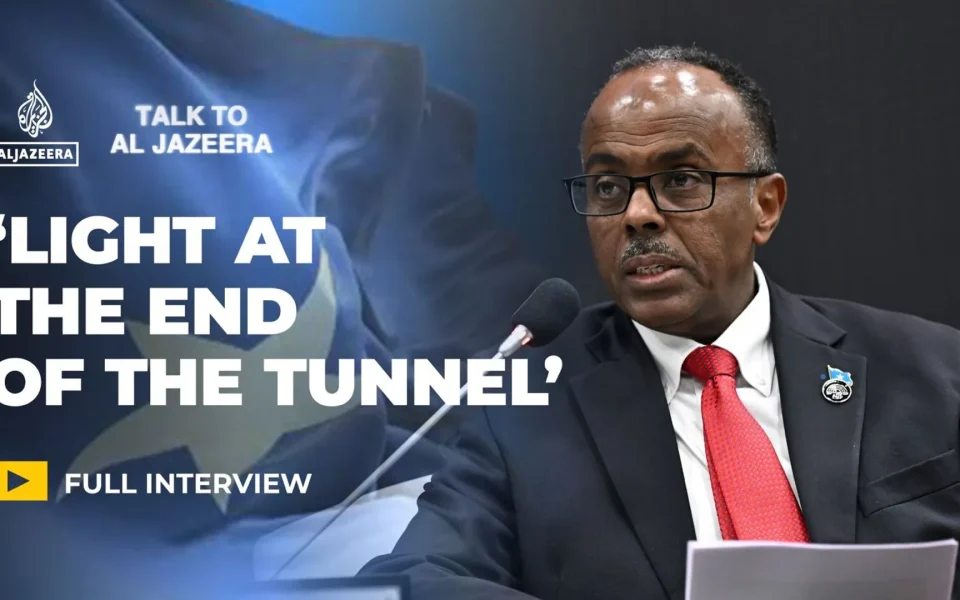
Somalia’s decades‑long quest for stability was brought to the fore on 15 November 2026 when senior officials, among them former president Mohamed Omar, called on the international community to keep up both financial and diplomatic assistance. In a televised interview, Omar warned that without continued backing the country could not have emerged from years of conflict, political deadlock and humanitarian crisis. His remarks coincided with the United Nations political office’s plan to wind down its mandate at the Somali government’s request, a move that marks a turning point in the nation’s relationship with external partners.
The United Nations political office, created in the early 1990s after the collapse of central authority, was tasked with rebuilding state institutions, fostering dialogue among clan leaders and mediating political disputes. For more than thirty years the mission helped lay the groundwork for a federal system, supported electoral processes and provided technical advice on governance reforms. In October 2026 the office announced its closure, citing the Somali government’s expressed desire to assume full responsibility for its own affairs. While the exit signals a symbolic step toward sovereignty, officials cautioned that the gap left by the UN’s technical support could hinder ongoing reforms, especially those aimed at strengthening the rule of law and reconciling divided communities.

Security on the ground remains precarious. African Union Mission in Somalia (AMISOM) troops continue to operate in Mogadishu and surrounding districts, where they are engaged in a protracted campaign against al‑Shabaab. The insurgent group, linked to al‑Qaeda, still controls significant territories in central and southern Somalia and retains the ability to launch guerrilla attacks, sabotage infrastructure and disrupt local administration. Recent intelligence reports suggest that although the insurgency has been weakened by years of counter‑terror operations, it still possesses the logistical capacity to threaten peacekeeping forces and civilian populations alike. This reality show the need for a robust, well‑funded security framework that can respond to both conventional and asymmetric threats.
Adding to the security dilemma, the United States announced reductions in its funding for the African Union mission. American contributions have long formed a cornerstone of AMISOM’s operational budget, covering everything from troop salaries to equipment maintenance. Cuts in this aid raise concerns that the mission may have to scale back its presence or rely more heavily on contributions from other donor nations, a scenario that could stretch resources thin. Somali officials have already begun seeking alternative funding streams, warning that any shortfall might embolden al‑Shabaab and reverse recent gains in stability. The prospect of a funding gap has prompted debates within the government and among regional partners about how best to sustain a credible peacekeeping force without compromising other development priorities.
Political tensions persist on another front. Opposition parties have challenged the legitimacy of President Hassan Sheikh Mohamud’s administration, arguing that the new constitution limits a president’s term to the end of the current calendar year. The government, however, maintains that constitutional provisions permit the incumbent to remain in office until the scheduled elections in 2027. This disagreement has sparked protests in several districts, with demonstrators calling for transparent electoral reforms and clearer rules governing succession. The dispute highlights lingering mistrust between the ruling party and opposition factions, a factor that could complicate efforts to present a united front against security threats.
Despite these hurdles, Omar expressed optimism about the country’s trajectory. He noted that Somalia is more stable now than it was a few years ago, pointing to visible improvements in infrastructure such as the rehabilitation of key ports, the expansion of road networks and the reopening of trade corridors that had long been closed due to insecurity. He also highlighted the surge in voter registration ahead of the 2027 elections as a sign of growing civic engagement. Yet Omar was quick to caution that this stability remains fragile and that it hinges on sustained international investment, particularly in security sector reform, fiscal management and capacity‑building for public institutions. “We would not have recovered without the international community,” he said, urging donors to keep their commitments.
The broader regional context adds another layer of complexity. Neighboring Kenya and Ethiopia have intermittently hosted Somali refugees and provided logistical support to peace operations, reflecting a shared interest in preventing the spillover of insurgent activity across the Horn of Africa. Their involvement also includes contributions to trade initiatives aimed at integrating Somali markets with those of their neighbours. However, divergent national priorities sometimes hinder a cohesive approach, as each country balances its own security concerns, economic ambitions and domestic politics. This dynamic has prompted calls for a more coordinated regional strategy under the African Union’s auspices, seeking to harmonise diplomatic, security and development efforts across borders.
Looking ahead, the Somali government plans to convene a national dialogue next month, a forum intended to address constitutional ambiguities, promote inclusive political participation and chart a roadmap for post‑UN development. International partners are expected to attend, offering technical assistance and pledging to review funding allocations for security and governance programmes. Observers note that the success of this dialogue will hinge on the ability of all stakeholders to compromise, the willingness of donors to maintain or increase financial flows, and the effectiveness of mechanisms that translate agreements into concrete actions on the ground.
As the United Nations political office draws to a close, the coming weeks will test Somalia’s capacity to manage its own affairs while navigating persistent security threats and political disputes. The international community’s response, especially in terms of financial aid, peacekeeping support and technical guidance, will likely shape the trajectory of Somalia’s decades‑long quest for stability. The outcome of the upcoming national dialogue and the ability of regional partners to align their strategies will be closely watched as indicators of whether the fragile gains can be consolidated into lasting peace and development.









Join the conversation