
India Under‑19 Asia Cup Triumph Marred by Post‑Match Aggression
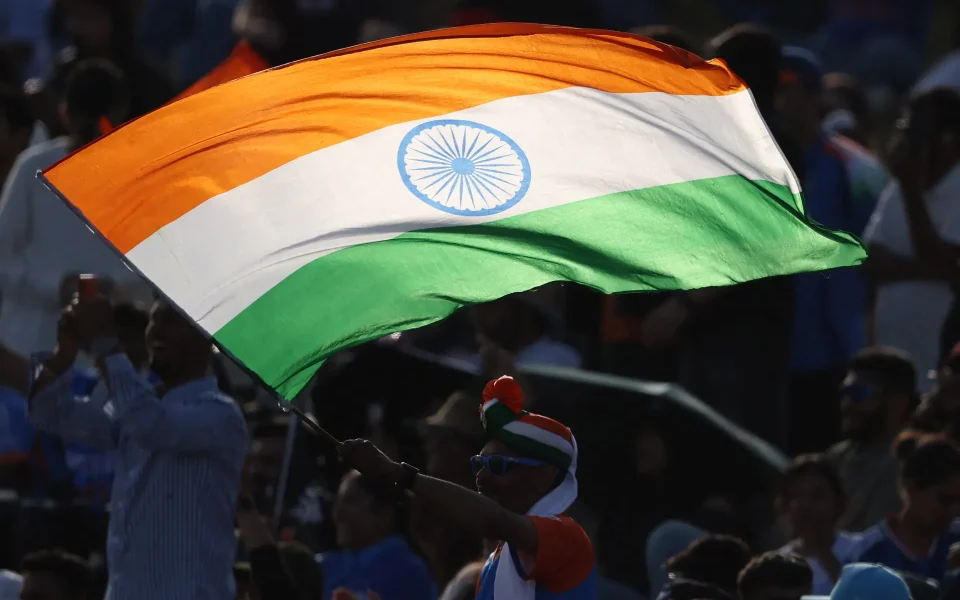
The India under‑19 Asia Cup win over Pakistan in Oman was a story of high drama on the field and tension off it. The final, played at the Oman Academy Cricket Ground in Al Amerat on the outskirts of Muscat, saw the Indian side chase a daunting target of 338 and scrape home with a boundary on the last ball, edging Pakistan by a single wicket. While the comeback secured India’s ninth Under‑19 Asia Cup title, its first since 2021, the victory was quickly eclipsed by a burst of aggression that followed the nail‑biting finish, prompting condemnation from former cricketers and supporters on social media.
The chase had seemed almost impossible when India found themselves at 252‑8 in the 42nd over. The pressure of a steep run rate and a flat wicket made the odds heavily against them. It was then that lower‑order batters Manal Chauhan and Mohit Ulva forged a crucial 57‑run partnership for the ninth wicket. Chauhan’s quick‑fire 47 off 32 balls shifted the momentum, while Ulva, unbeaten on 49 from 26 deliveries, sealed the win by striking a boundary with three runs still required. Their composure under pressure highlighted the depth of talent in the Indian junior ranks and show the importance of resilience in the 50‑over format.

India’s captain Lakshya Raichandani had already laid a solid foundation, scoring 80 off 101 balls, and opening partner Aaryavir Sehwag contributed a steady 58 from 61 balls. Sehwag’s performance earned him the tournament’s player‑of‑the‑series award and made him the leading run‑scorer with 361 runs across five innings. For Pakistan, the chase was anchored by opener Usman Khan’s century, 107 off 111 balls, supported by Abdul Qadir’s 80 and captain Farhan Yousaf’s 63, which together set a total of 337‑9.
Despite the on‑field heroics, the atmosphere after the final turned sour within moments of the last ball. Video clips circulated showing an Indian player shouting and gesticulating aggressively toward Pakistan wicketkeeper Hamza Zahoor, who chose not to engage. Several teammates were seen kicking in the direction of the Pakistani dressing room as team officials tried to pull them back. The customary post‑match handshake, a ritual that usually signals mutual respect, was omitted entirely. This omission echoed a pattern that has become familiar in recent India‑Pakistan encounters, where political and diplomatic tensions have seeped onto the cricket field.
Former Pakistan captain Mohammad Yousuf took to the social‑media platform X to remind athletes of the broader responsibilities they carry. “You are not just representing your country. In fact, you are representing your upbringing, the values and the ethics your parents taught you as a child,” he wrote. He urged players to remain respectful and composed, regardless of the result, and stressed that true sportsmanship is reflected in conduct, not just in scores. An Indian supporter echoed similar sentiments, describing the behaviour as “uncouth, crass and downright disgusting” and warning that it mirrors a wider cultural issue within the sport’s leadership.
The incident adds another chapter to a series of diplomatic snubs that have marked recent matches between the two cricketing neighbours. In September of the previous year, the senior India men’s team refused to shake hands with Pakistan during an Asia Cup clash and declined to accept the trophy from Asian Cricket Council (ACC) President Mohsin Naqvi, who also serves as Pakistan’s interior minister. Women’s fixtures have also seen the handshake skipped, with the India women’s team turning down the trophy after a 2025 Asia Cup win in Dubai, and similar gestures repeated at the ICC Women’s World Cup 2025 and the Women’s T20 World Cup in England. These incidents reflect how political undercurrents can influence sporting etiquette, especially in a rivalry that carries historical weight for both nations.
Beyond the controversy, individual performances offered plenty of talking points. Pakistan’s Usman Khan became the tournament’s first centurion, his 107 showcasing a blend of patience and power that kept India’s bowlers on the back foot. Abdul Qadir’s 80 and Farhan Yousaf’s 63 added valuable middle‑order stability, allowing Pakistan to post a competitive total despite losing early wickets. For India, the partnership between Chauhan and Ulva highlighted the depth of the batting line‑up, while the experience of players like wicketkeeper Anvay Dravid, son of former India captain Rahul Dravid, added a layer of composure even though his contribution with the bat was modest at 19 runs.
The governing bodies have yet to release an official statement on the post‑match conduct. However, the ACC is expected to review the footage and consider disciplinary measures, as it has done in past incidents involving unsporting behaviour. Both the Board of Control for Cricket in India (BCCI) and the Pakistan Cricket Board (PCB) face mounting pressure from fans, former players, and cricket administrators to reinforce the spirit of the game. In the lead‑up to the upcoming Under‑19 World Cup, where both India and Pakistan have qualified, discussions are likely to focus on tightening player conduct guidelines and ensuring that future finals are celebrated without hostility.
As the junior tournament concludes, the legacy of the under‑19 Asia Cup will be defined both by the thrilling chase that secured India’s ninth title and by the lingering question of how the sport’s youngest ambassadors will handle the intense rivalry that often spills beyond the boundary ropes. The next steps will involve consultations among the ACC, BCCI and PCB, with an eye on preventing a repeat of the aggressive displays that tarnished what should have been a moment of pure sporting celebration.










Join the conversation