
Odumodublvck says his song introduced Declan Rice to Nigerians
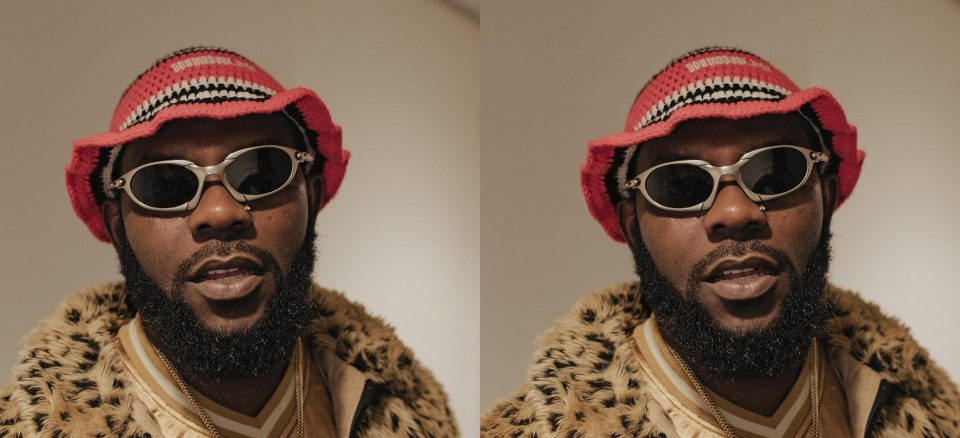
Declan rice
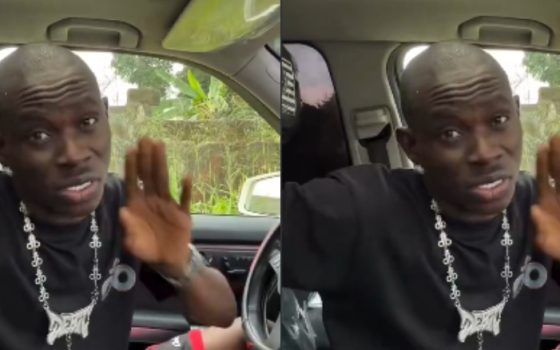
The Nigerian rapper Odumodublvck told reporters that his recent song was the catalyst that brought England midfielder Declan Rice to the attention of music lovers and football fans across Nigeria. He said the track aired before the player’s name was widely known, and that its popularity helped the Arsenal star “blow up” among local audiences.
In a statement made during a casual interview, the artist emphasized that before he sang about the footballer, “nobody knew about him.” He added that the exposure created by his lyrics coincided with a surge in interest, which he believes prompted Arsenal to notice and eventually sign the player. The claim has quickly become a talking point on social media, with users weighing the influence of entertainment on sports branding.
Odumodublvck’s comment highlights a broader trend where Nigerian musicians leverage global icons to broaden their appeal. In recent years, several artists have referenced foreign athletes in their lyrics, hoping to tap into the fervent fan bases that follow football’s biggest leagues. This practice often blurs the line between homage and marketing, prompting discussions about authenticity and commercial motives.
The rapper’s assertion that his song “introduced Declan Rice to Nigerians” reflects the growing interconnection between the music scene and football culture in Lagos, Abuja and other urban centres. Stadiums and clubs now host listening parties, while popular tracks are played during match-day celebrations, reinforcing the symbiotic relationship between the two spheres.
Fans on platforms such as Twitter and Instagram have responded with a mix of amusement and skepticism. Some users praised the rapper for spotlighting a player they felt was under‑represented, while others dismissed the claim as “rubbish” or accused him of chasing clout. The debate show how quickly narratives can spread when an entertainer ties a global sport figure to local cultural output.
Commentators noted that the claim arrives at a time when Arsenal’s scouting network has expanded its reach into Africa, seeking fresh talent and new markets. While the club’s official statements have not confirmed any direct link between the song and the player’s signing, the timing of Odumodublvck’s remarks adds a layer of intrigue to the club’s ongoing recruitment strategies.
Industry analysts point out that footballers often benefit from exposure in music videos, commercials and viral trends, which can raise their profile in markets where they previously had limited recognition. In Nigeria, where football is a dominant pastime, a popular track can act as a conduit, introducing players to audiences who might otherwise focus on domestic leagues or other international stars.
The rapper’s own rise to prominence mirrors this phenomenon. Emerging from the vibrant streets of Lagos, Odumodublvck gained a following through a blend of drill beats and lyrical references to global pop culture. His ability to fuse local dialects with internationally recognized names has earned him both acclaim and criticism, reflecting the dual nature of cultural exchange.
Critics argue that relying on foreign figures to attract attention may dilute the authenticity of homegrown music. Others contend that such collaborations broaden horizons, offering listeners a glimpse into the global sports arena while preserving indigenous musical styles. The conversation mirrors larger debates about globalization’s impact on Nigeria’s creative industries.
In the wake of the rapper’s statements, several Nigerian football forums have opened threads to discuss the role of music in shaping player reputations. Participants shared anecdotes of other athletes whose names entered local slang after being mentioned in songs, suggesting that Odumodublvck’s claim fits within a recognizable pattern of cultural diffusion.
The response from Arsenal’s fan base has been relatively muted, with most supporters focusing on the club’s on‑field performance rather than external influences. Nevertheless, the notion that a song could contribute to a player’s marketability in a new region is not entirely unprecedented, as clubs increasingly monitor social media trends to gauge fan engagement.
While the claim remains unverified by the club, the incident offers a case study for marketers looking to harness music’s reach. Advertising agencies often partner with artists to craft jingles or anthem‑like tracks that resonate with specific demographics, and the Odumodublvck narrative illustrates how such collaborations can inadvertently affect sports branding.
As the discussion continues online, the next step appears to be a closer look by media outlets into how often musicians shape the perception of athletes in Nigeria. Observers expect that future research may quantify the impact of songs on player popularity, potentially influencing how clubs approach fan outreach in emerging markets.






Join the conversation