
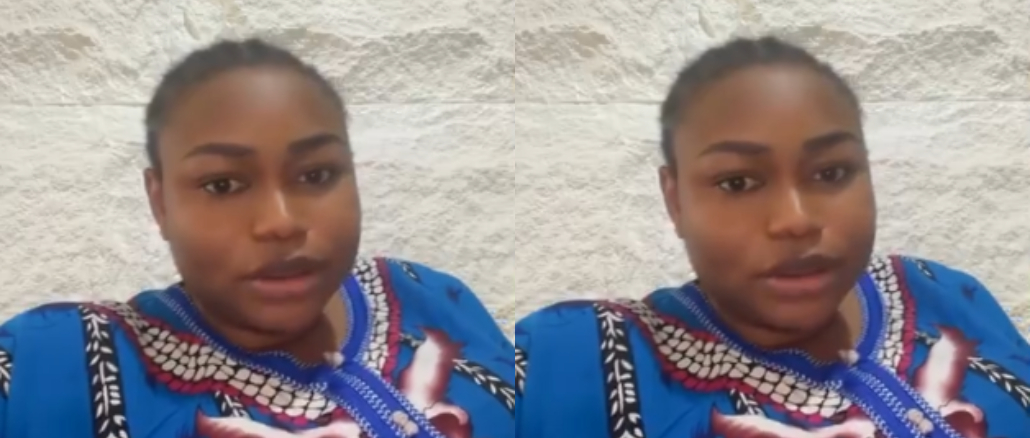
Actress Habibat Jinadu admits skin bleaching to land Nollywood roles

Habibat Jinadu told BBC Yoruba that she began bleaching her skin to improve her chances of getting movie roles, a decision driven by the industry’s preference for fair‑skinned, chubby actresses. She explained that directors at the time would often dismiss dark‑skinned performers, leaving few opportunities for those who did not fit the narrow aesthetic. “Back then, if you were not fair, nobody would call you for jobs. Whenever they turned the light on us on a movie set, the director would say I was too dark,” Jinadu said. The actress recalled that the pressure intensified after a colleague compared her appearance to a monkey, a comment that pushed her toward altering her complexion. “I didn’t pay much attention to it until someone said I looked like a monkey,” she recalled.
The practice of skin bleaching, while illegal in many countries, has persisted in parts of West Africa where lighter skin is often equated with beauty and marketability. In Nollywood, the world’s second‑largest film industry, casting agents have historically favored actresses who meet a narrow set of physical standards, a trend that has been documented by scholars and activists alike. Jinadu’s testimony adds a personal dimension to the broader debate, illustrating how systemic bias can drive individuals to harmful self‑modification. “I bleached my skin because if you were dark‑skinned, then you would not get a role. Also, if you were not chubby but slim, you would not get a role,” she said, highlighting the double standard of colour and body shape.
After undergoing the bleaching process, Jinadu reported a noticeable shift in the number of auditions she received. “So, I went ahead, bleached my skin and started expecting to get roles. And indeed, I started getting roles,” she affirmed. The increase in offers, however, came with an unexpected side effect: people on the street no longer recognized her. She described the strange encounters, noting that strangers would comment, “You look familiar, you look like an actress,” without being able to place her identity. This loss of personal recognition show the emotional cost of the transformation.
The physical repercussions of bleaching also began to surface on set. Jinadu said that the chemicals made her skin fragile, causing minor knocks and scrapes to turn into painful injuries. “Then, I started sustaining injuries and tears from minor bruises on sets and all,” she explained, indicating that the practice compromised her health as well as her career. Such complications are consistent with medical reports that link aggressive skin‑lightening agents to dermatitis, scarring, and increased susceptibility to infections.
A turning point arrived in 2023 when Jinadu became pregnant, prompting her to reevaluate the practice. The prospect of motherhood and the desire to protect her unborn child led her to stop bleaching altogether. “Becoming pregnant prompted me to reconsider the practice and discontinue it,” she said, signaling a shift in priorities from professional ambition to personal well‑being. The decision, however, was not met with universal approval.
After she stopped the bleaching regimen, Jinadu faced a fresh wave of criticism, this time targeting her natural appearance. She recounted that people resumed insulting her, using a range of derogatory names to question her looks. “When I eventually stopped, people started abusing me and calling me all sorts of names,” Jinadu reported, illustrating the persistent stigma attached to darker skin in the entertainment sector. The backlash highlights how deeply entrenched colour prejudice remains, even when an individual attempts to revert to their original complexion.
Industry observers note that Jinadu’s experience is not isolated. Several Nollywood actors have spoken out about similar pressures, and advocacy groups are calling for more inclusive casting policies that celebrate Nigeria’s diverse skin tones. The conversation has gained traction on social media, where hashtags demanding colour‑neutral representation have trended intermittently. While no formal regulation currently mandates casting diversity, the growing public dialogue could influence producers to broaden their aesthetic criteria.
Jinadu’s story serves as both a cautionary tale and a call for change within the film community. By sharing her journey, she hopes to inspire younger actors to resist harmful beauty standards and to encourage directors to look beyond skin colour when selecting talent. As the industry continues to evolve, the hope is that future casting decisions will reflect the rich variety of Nigeria’s populace rather than a narrow, Eurocentric ideal.
The actress says she is now focused on her family and on projects that value her talent over her appearance, but she acknowledges that the road to lasting change remains long. She has not indicated any immediate plans to return to the bleaching practice, and she remains open to roles that appreciate her authentic self. The conversation she sparked continues to resonate, with stakeholders awaiting concrete steps from Nollywood’s gatekeepers to address the bias she exposed.

Reporter at 03naija.com.







Join the conversation