
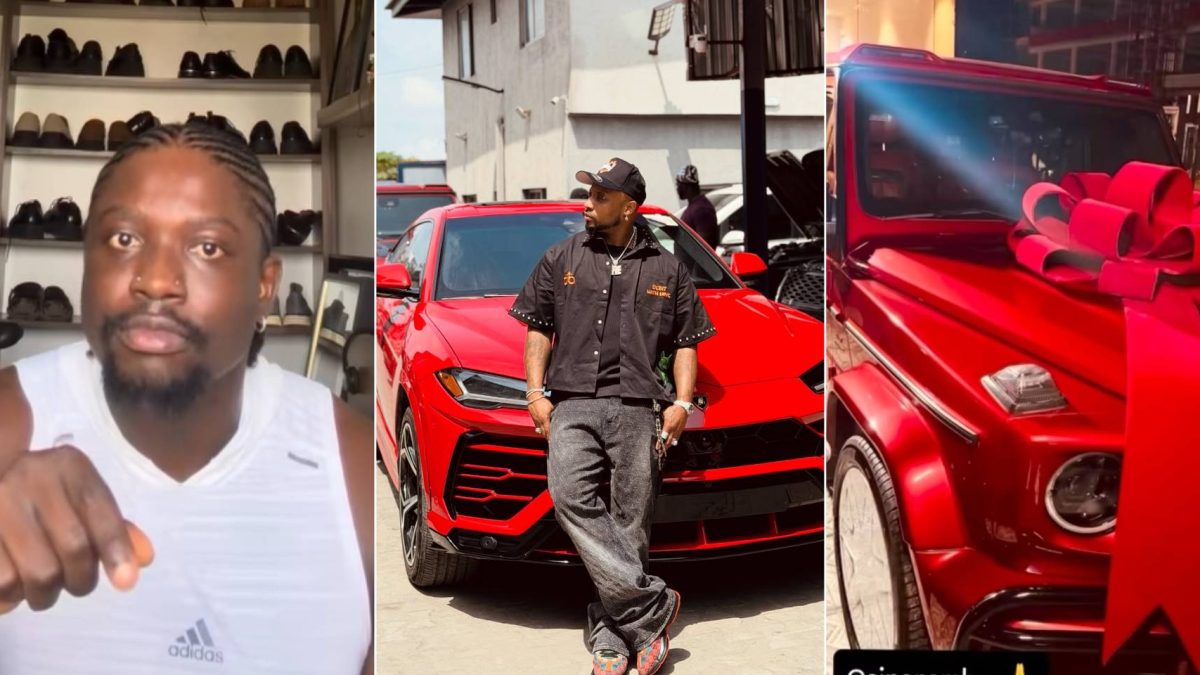
The controversy over b‑red cars erupted after social‑media commentator Verydarkman posted a video accusing the siblings of using public money to buy high‑priced vehicles. In the clip, the critic highlighted B‑Red’s red Lamborghini Urus, estimated at between ₦400 million and ₦600 million, and Sina Rambo’s brand‑new 2026 Mercedes‑G‑Wagon, questioning how the brothers could afford such luxuries given their family’s ties to Osun State government.
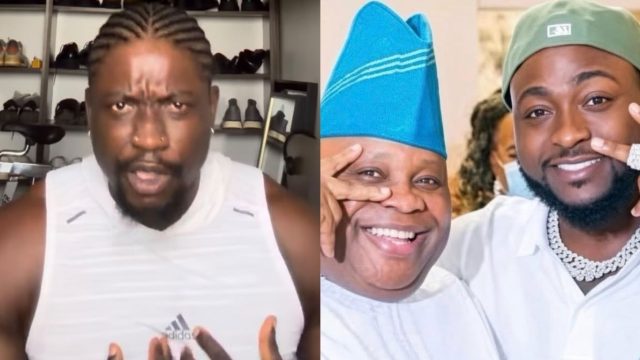
Verydarkman, a well‑known online personality, framed his concerns around the governor’s responsibility to the people of Osun. “Governor children. A poor state like Osun. Davido’s cousins. Corruption is only corruption when it does not benefit you. It is grace and strategy when it benefits you,” he said, casting doubt on the source of the brothers’ wealth. He went on to ask the public to consider when the musicians last released a song or performed at a concert, implying that their earnings from entertainment could not justify the cost of the cars.
The video quickly spread across platforms, prompting a flurry of comments from netizens who echoed the call for accountability. Some users demanded that the governor’s office provide a clear accounting of any state funds that might have been diverted, while others defended the brothers, noting that they are cousins of Afrobeats star Davido and may have independent business interests. The debate has tapped into broader frustrations about perceived inequities in resource allocation within Nigeria’s less‑affluent states, where many citizens still struggle with inadequate infrastructure and limited job opportunities.
While Verydarkman’s accusations have resonated with many, he did not present concrete evidence that the cars were bought with public money. His statements, such as “My own be say make una no finish Osun State funds. Make una papa try build infrastructure, make una try create jobs for Osun. Osun people deserve better,” reflect a broader demand for transparency rather than a proven case of misappropriation. The governor’s office has not yet issued an official response, leaving the matter open to speculation.
Experts on public finance note that high‑value purchases by relatives of public officials often attract scrutiny, especially in states with limited fiscal capacity. Osun, like many other regions, relies heavily on federal allocations and internally generated revenue to fund schools, health centres, and road projects. When prominent families appear to enjoy lavish lifestyles, the public tends to question whether tax dollars are being diverted or if there is a lapse in oversight.
In the entertainment industry, artists such as B‑Red and Sina Rambo have built careers that include music production, performances, and brand endorsements. However, the timing of their recent vehicle acquisitions, coinciding with a period of limited musical output, has fueled the perception that their wealth may stem from sources other than their artistic work. This perception is amplified by the fact that they are cousins of Davido, a globally recognised star whose own business ventures are often under the media spotlight.
The conversation has also highlighted the role of social media in holding public figures to account. Platforms enable rapid dissemination of concerns, but they also risk amplifying unverified claims. In this instance, Verydarkman’s video has become a focal point for a larger dialogue about governance, accountability, and the expectations of ordinary Nigerians who seek better public services.
As the story develops, civil society groups in Osun have signalled an intention to monitor any investigations that might arise. They have called on the state legislature to request a detailed audit of the governor’s finances and to ensure that any misuse of public resources is addressed swiftly. Meanwhile, supporters of the brothers argue that wealth accumulation is a personal matter and that allegations should be supported by factual proof before legal action is taken.
The next step appears to be a formal request for clarification from Governor Ademola Adeleke’s office. If the governor chooses to respond, he may either deny any involvement of state funds or provide a transparent account of the brothers’ financial sources. Such a response could either calm public anger or further inflame the debate, depending on its content and the level of detail offered.
Regardless of the eventual outcome, the episode show how quickly public sentiment can turn when symbols of extravagance intersect with perceptions of governmental neglect. The ongoing discourse around b‑red cars reflects a wider yearning among Osun residents for tangible improvements in infrastructure, employment, and the overall quality of life. The situation remains fluid, and observers will be watching closely for any official statements or investigations that may bring clarity to the allegations.
Comments