
Awujale nomination forms: DSS summons three Fusengbuwa house leaders in Abeokuta
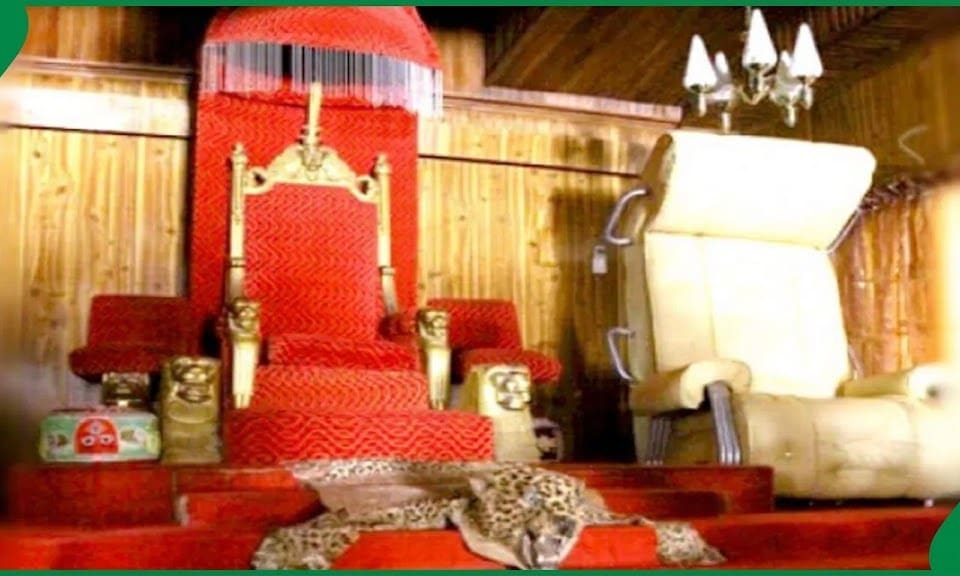
The Department of State Services (DSS) sent an invitation to three senior members of the Fusengbuwa ruling house on Thursday, asking them to appear at its Abeokuta office to discuss alleged sales of awujale nomination forms for the vacant Ijebuland throne. The summons, addressed to Chairman Abdulateef Owoyemi, Deputy Chairman Oladokun Ajidagda and Vice‑Chairman Prof Fassy Yusuf, arrived just hours before the scheduled 4 pm meeting, but both Ajidagba and Yusuf declined to attend, citing ongoing court proceedings and a Supreme Court case in Abuja.
Ajidagba, who received the letter at about 2.30 pm, told reporters that the matter was already before the courts and that he could not honor the invitation while the legal process was pending. “There was, however, no way I could honour such an invitation when all of these matters are already in court. The status quo must be allowed to remain; that is the position of the law,” he explained. Prof Yusuf, a lawyer and professor of mass communication, echoed the sentiment, saying he had just learned of the DSS request while he was in Abuja handling a Supreme Court matter and had therefore “discounted their letter.”
The DSS letter, signed by a Yemi Oloto, instructed the officials to meet the State Director of Security at the Oke‑Mosan office in Abeokuta. It linked the meeting to an investigation into the “sale of expression‑of‑interest forms to interested princes for the vacant stool of Awujale of Ijebuland.” The invitation came amid heightened tension over the succession to the Awujale stool, which has remained empty since the death of Oba Sikiru Adetona in July 2025 after a 65‑year reign.
The three Fusengbuwa officials have already taken legal action to challenge the Ogun State Government’s suspension of the selection process in January. In a suit filed on 21 August 2026 (HCJ/149/2026) at the High Court in Ijebu‑Ode, they named Governor Dapo Abiodun, Attorney‑General Oluwasina Ogungbade, the State Executive Council, the Commissioner for Local Government and Chieftaincy Affairs Ganiyu Hamzat, and the Secretary of Ijebu‑Ode Local Government as defendants. The claim also includes the nine members of the Awujale Afobaje/Kingmakers Council, led by Olorogun Sonny Kuku. The plaintiffs seek a court order compelling the completion of the selection process and a determination of whether the government’s decision to lock the Awujale Palace on 20 January 2026 was lawful.
The legal battle follows two separate summons issued by the Ogun State Police Command, which called the nine Ijebu‑Ode kingmakers and the three ruling‑house officials to appear in Eleweran, Abeokuta, over allegations of bribery and inducement in the selection of a new Awujale. While Chairman Owoyemi has repeatedly denied any wrongdoing, the police investigations have kept the matter in the public eye and added pressure on the ruling house to resolve the succession.
The backdrop to the dispute is a complex traditional system where the Awujale, the paramount ruler of Ijebuland, is selected by a council of kingmakers from among eligible princes. Nomination forms, often referred to as expression‑of‑interest forms, are the first step in a process that can be fraught with political maneuvering. Allegations that these forms were being sold to aspirants have raised concerns about the integrity of the selection, prompting both state authorities and federal security agencies to intervene.
For ordinary Nigerians in Ogun State, the prolonged vacancy of the Awujale throne has practical implications. The Awujale palace is a cultural and administrative hub, and its absence can stall community projects, affect dispute resolution mechanisms, and leave a symbolic void in regional identity. The ongoing legal wrangling and investigations have therefore attracted keen interest from local residents, traditionalists, and political observers alike.
As the court case proceeds, the DSS’s attempt to question the three officials may become another layer in a protracted saga. The department has not yet commented on the refusals, but its invitation suggests a willingness to pursue the matter beyond the courts. Meanwhile, the plaintiffs remain firm that the selection process should resume without further interference, arguing that the suspension was arbitrary and that the law requires a transparent appointment.
The next step appears to be a hearing on the High Court suit, where the judges will consider whether to order the state to reopen the nomination process and allow the kingmakers to complete their duties. Should the court rule in favour of the Fusengbuwa leaders, the state may be compelled to lift the lock on the palace and permit the submission of new nomination forms, potentially reigniting the competition among princes. Conversely, a ruling against the claimants could cement the government’s stance and possibly lead to further investigations by the DSS and police.
All eyes remain on Abeokuta as the legal and security dimensions of the Awujale succession continue to intersect, with the outcome set to shape the future of Ijebuland’s traditional leadership.

Reporter at 03naija.com.








Join the conversation