
Tupac murder convict Keffe D moved to maximum-security prison
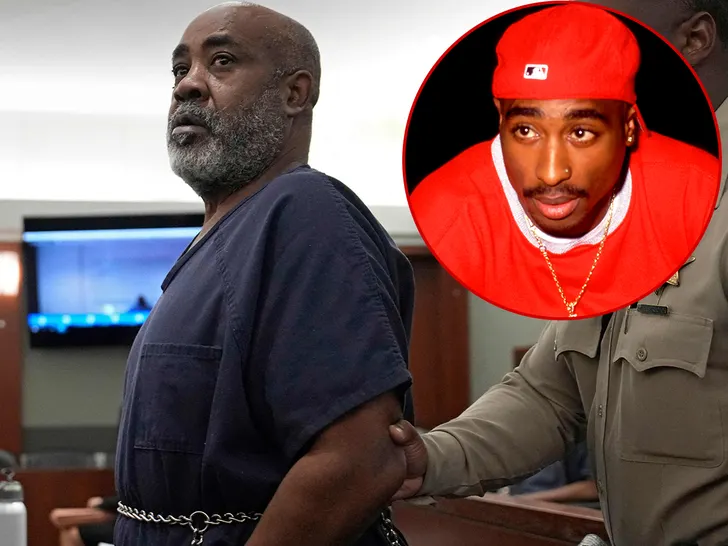
Prison officials in Nevada have moved Duane “Keffe D” Davis, the man convicted of planning the 1996 killing of music star Tupac Shakur, to a high-security penitentiary. The relocation comes shortly after the 63-year-old learned his final punishment from the trial judge. With court proceedings in the initial phase now finished, tupac murder convict keffe d was transferred away from the local jail in Las Vegas to start serving his lengthy penalty at High Desert State Prison, situated within the greater Las Vegas metropolitan area.
The transfer follows a judicial order handed down on October 13, which mandated that Davis spend at least 40 years to life behind bars. That severe sentence was imposed after a jury reached a verdict in August, finding the defendant guilty of first-degree murder for his central participation in the deadly ambush. Correctional authorities carried out the relocation under tight security arrangements, moving him from the municipal detention center into the state prison system where inmates facing decades-long terms are held.
State prosecutors built their case on evidence that Davis functioned as the mastermind who coordinated the deadly ambush on the Las Vegas Strip nearly three decades ago. During the trial, government lawyers argued that Davis arranged the attack to avenge a physical clash involving his nephew, Orlando “Baby Lane” Anderson. The conflict started earlier that night inside the MGM Grand hotel and casino, where Shakur and several associates in his crew jumped Anderson in a public concourse shortly after a major boxing match had concluded.
Following that brawl inside the casino complex, tensions escalated rapidly onto the illuminated streets of Las Vegas. Shakur later departed the venue, riding as a passenger in a BMW automobile steered by Death Row Records co-founder and music executive Suge Knight. The fatal confrontation occurred on September 7, 1996, when a vehicle pulled up beside their car at an intersection and an occupant fired multiple rounds inside. Shakur sustained grave wounds in the attack and battled for his life in a nearby hospital for nearly a week before he succumbed to his injuries on September 13 at the age of 25.
For almost thirty years, the drive-by shooting hung over the American music industry and local law enforcement as one of the most famous unsolved homicides in modern history. Detectives pursued numerous leads, theories circulated in the public, and fans across the world followed the cold case as years turned into decades without formal charges against anyone. The breakthrough finally arrived when authorities focused directly on Davis, resulting in him becoming the lone suspect ever criminally indicted and prosecuted for the fatal shooting of the celebrated artist.
Throughout the legal battle, Davis denied that he bore legal responsibility for the violence that claimed Shakur’s life. His defense attorneys maintained his innocence during the court proceedings, offering counterarguments to the narrative presented by the district attorney. Even after the jury returned a guilty verdict and the court imposed the life term, the legal team confirmed that they intend to challenge the outcome through appellate courts, seeking to overturn the first-degree murder conviction.
The relocation to High Desert State Prison marks the start of Davis’s permanent incarceration inside Nevada’s state correctional network. The facility is designed to detain individuals convicted of grave violent crimes who require close supervision and stringent containment. For long-time observers of the case and relatives of Shakur, the movement of Davis into maximum security represents a concrete conclusion to the trial phase of a saga that has gripped hip-hop culture since the late 1990s.
While the physical movement of the prisoner concludes his stay in local custody, the broader legal dispute remains active on the court docket. The defense team is preparing formal appellate briefs in an effort to contest both the handling of the murder trial and the substantial sentence handed down in October. Those pending court filings will represent the next official step for Davis as he begins serving his time inside the state penitentiary.

Reporter at 03naija.com.










Join the conversation