
CAF restores afcon schedule to biennial format after reversing four‑year plan
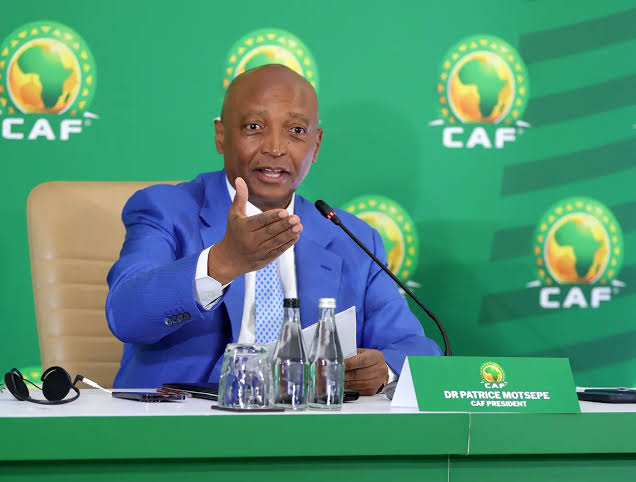
The Confederation of African Football (CAF) announced on Thursday that the afcon schedule will return to its traditional two‑year rhythm, undoing a previous decision to hold the Africa Cup of Nations every four years. The reversal was approved unanimously by CAF’s Executive Committee on 29 October, following months of debate over how often the continent’s premier football competition should be staged.
In a statement posted on CAF’s website, President Patrice Motsepe explained that the move was taken “in the interest of African football, the confederation’s 54 member associations and African players employed by Football Clubs outside Africa.” He show that a biennial tournament better advances, protects and promotes the sport across the continent, echoing the sentiment of many national federations that rely on regular competition to maintain visibility and revenue.
Motsepe also warned that the proposed Africa Nations League, which was meant to mirror the AFCON format and occur every two years, would not deliver the financial and developmental benefits expected in the short term. He said the new tournament “would not provide the required support for African football in the immediate future,” casting doubt on its ability to replace the established championship. This concern helped shape the Executive Committee’s decision to keep the AFCON cadence unchanged.
Under the revised calendar, the next edition of the competition is slated for 2027, with Kenya, Tanzania and Uganda set to host a joint tournament. Motsepe expressed confidence in the East African trio’s capacity to stage a successful event, noting that the three countries have demonstrated the infrastructure and organizational experience needed for such a large‑scale undertaking. The joint bid also reflects CAF’s broader strategy of encouraging regional cooperation and spreading the economic boost of hosting duties beyond a single nation.
Beyond the logistical aspects, Motsepe highlighted the cultural significance of the tournament. He described AFCON as “more than a football competition,” emphasizing its role in showcasing Africa’s rich and diverse cultures, customs and traditions. The event, he said, brings together fans from the continent’s 54 countries, the diaspora and worldwide audiences, turning sport into a platform for unity and celebration. This cultural framing aligns with CAF’s long‑standing narrative that the tournament is a showcase of African identity as much as sporting excellence.
The decision arrives at a time when African players increasingly ply their trade in Europe and elsewhere, making the timing of continental competitions a delicate balance. A two‑year cycle allows players to participate without clashing severely with club commitments, preserving the quality of squads and maintaining fan interest. It also gives national associations a more predictable schedule for planning qualifiers, friendlies and youth development programs, which can be crucial for long‑term growth.
Looking ahead, CAF’s Executive Committee will monitor the implementation of the revised schedule and the performance of the 2027 joint hosts. The confederation indicated that further assessments of the Africa Nations League will continue, with the aim of eventually delivering a competition that complements AFCON rather than competing with it. Stakeholders, including sponsors and broadcasters, are expected to adjust their contracts and marketing plans to reflect the restored biennial rhythm, ensuring that the financial ecosystem surrounding African football remains stable.
The reinstated afcon schedule marks a return to familiarity for players, fans and administrators alike, reaffirming CAF’s commitment to a format that supports the sport’s development while celebrating the continent’s cultural tapestry. The next steps involve finalizing the 2027 host arrangements and preparing the qualifying process, with CAF promising updates as preparations progress.

Reporter at 03naija.com.











Join the conversation