
Acecore Prize: Lagos Startup Takes Home $10,000 Victory at TC Battlefield 2026
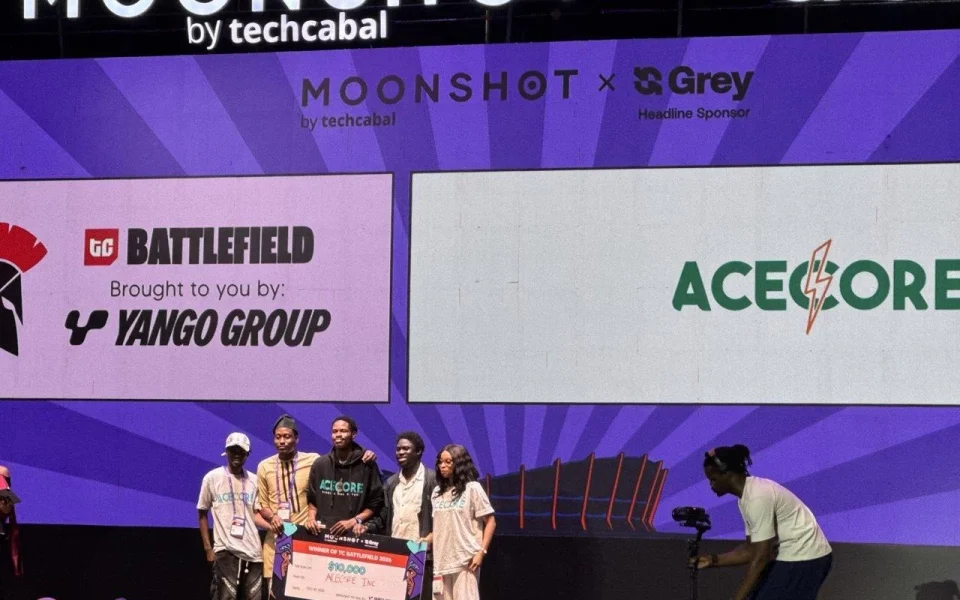
Acecore, the Lagos‑based startup that designs home energy storage systems, walked away with the acecore prize of $10,000 after clinching first place at the TC Battlefield 2026 event organised by Moonshot and TechCabal on Thursday, October 29. The competition, held in Nigeria’s commercial capital, gathered ten finalists from a range of sectors, but the top three spots went to companies that manufacture physical products rather than software. In second place, Supplya earned $5,000, while maritime‑robotics venture Navidyn took home $2,500 for third‑place finish.
Founder and chief executive officer Caleb Iwuoha addressed the panel of judges during the Wednesday finals, emphasizing that both the battery casing and the management software were “all built here in Nigeria by our very own hands.” Acecore markets a home battery unit together with a smart socket that lets owners switch appliances on or off remotely. The company claims its offering costs more than 20 percent less than comparable imported systems, and a partnering bank enables customers to spread payments over several instalments.
The judges, Folakemi Osho of HoaQ, Elijah Shokenu of SWIT, Kosen Kenta of Antler and Adeniyi Adebayo of Yango Group, probed Iwuoha on pricing after noting that Chinese‑made units arrive in Nigeria at a similar price point. Iwuoha responded that Acecore’s starting price is about $5,250 and that the firm enjoys a 62 percent margin on each sale. If the margins can be sustained despite competition from imports, the startup hopes to demonstrate that domestically produced hardware can compete on cost as well as narrative.
Nigeria’s market for power hardware is heavily reliant on imports, with the energy think‑tank Ember reporting that 1,721 megawatts of solar panels were brought in from China in the twelve months to June 2025, making the country Africa’s second‑largest importer after South Africa. Imported hardware often carries high freight costs and foreign‑exchange pressures, which translate into higher prices for end‑users. Against this backdrop, Acecore’s locally assembled system represents an effort to shift part of the supply chain homeward, potentially reducing foreign exchange outflows and creating skilled manufacturing jobs.
The ten finalists that vied for the prize included Growwr, Kuraway, Fertitude, Lena, QiqiFarms, Riwe and Swiftway Shippers, alongside the three podium finishers. While many of the entrants focused on software‑driven solutions, the success of Acecore, Navidyn and Supplya show a growing appetite among investors for tangible products that can address Nigeria’s infrastructure gaps.
Navidyn, which builds underwater robots for offshore oil‑and‑gas inspections, used its podium slot to argue that Africa should now invest in advanced AI and robotics after years of focus on fintech, logtech and agritech. Its co‑founders told the judges that a Sahara Group representative had already secured a $5,000 inspection contract even before the product was fully ready. The company’s pitch highlighted how hardware can unlock new revenue streams in sectors such as energy, where remote monitoring and inspection are becoming essential.
Supplya, the runner‑up, reported having extended more than $150,000 in credit to informal retailers since October 2024, with a repayment rate of 98 percent. By providing stock on credit, the firm helps small shop owners manage cash flow, a chronic challenge in Nigeria’s informal economy. The high repayment figure suggests that the credit model is working, and the prize money will allow Supplya to expand its reach to more underserved merchants.
In addition to the monetary prizes, Acecore, Navidyn and Supplya earned places in Antler’s residency programme, which offers up to $250,000 in pre‑seed funding for promising ventures. The residency aims to help startups refine their business models, scale operations and attract further investment. For hardware‑focused companies like Acecore, the programme could provide the capital needed to expand manufacturing capacity and meet growing domestic demand for reliable, affordable energy storage.
The Antler residency also brings mentorship from seasoned entrepreneurs and access to a network of potential investors. Such support is especially valuable for hardware startups, which typically face higher upfront costs for prototyping, tooling and compliance compared to software firms. By securing a spot in the programme, Acecore gains a pathway to bridge the gap between a functional prototype and mass production.
The success of two out of three podium positions by firms building tangible products signals a modest shift in Nigeria’s startup ecosystem, where software solutions have traditionally dominated because of lower development costs. Observers note that if Acecore can maintain its reported margins while competing with imported alternatives, it may open the door to more entrepreneurs to pursue hardware development despite the higher upfront investment required.
Industry analysts point out that the Nigerian government has recently rolled out incentives to boost local manufacturing, including tax breaks and subsidies for companies that produce renewable‑energy equipment. While these policies are still in early stages, they align with the narrative presented by Acecore and its peers: a move toward self‑reliance in critical sectors.
Looking ahead, the winners have outlined concrete next steps. Acecore plans to leverage the Antler residency to increase production volume, negotiate bulk component purchases and further embed its financing model with partner banks. Navidyn intends to use its prize and residency support to accelerate the commercialization of its underwater inspection robots, aiming to secure more contracts with offshore oil operators. Supplya will channel its award into expanding its credit platform, reaching additional informal retailers across Lagos and other states.
All three companies will also continue to engage with the judges’ feedback, particularly around pricing strategy and unit economics, as they scale. The judges, who represent a mix of venture capital, corporate and accelerator backgrounds, will likely monitor the startups’ progress through the Antler programme and may consider follow‑on investment if the firms demonstrate sustainable growth.
The TC Battlefield 2026 competition thus not only handed out cash prizes but also spotlighted a nascent hardware movement in a market long dominated by imported tech. As the winners move from prototype to production, their trajectories will be watched closely by investors, policymakers and fellow entrepreneurs eager to see whether locally built hardware can truly compete on price, performance and scale.















Join the conversation