
Russia‑Africa Trade Push: Putin Pledges $50 bn Boost Amid Growing Global Competition
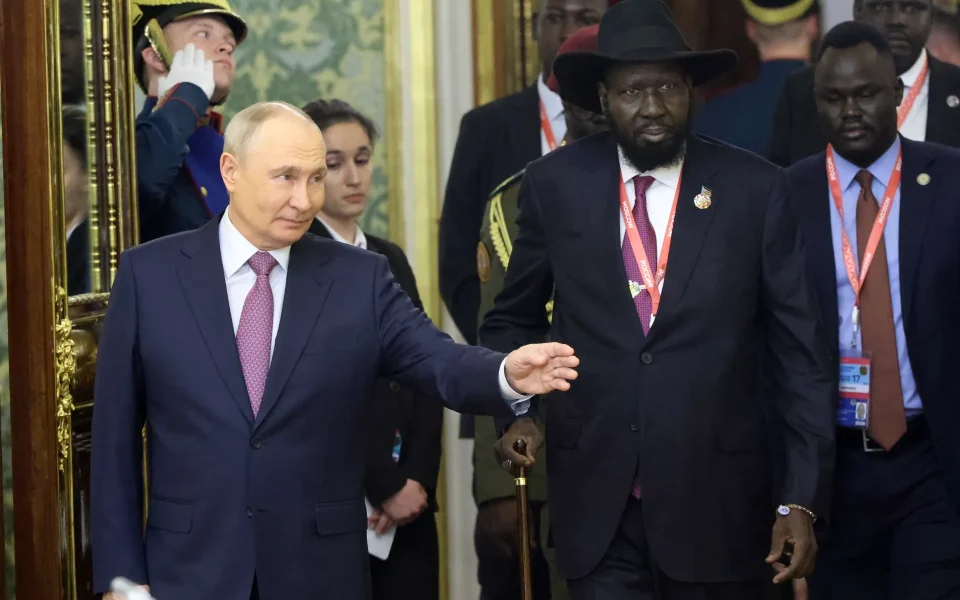
At a high‑profile summit in Moscow on 4 November 2026, President Vladimir Putin announced an ambitious drive to reshape Russia‑Africa trade, aiming to push the total value of exchanges with the continent beyond $50 billion. The pledge, framed as a direct response to what Putin described as “debt bondage” imposed by Western powers, positioned the initiative as a chance for African nations to secure a “fairer deal” that goes beyond simple commodity sales.
The gathering brought together heads of state, ministers and senior officials from across the continent. Delegates used the occasion to probe how Moscow’s broad portfolio of offers could be turned into tangible growth for local industries, technology transfer and new jobs. In his remarks, Putin listed grain shipments, defence equipment, nuclear‑energy projects and the construction of factories as the main pillars of the proposed partnership. He suggested that Russia could supply not only raw materials but also the technical know‑how required to build and run these facilities, positioning Moscow as a full‑service partner rather than a mere supplier.
While the rhetoric was expansive, recent trade data paint a more modest picture. Russia’s total trade volume with all of Africa remains lower than its exchange with the neighboring post‑Soviet state of Belarus. Analysts note that earlier promises of expanded commercial ties have often fallen short, leaving many African leaders skeptical about the feasibility of hitting the $50 billion target within a short horizon. The historical record show a gap between Moscow’s stated ambitions and the actual scale of its economic engagement on the continent.
African delegates at the summit stressed that raw numbers alone would not satisfy their development goals. Representatives from several countries called for a larger share of the profits generated from Africa’s natural resources and for genuine technology transfer that would enable local manufacturing. Ministers recounted past experiences where foreign investment produced limited benefits for domestic economies, arguing that value‑addition, turning raw exports into finished products, must become a central condition of any new Russian deal.
The timing of the pledge is shaped by the increasing weight of sanctions on Moscow. As Western markets tighten, the Kremlin is actively seeking new outlets for its goods and sources of raw materials essential to its own industries. Africa, with its abundant agricultural, mineral and energy resources, offers a strategic avenue for diversification. Putin’s statement hinted that African states could leverage Russia’s heightened need for partners to negotiate terms that are more advantageous than those offered by other global powers.
Think‑tank experts caution, however, that delivering on such an expansive promise will depend on logistical capacity and the resilience of supply chains spanning thousands of kilometres. Russia’s existing infrastructure for shipping grain, delivering military hardware or constructing nuclear facilities is already strained by sanctions and internal challenges. The ability to move large volumes of equipment and expertise to distant ports, while maintaining quality and safety standards, remains a critical hurdle.
Competition adds another layer of complexity. The United States, China and the European Union each pour billions of dollars into African development projects, ranging from infrastructure to digital connectivity. Their deep financial reserves and established networks give them a head start in securing contracts and building long‑term partnerships. Moscow will need to demonstrate that its offers are not only financially attractive but also come with reliable implementation pathways if it hopes to win over skeptical African leaders.
In response to the summit’s announcements, several African heads of state asked for concrete timelines and transparent monitoring mechanisms. They urged Moscow to move beyond rhetoric and produce detailed investment plans that specify financing structures, technology‑sharing agreements and workforce‑training programmes. The tone of the requests was cautious yet hopeful, reflecting a desire to engage with Russia while ensuring that any partnership aligns with national development strategies and safeguards sovereign interests.
As the conference drew to a close, the Kremlin announced that a follow‑up delegation would travel to key African capitals in the coming months. The next phase will involve drafting bilateral agreements that outline the scope of trade, investment flows and capacity‑building initiatives. These documents are expected to detail the specific projects, whether grain processing plants in West Africa, defence cooperatives in the Sahel, or nuclear‑energy pilot schemes in North Africa, along with milestones for delivery and evaluation.
While the $50 billion target remains aspirational, the coming weeks will test whether Moscow can translate its broad pitch into actionable partnerships. Success will hinge on the ability to align Russian supply‑side capabilities with African demand for industrialisation, on overcoming logistical bottlenecks, and on offering transparent, mutually beneficial terms that stand up to the intense competition from other global actors. If the promised trade boost materialises, it could reshape the economic landscape of Russia‑Africa relations and provide a new model of South‑South cooperation; if not, the pledge may join a list of past ambitions that failed to move beyond the headline.









Join the conversation