
Iran Supply Routes Disrupted as Blasts Ring Out in Qeshm and Bandar Abbas
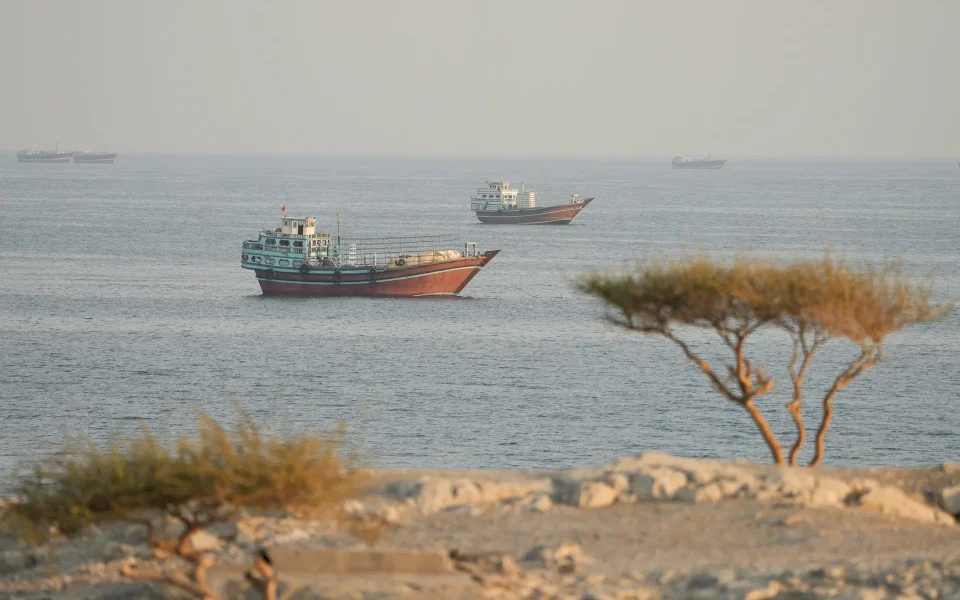
The sound of blasts echoed across Iran’s strategic Qeshm Island in the Strait of Hormuz and in the coastal cities of Jask, Sirik and Bandar Abbas on Thursday, Iranian state media reported, while the United States announced a new initiative to block Iran’s land‑based supply routes. The incidents coincided with a statement from U.S. Central Command that a task force had been formed to disrupt the flow of goods moving overland into Iran, adding another dimension to the months‑long naval blockade that has choked the country’s ports.
Residents who live close to the reported explosion sites told local reporters that a sudden, loud noise was followed by a plume of smoke that rose quickly from the affected area. Some described a feeling of shaking, while others said the blast could be heard several kilometres away. Although local authorities have not released official casualty figures, officials confirmed that emergency crews were dispatched within minutes to assess damage and to secure the perimeter. In the Qeshm region, which sits at a maritime chokepoint through which a large share of the world’s oil passes, the blasts have raised fresh concerns about the safety of shipping lanes that are already under intense scrutiny.

In Bandar Abbas, the provincial capital and a key hub for Iran’s maritime trade, officials urged citizens to remain indoors while security forces stepped up patrols throughout the city. The heightened presence of police and military units is intended to reassure the public and to deter any further incidents. Local leaders emphasized that the explosions were not linked to any known terrorist organization, and they asked the public to refrain from speculation until a full investigation is completed.
The same day, U.S. Central Command announced the creation of a task force dedicated to targeting Iran’s overland supply chains. The move is described as an effort to “disrupt Iran’s land‑based supply routes,” extending the pressure that has already been applied through a naval presence in the Strait of Hormuz. According to the statement, the task force will coordinate with allied partners to monitor and interdict trucks, trains and other transport methods that move sanctioned commodities into Iran. No specific timeline was given for when the new operations would commence, but officials indicated that the initiative is already underway.
The expansion of U.S. pressure comes after months of diplomatic tension over Iran’s nuclear programme and its involvement in regional conflicts. Washington’s naval blockade, which began earlier this year, has limited the flow of oil and other exports through the Strait of Hormuz, a vital artery for global energy markets. By adding a land‑focused component, the United States aims to tighten the economic squeeze on Tehran, which has relied on overland routes through neighbouring countries to bypass maritime restrictions. Analysts note that disrupting these corridors could further strain Iran’s ability to fund its military and proxy activities, as well as affect ordinary citizens who depend on trade for their livelihoods.
Iran’s foreign ministry responded swiftly, condemning the U.S. actions as “illegal and aggressive,” and calling the plan a violation of international law. A spokesperson warned that Tehran would “take all necessary measures to protect its sovereignty and national interests.” The diplomatic backlash reflects a broader pattern of mutual accusations that has characterised the relationship between the two capitals since the early 2000s.
The cities where the blasts were reported, Qeshm, Jask, Sirik and Bandar Abbas, are all situated along Iran’s southern coast, an area that serves as a gateway for both maritime and overland commerce. Qeshm Island, in particular, hosts a free‑trade zone and is a focal point for container traffic bound for inland markets. Jask and Sirik are smaller ports that support fishing and regional trade, while Bandar Abbas houses the country’s largest seaport and the main hub for oil shipments. Disruption in any of these locations can ripple through supply chains that extend far beyond Iran’s borders.
Neighbouring countries such as Iraq, Afghanistan and Pakistan serve as key transit points for goods moving into Iran, and any disruption to these routes could have ripple effects on their economies. Regional trade groups have expressed concern that heightened scrutiny of overland shipments may lead to delays and increased costs for merchants operating across the border. Humanitarian organizations warned that tighter controls could also impede the delivery of essential supplies, including food and medical aid, to vulnerable populations within Iran. While the United States frames the task force as a means to enforce sanctions, the broader impact may be felt by traders and civilians who rely on the same corridors for legitimate commerce.
The notion of a combined maritime and land‑based pressure strategy is not new in international sanctions practice, but its implementation in the Persian Gulf region carries particular weight. The Strait of Hormuz handles an estimated one‑fifth of the world’s petroleum passing through, making any disturbance there a matter of global interest. Adding overland interdiction means that even if ships manage to deal with the strait, the goods they carry could still be halted before reaching inland destinations. This dual‑front approach seeks to close loopholes that have allowed sanctioned items to flow via trucks and trains crossing into Iran from the east.
Observers note that the combination of maritime and land‑based pressure points may force Tehran to seek alternative pathways or negotiate concessions. Some experts suggest that Iran could look to expand its own logistical networks, perhaps by strengthening ties with allied neighbours or by developing covert routes that are harder to monitor. Others argue that the increased enforcement could push Tehran toward diplomatic overtures aimed at easing sanctions in exchange for compliance on its nuclear and regional policies.
As the situation unfolds, the next steps will likely involve diplomatic channels as well as continued monitoring by both Iranian and international security agencies. For now, the focus remains on assessing the immediate impact of the explosions, ensuring public safety in the affected cities, and watching how the newly announced U.S. task force operationalises its mandate to block Iran’s supply routes. The coming days will reveal whether the twin pressures of sea and land will translate into a measurable shift in Iran’s trade patterns or whether they will simply add another layer of complexity to an already fraught regional landscape.














Join the conversation