
Tinubu ibadan rally highlights APC’s push for 2027 election agenda
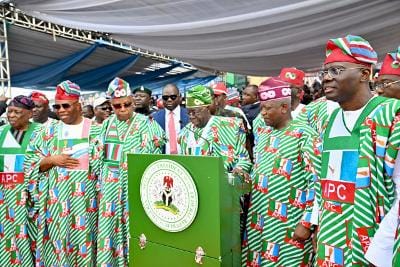
President Bola Tinubu took to the streets of Ibadan on Saturday, using the tinubu ibadan rally to pitch the All Progressives Congress’s (APC) platform ahead of the 2027 general elections. The gathering, attended by thousands of party faithful and local dignitaries, featured the president’s latest promises on electricity, education, agriculture and industrial development. Tinubu also unveiled a plan to revive the long‑dormant Leyland automobile assembly plant, a move aimed at spurring manufacturing jobs in the southwest. The rally, held at the historic Ibadan Civic Centre, came as the APC seeks to cement its support base for a second term in office.
In his address, Tinubu emphasized the need for reliable power supply, promising to accelerate projects that would connect more households to the national grid. He linked electricity reforms to broader economic growth, noting that stable power is essential for small‑scale enterprises and large‑scale factories alike. “Our people deserve lights at night, not darkness,” he said, a line that resonated with an audience that has long complained of frequent outages. The president also pledged to boost funding for schools, arguing that education must be the engine of the nation’s future. He highlighted new scholarships and infrastructure upgrades, suggesting that the government would work with private partners to deliver modern classrooms across the federation.

Agriculture featured prominently in the speech, with Tinubu pledging to increase subsidies for farm inputs and expand access to credit for rural producers. He pointed to the potential of the southwestern states, including Oyo, to become food baskets for the country, provided that the government removes bottlenecks in the supply chain. The president’s remarks on industrial development centered on the revival of the Leyland assembly plant, a facility that once produced vehicles for the Nigerian market before shutting down decades ago. Tinubu promised to attract investment to refurbish the plant, create skilled jobs and reduce dependence on imported cars. He called the initiative “a catalyst for home‑grown industry” and urged local entrepreneurs to partner with the government in the venture.
Political analysts note that the tinubu ibadan rally serves as a barometer of the APC’s strategic direction as it gears up for the 2027 elections. By focusing on tangible issues such as power, schooling and jobs, the party aims to counter opposition narratives that paint the incumbent administration as out of touch. The rally also provided a stage for senior APC figures to endorse Tinubu’s candidacy, reinforcing party unity ahead of the campaign season. Several state governors and legislators used the occasion to reaffirm their loyalty, signalling that the party’s internal dynamics remain stable despite recent defections in other regions.
The event also attracted a wave of campaign donations, though the source text mentions broader discussions about the Electoral Act’s limits on contributions. While specific figures were not disclosed at the rally, observers say that fundraising remains a critical component of the APC’s election machinery. The party’s ability to mobilize resources will be tested as it prepares for a tightly contested race against the main opposition, which has been rallying its own support base in the north and the southeast.
Beyond the political stage, the tinubu ibadan rally highlighted the role of the Ibadan electorate in shaping national outcomes. The city, a historic commercial hub, has long been a bellwether for southwestern sentiment. Residents who attended the rally expressed optimism about the president’s promises, especially the prospect of reviving the Leyland plant, which they see as a chance to curb youth unemployment. However, some critics cautioned that past promises on power and education have not fully materialized, urging the administration to deliver concrete results rather than rhetoric.
The APC’s strategy, as gleaned from the rally, appears to blend policy pledges with symbolic gestures aimed at reconnecting with grassroots supporters. By anchoring its message in Ibadan, Tinubu hopes to tap into the city’s political heritage and showcase a commitment to delivering on long‑standing development goals. The rally’s timing, just months before the party’s national convention, suggests that the leadership is keen to consolidate momentum and test the resonance of its agenda with key voters.
As the 2027 general elections draw nearer, the tinubu ibadan rally will likely be remembered as a milestone in the APC’s campaign calendar. The party now faces the task of translating speeches into actionable programs, particularly in the sectors of electricity, education and manufacturing. Upcoming weeks will see the APC rolling out detailed policy papers, while opposition parties prepare counter‑offers. Observers expect that the next major political gathering will either reinforce the momentum built in Ibadan or expose cracks in the party’s outreach.
The final phase of the campaign season will involve intensive grassroots mobilization, with the APC planning town‑hall meetings across the federation to gauge public reaction to the promises unveiled in Ibadan. Tinubu’s team has indicated that a follow‑up schedule will be released shortly, outlining visits to key states and further engagements with community leaders. The outcome of these efforts will shape the narrative leading up to the election day, where the APC hopes its Ibadan promises will translate into votes across Nigeria.













Join the conversation