
IFC pushes cash flow lending to boost African MSMEs
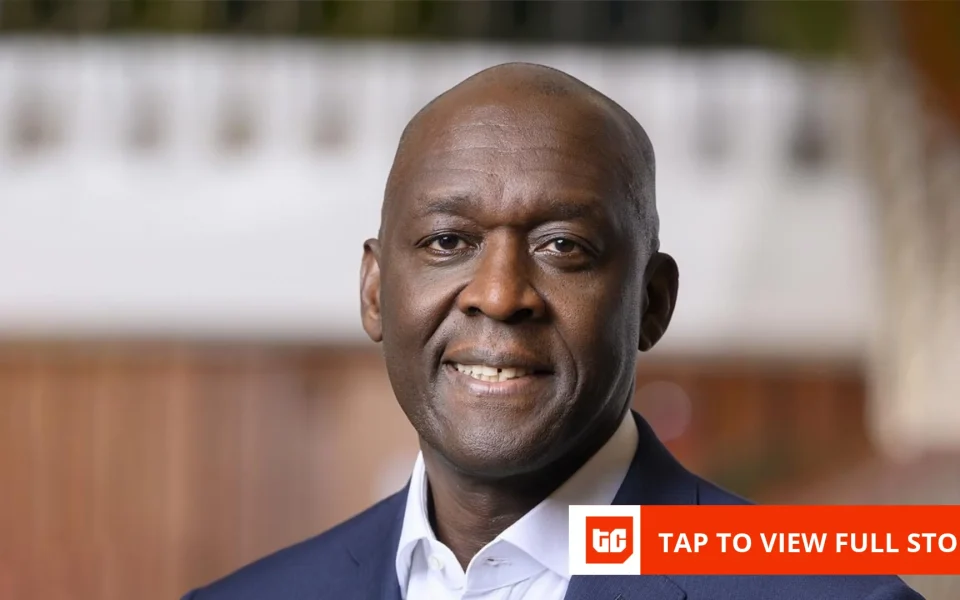
At the Africa Financial Industry Summit in Luanda on Tuesday, Makhtar Diop, managing director of the International Finance Corporation, called for a shift toward cash flow lending as a way to open financing for micro, small and medium‑sized enterprises across the continent. Speaking to central bank governors, finance ministers and commercial‑bank executives, Diop warned that short‑term dollar debt and over‑leveraged balance sheets are choking African firms and threatening the creation of jobs for a rapidly expanding youth population. He said the continent’s projected 4.5 percent growth, while respectable amid global headwinds, is not enough to absorb millions of new entrants into the labour market.
Diop’s address painted a stark picture of the structural capital mismatch that hampers African competitiveness. He argued that the real barrier is not a lack of domestic savings but the scarcity of financial products that can channel those savings into productive enterprises. Drawing on consultations with private‑sector operators, he identified five distortions that force firms to fund long‑term investments with short‑term bank facilities, push companies into excessive leverage, and compel them to borrow in US dollars while earning revenues in weakening local currencies. He added that limited corporate bond issuance prevents pension funds and other institutional investors from backing domestic firms, and that unpredictable regulatory changes deter multi‑year capital deployment.
One of the most striking observations from Diop’s speech was the cultural gap between public administrations and the private sector. “In many countries, public administrations still do not see themselves as being there to serve the private sector,” he said, noting that businesses often struggle to convince civil servants that they are partners in job creation. To bridge this divide, he proposed the creation of permanent national “Private Sector Councils” that would give heads of state and finance ministries real‑time feedback on how commercial laws affect businesses on the ground, and recommend rapid corrective actions.
A central element of the IFC’s African agenda, according to Diop, is the dismantling of traditional collateral requirements that have long excluded informal and emerging firms. Historically, African banks have based credit decisions on immovable assets such as real estate, a practice that automatically bars most MSMEs from accessing finance. Diop announced that the IFC is pivoting toward non‑bank financial intermediaries, leveraging fintech platforms and digital telematics to underwrite loans based on observable cash flow rather than fixed property. “We want to move from lending based on collateral towards lending based on cash flow,” he said. “Data is the new gold. That is why the fintech agenda is so important for IFC.”
The corporation is also expanding its exposure to local currencies to protect borrowers from exchange‑rate volatility. Currently about 35 percent of the IFC’s continental commitments are disbursed in local currencies, and internal targets aim to raise that share substantially. Under the “IFC 2030 Strategy,” the World Bank Group’s private‑sector arm has re‑engineered its balance sheet to act as a catalyst for private co‑investment, mobilising $3.4 of commercial capital for every dollar it deploys. Five years ago the IFC managed roughly $33 billion in financing; today annual commitments exceed $100 billion, with Africa accounting for roughly a quarter of the global portfolio. Diop set a goal to lift the African mobilisation ratio from the current $1.50 per dollar deployed to a 5‑to‑1 ratio in the coming years.
To tap offshore institutional liquidity, the IFC is relocating staff to major financial hubs such as London, New York, Tokyo, Frankfurt and Sydney. Dedicated investor‑relations teams are tasked with channeling sovereign wealth funds and large asset managers into African equity funds, infrastructure corridors and clean‑energy projects. The Multilateral Investment Guarantee Agency, the World Bank Group’s political‑risk arm, has already met its $25 billion guarantee target years ahead of the 2030 deadline, offering risk‑mitigation tools that reassure private investors venturing into volatile markets.
Domestically, the IFC is supporting the consolidation of African commercial banking through its Local Champions Initiative, helping indigenous and regional lenders fill the void left by multinational banks that have withdrawn over the past decade. In Angola, where public debt has been curbed and inflation reduced to 8.43 percent, Diop confirmed he will sign two direct‑financing agreements with local agricultural firms this week, aiming to strengthen food security and lower dependence on imports. Regionally, IFC Vice President for Africa Ethiopis Tafara is working with African Development Bank President Dr Sidi Ould Tah to coordinate with sovereign wealth funds and institutional asset managers, mobilising long‑term capital for trade and transport corridors across the continent.
As global liquidity tightens, Diop’s remarks in Luanda signal an end to reliance on traditional concessionary aid. The emphasis on cash flow lending, fintech integration and local‑currency financing reflects a broader strategy to convert domestic savings into real‑economy employment. The next steps involve finalising the proposed private‑sector councils, expanding fintech underwriting pilots, and scaling up local‑currency commitments, all aimed at delivering the jobs that Africa’s young population urgently needs.











Join the conversation