
Supermarket freezer hack rattles UK meat suppliers amid wider European cyber‑attacks
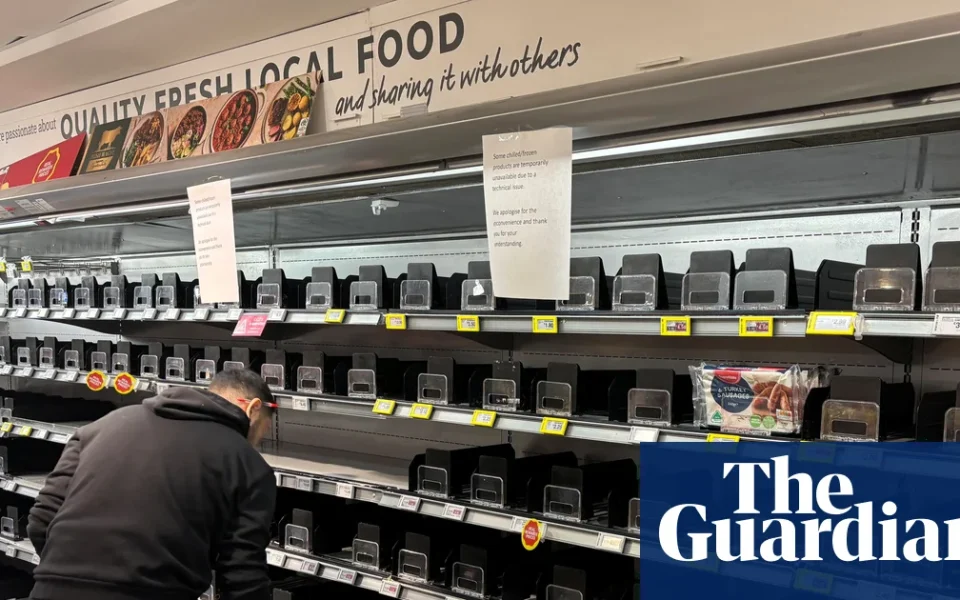
The recent “supermarket freezer hack” that sent temperatures soaring in refrigeration units across several European nations has now spilled over into the United Kingdom, jolting meat suppliers that rely on cold‑chain logistics. While no grocery chain in the UK has reported a direct loss of stock, the National Cyber Security Centre (NCSC) confirmed that a number of meat‑handling firms were affected and that the overall impact on the national food supply remains limited.
The incidents were first reported on Monday in Belgium, Estonia, Ireland, Finland, Luxembourg, the Netherlands and Sweden, where some freezers registered temperatures as high as 50 °C (122 °F). In the UK, the rise in temperature was even more extreme for a few suppliers: one firm said a cold unit reached 100 °C, and two others noted that their equipment began to defrost. All of the affected units were empty at the time, meaning no meat products were spoiled and consumers have not faced shortages on supermarket shelves.
Paul Chichester, director of operations at the NCSC, addressed the matter during a press briefing that coincided with the agency’s annual review launch. He confirmed that the centre is in close contact with the companies that have reported anomalies. “We’re aware of those incidents in the UK, and obviously we’re working with the affected organisations. We’ll keep monitoring that. At the moment, the impact is minimal,” he said. The NCSC, which operates under the umbrella of the GCHQ intelligence service, is also undertaking a sweep of other refrigeration and cold‑storage facilities to locate similar vulnerabilities before they can be exploited further.
The British Association of Independent Meat Suppliers (Aims) told the BBC that more than 300 of its members were surveyed after the attacks, and a subset of those respondents confirmed abnormal temperature spikes. The association’s statement stressed that the units in question were vacant, so no produce was lost, and reiterated that the incidents, while unsettling, have not translated into any consumer‑facing shortages.
Cyber‑security specialists say the attacks were aimed at “dummy” fridge controls deliberately placed online as honeypots to attract would‑be hackers. Lupovis, a cyber‑defence firm that set up these traps, recorded 256 attempted intrusions from 91 distinct sources between 20 October and 30 October. The honeypots mimicked real Danfoss refrigerator controllers, and the majority of the login attempts used the manufacturer’s publicly documented factory‑default usernames and passwords, credentials that have been publicly available for years and are often left unchanged on devices that remain connected to the internet.
Xavier Bellekens, chief executive of Lupovis, explained that many of the probing attempts originated from “bulletproof” hosting providers. These are internet service companies that tolerate abusive traffic and make it hard for law‑enforcement agencies to shut down malicious operations. “What caught our attention was the overlap between infrastructure involved in the recent probing activity and infrastructure we have previously associated with Russian‑linked malicious operations,” Bellekens said. While he could not pinpoint a specific group, he noted that the pool of actors capable of mounting such coordinated attempts is relatively small and that the same hosting services have been used by Russian groups in the past.
The NCSC’s chief executive, Richard Horne, described the freezer incidents as the “foothills” of a broader cyber‑threat landscape. He warned that artificial‑intelligence tools are increasingly highlighting flaws in networks that owners may have neglected to patch, creating new opportunities for attackers. “There are so many vulnerabilities out there that … you could say are waiting to be exploited,” Horne said. The centre’s chief technology officer, Ollie Whitehouse, added that everyday domestic devices connected to the internet are becoming attractive targets. He called for manufacturers to embed stronger security measures in their equipment and for consumers to be prepared for higher prices if they want devices that are protected against such attacks.
The UK incidents follow a similar breach in France last month, where legacy supermarket refrigeration technology was accessed using default passwords. French authorities traced the problem to outdated equipment that remained online despite known security gaps. In the UK, however, no supermarket chain has yet reported a direct hit, and the NCSC maintains that the national impact remains limited. Nonetheless, the agency is urging all firms that operate Internet‑of‑Things (IoT) devices, particularly those involved in food handling, to conduct comprehensive audits, close exposed entry points and apply security patches without delay.
Industry observers note that the reliance on IoT devices in the cold‑chain sector has grown dramatically over the past decade. Sensors that monitor temperature, humidity and door activity are now standard in many warehouses and distribution centres, offering real‑time data that helps maintain product quality. Yet the same connectivity that provides operational insight also creates a potential attack surface if manufacturers do not enforce robust authentication. The default‑password issue highlighted by the recent attacks is a textbook example of how a simple oversight can be leveraged at scale.
In response, the NCSC plans to issue sector‑specific guidance aimed at hardening refrigeration controls. The forthcoming advice is expected to cover best‑practice standards for password management, firmware updates and network segmentation. The centre also intends to work with industry bodies and equipment manufacturers to retire insecure legacy systems and to promote the adoption of strong, unique credentials across all IoT devices.
As the investigation continues, the next steps involve a coordinated effort between the NCSC, Lupovis, and other cyber‑defence outfits to share threat intelligence and to monitor any resurgence of probing activity. Stakeholders are watching closely, aware that the supermarket freezer hack may be an early warning of more sophisticated attacks on critical supply‑chain infrastructure. The NCSC has not ruled out the possibility of future incidents, but it reiterated that swift mitigation measures are already underway to protect both the industry and the end consumer.















Join the conversation