
Ghe Ghe incident sparks debate after Broda Mike admits planning online clash
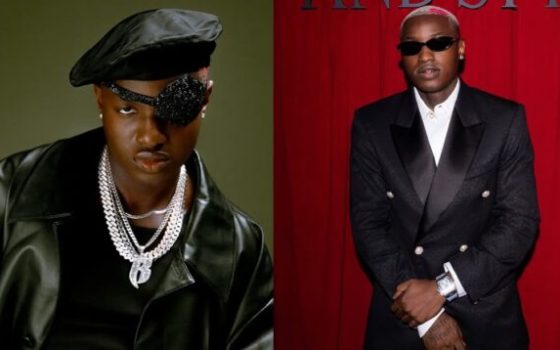
Broda Mike’s recent admission that he and internet personality Ghe Ghe deliberately staged the “ghe ghe incident” has set Nigerian social media abuzz. The claim emerged in a response posted by the rapper‑turned‑online commentator to criticisms from the user known as VeryDarkMan (VDM). In the post, Mike asserted, “I and Ghe Ghe planned that his sister should drag him online,” suggesting the confrontation involving Ghe Ghe’s sister was not a spontaneous fallout but a pre‑arranged piece of content.
The revelation came as a direct reply to VDM’s earlier accusation that Mike had aided Ghe Ghe when the latter’s sister allegedly dragged him into a heated online exchange. By turning the tables and saying the entire episode was orchestrated, Mike opened a new chapter in a saga that has already drawn a flurry of comments, memes, and speculation across Twitter and Instagram.
Reactions to the claim have been swift and varied. Some users have taken a skeptical stance, questioning the authenticity of Ghe Ghe’s earlier statements and the motivations behind the supposed “script.” One commentator, @Real_Giilo, posted a laughing emoji and asked, “Abeg wetin gheghe do vdm? 😂,” highlighting the bewilderment felt by many. Others, such as @Mazi_Chinonso1, offered a terse retort: “Ghe Ghe only advised him,” implying that Ghe Ghe’s involvement may have been limited to counsel rather than active participation.
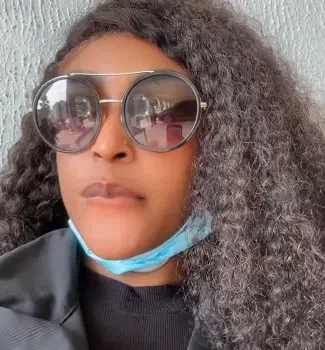
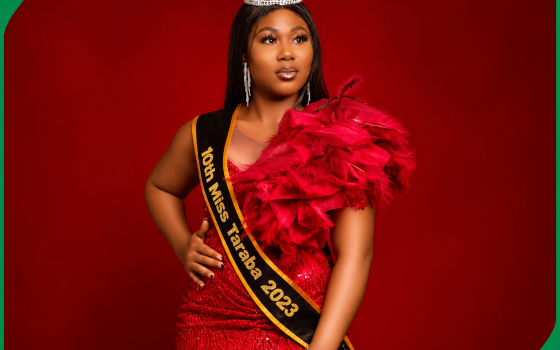
A separate thread of commentary focused on the financial angle. A user identified as @luckyspicy77 noted that “the sis don rush con talk say she no see 5m,” referring to an alleged claim that Ghe Ghe’s sister failed to receive a promised ₦5 million. This detail adds a layer of intrigue, suggesting that the financial element of the story may have diverged from any original plan. The mention of the missing sum fuels speculation that the sister’s public denial could either be a genuine grievance or a scripted twist meant to heighten drama.
Other voices entered the conversation with humor and derision. @mr_emmy10 dismissed the whole affair as fabricated content, stating, “Baba na lie nothing like content….Una think say we mumu are be.” Meanwhile, @PandEvoltage responded with a blunt “No be lie. We no send am,” affirming the belief that the incident was indeed staged. The varied tone of these comments show the polarized view of the online community, where some see the episode as clever marketing, while others view it as an unethical manipulation of audiences.
The “ghe ghe incident” is not an isolated case of planned online drama. In recent years, Nigerian influencers and content creators have increasingly turned to elaborate staged events to boost viewership, attract sponsorships, and generate viral moments. The practice, while lucrative, often blurs the line between authentic interaction and manufactured spectacle, raising ethical questions about transparency and audience trust. Industry observers note that the rapid rise of short‑form video platforms has intensified competition, prompting personalities to experiment with scripted confrontations and surprise revelations as a way to stand out in a crowded digital space.
Legal experts caution that while such staged content is not outright illegal, it can attract scrutiny if it involves deception, defamation, or financial fraud. In the case of the “ghe ghe incident,” the alleged promise of ₦5 million to Ghe Ghe’s sister could, if proven false, constitute a breach of contract or even fraud, depending on the specifics of any agreement. However, no formal complaint has been filed, and the parties involved remain in the realm of public discourse.
The broader public reaction mirrors a growing fatigue among Nigerians toward sensationalist online content. A recent survey by a local media watchdog indicated that a significant portion of internet users feel “content fatigue” and are calling for more genuine, informative material. This sentiment may explain why the admission by Broda Mike has sparked such vigorous debate, people are increasingly discerning about what they consume and share.
Social media platforms themselves have taken note of the controversy. While no official statement has been released by Twitter or its local partners, moderators are reportedly monitoring the hashtag #GheGheIncident for potential violations of community guidelines, especially those relating to misinformation and harassment. The platform’s algorithmic amplification of trending topics means that any further escalation could quickly reach a national audience, potentially prompting a response from regulatory bodies tasked with overseeing digital content.
As the discourse unfolds, the next steps remain uncertain. Broda Mike has not indicated whether he will provide additional details about the planning process, nor has Ghe Ghe publicly responded to the allegations. Observers anticipate that the two may either double down on the narrative to capitalize on the attention or retreat to avoid further scrutiny. Meanwhile, the sister’s claim about the missing ₦5 million may either be clarified through a private settlement or become another flashpoint if legal action is pursued.
For now, the “ghe ghe incident” serves as a reminder of the complex interplay between creativity, commerce, and accountability in Nigeria’s vibrant online ecosystem. As users continue to dissect each tweet and retweet, the story’s evolution will likely be tracked closely, with any new statements from the involved parties expected to shape the next wave of commentary.







Join the conversation