
Trump blames Iran war for midterm losses as Democrats take Congress
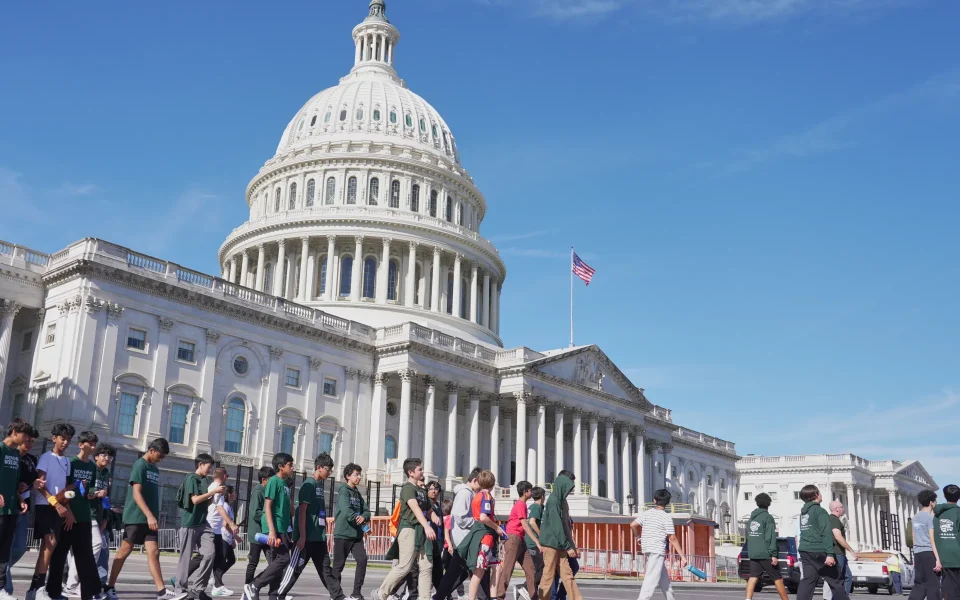
The 2026 midterm elections delivered a sweeping victory for Democrats, who now hold majorities in both the House of Representatives and the Senate, while President Donald Trump attributed the Republican setbacks to his ongoing war with Iran. The result, announced on November 4, 2026, marks a dramatic shift in the U.S. political landscape and has ignited discussion about the impact of foreign policy on domestic elections.
In the early hours of election night, media outlets reported that Democrats had secured enough seats to claim control of both chambers of Congress. The shift came after weeks of intense campaigning, with Republicans hoping to retain their grip on the legislative branch despite President Trump’s aggressive stance on Iran. As the vote tally progressed, the balance tipped decisively in favor of the Democratic Party, confirming a historic rebuke of the incumbent administration.

President Trump, addressing reporters shortly after the final counts were released, said he accepted the outcome but insisted that his foreign policy decisions, particularly the war with Iran, had played a significant role in the Republican defeat. “We have been at war with Iran for too long, and the American people are feeling the strain,” the president told a press corps in Washington, D.C. “That is part of why we lost many seats. I accept the result, but we must look at the policies that cost us dearly.”
The president’s comments were quickly echoed by senior advisers who noted that the ongoing conflict had diverted attention and resources away from domestic concerns. A senior White House official, speaking on condition of anonymity, said, “The Iranian war has been a major talking point in the last several months, and it certainly affected voter perception of the Republican agenda.” While Trump emphasized his acceptance of the results, he also hinted at future political maneuvers, suggesting that the administration would reassess its foreign policy priorities in the coming weeks.
Election analysts pointed to a combination of factors that contributed to the Democratic sweep. Demographic shifts in key swing states, higher turnout among younger voters, and a strong push on issues such as climate change and health care all played key roles. Moreover, the war with Iran, which escalated after a series of missile strikes earlier in the year, created a backdrop of uncertainty that many voters linked to the Republican platform. “When people are worried about national security and economic stability, they often look for change,” said a political science professor at a Washington university. “The Iran war added a layer of complexity that likely pushed undecided voters toward the Democrats.”
The new Democratic majority is expected to reshape the legislative agenda dramatically. With control of both chambers, the party can advance a range of bills that had previously stalled, including comprehensive climate legislation, expanded voting rights protections, and reforms to the health care system. Senate leaders have already begun outlining a timetable for upcoming votes, while House Democrats are preparing to introduce a budget that reflects their policy priorities.
Republican leaders, meanwhile, have called for a thorough review of the election outcomes and are preparing to contest several close races in future courts. A senior Republican strategist told reporters, “We will examine every district where the margin was razor‑thin and ensure that the process was fair and transparent.” The party also signaled an intention to focus on rebuilding its message, with particular attention to foreign policy. “We need to reconnect with voters on issues that matter to them, including national security,” the strategist added.
International observers noted that the election results could have implications beyond U.S. borders. The Iranian government, which has been under pressure from U.S. sanctions and military actions, responded through its state media by declaring the election outcome as a “clear indication of American public fatigue with foreign interventions.” While Tehran did not directly comment on Trump’s remarks, analysts interpret the statement as an attempt to capitalize on perceived U.S. domestic discord.
In Washington, the transition to Democratic control is already underway. Committee chairs are being reassigned, and the new leadership is setting up meetings with key stakeholders in the private sector and civil society. Advocacy groups have rushed to schedule briefings with the incoming Senate and House leaders, hoping to influence the legislative process early on. One environmental NGO highlighted the urgency of passing the Clean Air Act amendment, noting that “the window for meaningful climate action is narrowing, and a unified Congress provides a rare opportunity.”
The president’s reference to the Iran war also raises questions about ongoing military operations abroad. The Department of Defense confirmed that U.S. forces remain stationed in the Persian Gulf region, but officials declined to provide specifics about future deployment levels. A Pentagon spokesperson said, “Our military commitments are guided by national security interests, and we will continue to assess the situation in coordination with our allies.” The statement stopped short of indicating any imminent policy shift, leaving the next steps uncertain.
As the new Congress convenes in early January, both parties are bracing for an intense legislative session. Democrats plan to push forward with their agenda, while Republicans aim to regroup and challenge the administration’s foreign policy decisions. The interplay between domestic politics and international conflicts is set to dominate the national conversation for months to come.
In the coming weeks, the administration is expected to release a detailed review of the Iran war, outlining potential pathways for de‑escalation or continued engagement. Observers anticipate that the findings will shape not only foreign policy but also the political calculus for the Republican Party as it prepares for the next election cycle. The next steps, therefore, hinge on how quickly the president and his team can address the concerns raised by both the electorate and the legislative branch.













Join the conversation