
Silicon Valley rallies in jensen support after Nvidia CEO’s ouster
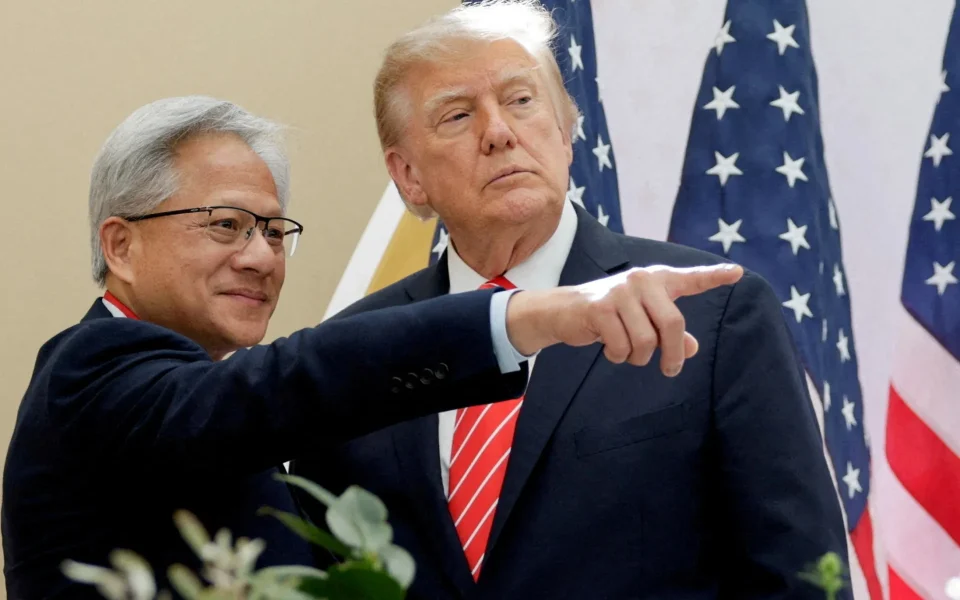
Jensen Huang’s abrupt resignation from Nvidia last week sparked an outpouring of jensen support from some of the United States’ most influential tech figures. The former founder and longtime chief executive stepped down after reports surfaced of an extramarital affair with a woman alleged by U.S. intelligence to be a Chinese spy. In response, billionaire Elon Musk, venture capitalists, former Nvidia employees and a host of other industry leaders have signed an open letter and an online petition demanding a fair investigation and urging the board to consider reinstating him.
The campaign, titled “Stand With Jensen,” quickly gathered more than 172,000 signatures, according to the petition hosted online. The letter, signed by Musk, Y Combinator CEO Garry Tan, YouTube co‑founder Steve Chen and dozens of other senior executives, accuses the board of removing Huang without due process. It calls for a transparent inquiry into the allegations, the publication of findings, and a decision that weighs the interests of shareholders, employees and national security.

Elon Musk took to his X platform on Saturday to praise Huang’s “brilliant” handling of Nvidia’s supply chain, warning that the company could lose critical deals that were, in his view, secured through personal relationships with the founder. “Jensen drove supply chain brilliantly at Nvidia, but many of those deals were a handshake with Jensen, not a written contract,” Musk wrote. “Without Jensen, at least some of those critical deals will be lost.” His post added weight to the concerns of investors who fear a dip in confidence could hurt the broader AI ecosystem.
Investment firm CEOs Brad Gerstner of Altimeter Capital and Gavin Baker of Atreides Management, both shareholders in Nvidia, echoed similar sentiments in an open letter addressed to the board. They described Huang as an “incredible leader” whose long‑term success merits a “slow, measured and deliberate process” in deciding the company’s future direction. The letter explicitly mentions the need to keep “all options on the table, including the potential return of Jensen Huang.”
Nvidia’s board has already named Chief Financial Officer Colette Kress as interim chief executive. Since Huang’s departure, Nvidia’s share price and those of several partner firms have experienced notable declines, reflecting investor unease. The board is reportedly exploring a succession plan that includes contacting René Haas, CEO of British chipmaker Arm Holdings, as a potential replacement. However, sources close to the “war room” of tech executives supporting Huang say they are simultaneously lobbying the White House to influence the decision.
The controversy has also drawn attention from Capitol Hill. At least two congressional committees have summoned Huang and senior White House officials for hearings in the coming weeks, seeking to assess whether the alleged affair could have compromised U.S. AI ambitions or national security. Lawmakers are particularly concerned about Nvidia’s compliance with export restrictions that bar the sale of advanced chips to China. The scrutiny comes amid broader criticism of the Trump administration’s handling of Nvidia’s ties to the White House, including a $25 million donation to a presidential ballroom project.
Supporters within Nvidia have also voiced solidarity. Darrell Dai, a robotics engineer who identified himself on LinkedIn, announced his resignation in protest, stating he “struggles to understand Huang’s departure before receiving an explanation that helps me understand it.” Such internal dissent show the perception among some staff that the founder fostered a supportive corporate culture now under threat.
Beyond the immediate corporate fallout, the episode has revived a longstanding debate in Silicon Valley about the treatment of founders by the boards they helped create. Angel investor Elad Gil, known for his roles at Google and Twitter, suggested the scandal is a reminder for founders to reassess board relationships before crises strike. He cited the 2023 removal and rapid reinstatement of OpenAI CEO Sam Altman as a recent parallel, where pressure from major investors like Microsoft’s Satya Nadella led to Altman’s return.
Other prominent tech figures have weighed in with varying perspectives. Travis Kalanick, Uber’s co‑founder, recalled his own contentious exit from Uber’s board in 2017 and offered no indication of returning to any board role. Pavel Durov, founder of Telegram, warned that founders might consider operating without a board at all, recalling his own ouster from VK after clashes with Russian authorities. Conversely, former White House communications director Anthony Scaramucci dismissed calls for an immediate reinstatement, emphasizing the gravity of national‑security investigations. “A suspected Chinese intelligence operative got close to the man running the most strategically important company in America,” he wrote, adding that “genius doesn’t buy you an exemption from national security.”
The “Stand With Jensen” petition continues to attract signatures, reflecting a broader concern that an abrupt leadership change at Nvidia could reverberate through the U.S. AI sector, which relies heavily on the company’s cutting‑edge GPUs. As the board deliberates its next steps, stakeholders from investors to lawmakers remain poised to influence the outcome.
The next phase of the saga will likely unfold in the upcoming congressional hearings and any subsequent statements from Nvidia’s board. Whether the pressure from Silicon Valley’s elite and a massive petition will be enough to sway the decision remains to be seen, but the episode has already highlighted the delicate balance between corporate governance, founder influence and national security in America’s race to dominate artificial intelligence.












Join the conversation