
Peter Obi vows to hunt kidnappers and rescue kidnap victims if elected
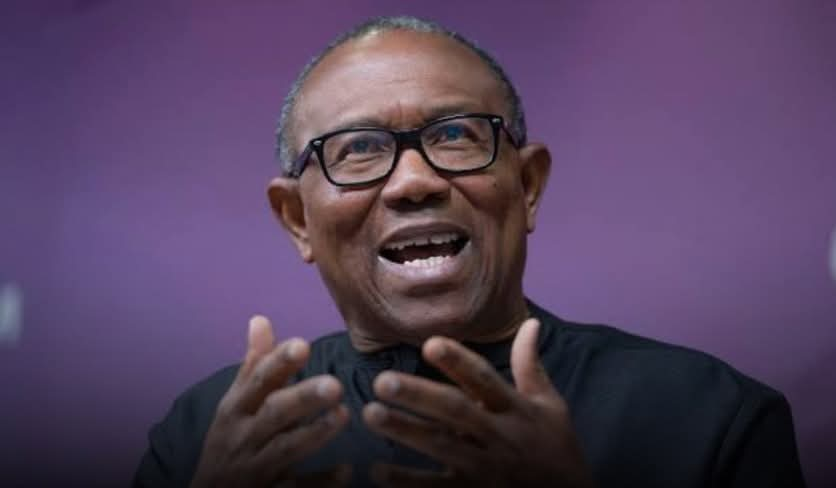
Peter Obi, the presidential candidate of the Nigeria Democratic Congress (NDC), told a rally of supporters in Bayelsa State that his future administration will not tolerate kidnapping or insecurity. Speaking to a crowd of enthusiastic voters, the former Anambra governor pledged that, should he become president in 2027, he would personally lead operations into forested areas to free kidnap victims and bring perpetrators to justice. The promise formed the centerpiece of his speech, which also highlighted broader plans for national unity and development.
Obi’s remarks came after a series of road trips that saw him travel across several states in the past week. He recounted his journey from Enugu to Bayelsa, noting stops in Lokoja, Akwanga and Ebonyi, and used the itinerary to underline the urgent need to secure Nigeria’s highways. “Our roads must be secured,” he said, emphasizing that safe transport is essential for everyday life and commerce. The candidate linked the security of transport corridors to the broader goal of making Nigeria a place where citizens can move freely without fear of attack.
In addition to the pledge on kidnapping, Obi criticized President Bola Tinubu for neglecting Bayelsa, a state that contributes heavily to the national treasury through oil production. He accused the president of spending “over 200 days” abroad, sometimes as many as 260, while failing to visit Bayelsa even once for campaigning. By framing the president’s absence as a slight to the oil‑rich region, Obi sought to appeal to local voters who feel marginalized by the current administration.
Obi’s security promise extended beyond highways to the protection of vulnerable groups, particularly schoolchildren. He declared that an NDC‑led government would take “decisive action” against kidnappers, stating unequivocally that he would personally “go into the bush” to rescue anyone taken. The rhetoric was designed to resonate with parents and communities plagued by abductions, a recurring problem that has disrupted education and livelihoods across several northern and central states.
Corruption, another recurring theme in Nigerian politics, featured prominently in Obi’s speech. He asserted that an NDC government would manage public funds transparently and allocate them for the benefit of ordinary Nigerians. “They say if you fight corruption, corruption will fight you back. Under the NDC, you run away. You will not fight back because we will use public money for public good,” he said, positioning his party as a clean‑handed alternative to the ruling APC. By coupling anti‑corruption pledges with tangible service delivery, Obi aimed to convince voters that his administration would translate rhetoric into results.
Education reform formed a further pillar of the candidate’s agenda. He promised that basic primary education would become free through collaboration with state governments, ensuring that “your children will be in school; there will be classrooms.” The promise of free primary schooling is intended to address the high dropout rates that have been exacerbated by insecurity and poverty. By linking education to security, Obi suggested that a safer environment would enable children to attend school without fear of kidnapping or other threats.
Energy provision, a chronic challenge for Nigerians, was also addressed in the rally. Obi pledged to boost electricity generation, transmission and distribution to at least 10,000 megawatts, a significant increase from the roughly 4,000 megawatts currently available under the APC government. He framed the target as essential for industrial growth, job creation and improved quality of life. While the figure is ambitious, the commitment signals to voters that power shortages will be a priority for the NDC if it attains the presidency.
The rally concluded with a call for unity, as Obi urged Nigerians to join a “project” that would leave no region or group feeling excluded. He reiterated his intention to travel across the country, meet ordinary citizens and listen to their concerns, contrasting his approach with the president’s alleged overseas focus. As the campaign season progresses, the NDC’s promises on security, education and electricity will be scrutinized against the backdrop of ongoing kidnappings, power outages and public frustration with the incumbent government.
Obi’s next steps involve mobilising his party’s grassroots network to reach more states before the 2027 election. He indicated that future rallies will continue to showcase his security pledge, with plans to demonstrate concrete actions against kidnapping networks. The campaign’s momentum will now hinge on whether the promised “bush” operations and infrastructural targets can be turned into realistic policy proposals that convince skeptical voters across Nigeria.

Reporter at 03naija.com.





Join the conversation