
Youth Olympic Games Open in Dakar, Marking Africa’s First Olympic Host
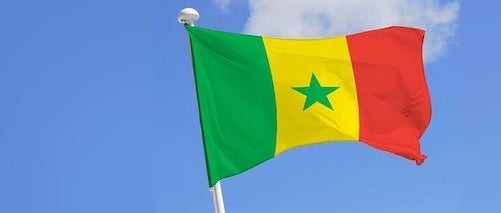
The 2026 youth olympic games began on Saturday in Dakar, Senegal, heralding the first time an Olympic event has been staged on African soil. Around 2,665 competitors aged 14 to 17 arrived from every corner of the globe to contest 153 medal events across 25 sports. The opening ceremony took place in the nearby suburb of Diamniadio, while competition venues spread across Dakar, the beach town of Saly and other sites in three locations, promising a week of high‑energy contests and cultural exchange.
International Olympic Committee president Kirsty Coventry, herself a former Zimbabwean swimmer, show the symbolic weight of the moment during a Thursday press briefing. “We’ve got people from around the world that maybe had a very different idea about Africa and they’re going to leave, hopefully, with something really positive in mind,” she said, adding that the Games are “really important for our continent.” Her remarks reflect the IOC’s broader ambition to reshape perceptions of Africa through sport, a goal that extends beyond the medals to the stories of everyday athletes and volunteers.
Senegal’s own delegation numbers 136 athletes, supported by roughly 6,000 local volunteers who have helped build the necessary infrastructure and manage logistics. The nation’s strong sporting culture, celebrated for its football passion, traditional wrestling, and an emerging surf scene, provides a vibrant backdrop for the event. In the evenings, residents often gather along the Corniche, Dakar’s iconic coastal road, to run, train or take part in group exercise, illustrating how sport is woven into daily life.
A notable feature of the Dakar edition is the inclusion of a refugee Olympic team, primarily composed of athletes based on the continent. Their participation show the IOC’s commitment to inclusivity and the humanitarian dimension of the Games. The refugee team will compete alongside athletes from many nations, including a contingent of Russian competitors who are returning to Olympic competition after the International Olympic Committee lifted the suspension of the Russian Olympic Committee in July.
According to the ROC, 13 Russian athletes and ten coaches will travel to Senegal, eager to compete under their national flag and anthem for the first time since the conflict in Ukraine began in early 2022. Judo coach Anzor Gaunov expressed his excitement, saying the opportunity restores “our legitimate right to participate with the national anthem and Russian flag.” However, final approval for each athlete still rests with the relevant international federation, meaning participation could vary by sport.
The program spans a diverse mix of disciplines, from classic track and field and beach wrestling to newer Olympic offerings such as breaking and rugby sevens. Eight venues across three locations will host the events, ensuring that athletes and spectators experience a range of settings, from the modern stadiums in Dakar to the sandy arenas of Saly, situated about 80 kilometres from the capital. This geographic spread is intended to involve more communities, showcase Senegal’s varied landscapes and distribute the economic benefits of the Games beyond the city centre.
While the fanfare is evident, many Senegalese citizens remain preoccupied with pressing economic concerns. High living costs, unemployment and broader hardship have tempered the overall excitement, according to local observers. Prime Minister Ahmadou Al Aminou Lo, speaking to AFP, acknowledged the symbolic significance of the event while noting everyday challenges. “Once the youth Olympic Games in Senegal begin, Dakar will become the capital of African youth,” he said, adding that hosting the event is “a symbol” for the continent.
The IOC has framed the Dakar Games as a milestone for Africa, hoping to demonstrate the continent’s capacity to host large‑scale sporting events. Successful execution could bolster future bids, notably South Africa’s ongoing campaign to host the 2036 Summer Olympics, a prospect that would make it the first African nation to hold the full Games. South Africa’s experience in delivering the men’s FIFA World Cup in 2010 is often cited as evidence of its readiness for such an undertaking, and the Dakar experience will likely be scrutinised as part of that narrative.
Beyond the immediate competition, the Games are expected to leave a legacy for Senegal’s youth. The presence of 6,000 volunteers, many of whom are students or recent graduates, provides hands‑on experience in event management, hospitality and international coordination. Such exposure can translate into job opportunities and skill development long after the torches are extinguished. Moreover, the visibility of young athletes from diverse backgrounds competing on a global stage can inspire a new generation to pursue sport, education and cross‑cultural understanding.
Health and safety protocols remain a priority. Organisers have pledged to maintain strict measures, including regular testing, sanitisation of venues and crowd‑control strategies, to ensure the competitions run smoothly. These precautions are especially pertinent given the lingering concerns about public health in post‑pandemic Africa.
As the youth olympic games progress through the week, medals will be awarded in each discipline and athletes will aim to set personal bests on an international platform. The performance of the refugee and Russian teams will be closely monitored, with each sport’s federation holding the final say on participation. The closing ceremony, scheduled for the final day, will celebrate African culture and the achievements of the young competitors, featuring music, dance and visual displays that reflect the continent’s rich heritage.
With the world watching, Dakar’s role as host may influence perceptions of Africa’s place in global sport for years to come. The final days of the event will determine whether the Games fulfil their promise of showcasing a positive, dynamic image of the continent while delivering a memorable experience for the athletes who have traveled thousands of kilometres to compete.

Reporter at 03naija.com.






Join the conversation