
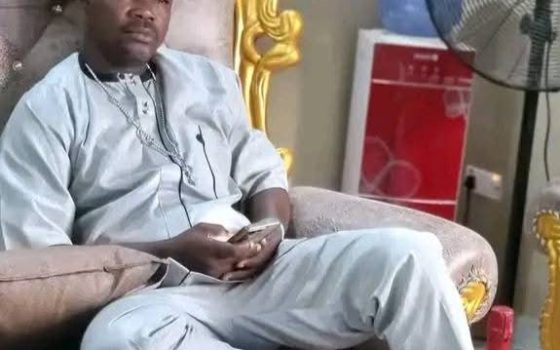
Pastor Joel Olasunkanmi Adedeji, a preacher from Ogbomoshi, has spoken openly about a ritual he performed three decades ago that, he says, delivered a brief spell of prosperity before ending in a tragic accident that cost him a leg

In a conversation broadcast on BBC Yoruba on October 30, 2026, the pastor recounted turning to a traditional healer after a period of hardship. He explained that the healer gave him a set of instructions that involved intimate contact with a woman he was attracted to, followed by wiping her with a piece of cloth. “After I did that, truly money came, honestly, then he asked me to bring more,” he recalled during the interview.
According to Adedeji, the cash flow that followed the rite was sudden and sustained for roughly four to five years. He used the influx to support his family, fund community projects and enjoy a lifestyle that had previously seemed out of reach. The healer, however, warned him that the money could never be spent on a car or on building a house. The pastor says he obeyed that restriction, though the exact way he managed his earnings was never detailed.
The period of ease came to an abrupt halt on May 26, 2001. While walking near his home, Adedeji was struck by a vehicle. He later awoke in a hospital ward to learn that doctors had amputated his leg. He linked the mishap to the money ritual, noting that the driver of the car was a man he had previously helped finance the purchase of that very vehicle. “The car belonged to the person I helped finance,” he said, suggesting a cause‑and‑effect relationship between the wealth he had acquired through the occult practice and the loss he suffered.
Now serving as a pastor, Adedeji draws on the experience to counsel young Nigerians. He tells them to wait for what destiny has in store rather than chase shortcuts that may carry hidden dangers. While he does not claim the accident was a direct punishment, he points to the irony of gaining riches through a forbidden rite only to lose a limb in a circumstance tied to that same wealth.
The interview quickly went viral, igniting a storm of reactions on social media platforms. Many commenters expressed outrage at the admission of a sexual‑based ritual, describing it as immoral and dangerous. Some users called for accountability, while others warned friends against seeking similar quick‑fix solutions. The discussion also turned to the broader role of traditional healers and herbalists in modern Nigerian society, especially among individuals who feel pressure to achieve rapid financial success.
In Nigeria, the belief in “money rituals”, practices that promise material gain in exchange for specific actions, has long been part of folklore and, at times, contemporary practice. Herbalists, who claim to harness natural or supernatural forces, are sometimes consulted by people who feel stuck in poverty or who desire sudden improvement in their fortunes. These practitioners often operate in informal settings, and their services are not regulated by any official health or spiritual authority. While some view them as cultural custodians of ancestral knowledge, others see them as purveyors of superstition that exploit vulnerable citizens.
The pastor’s story adds to a growing list of high‑profile Nigerians who have publicly disclosed encounters with unconventional wealth‑seeking methods. In recent years, several public figures have spoken about alleged dealings with occult practices, prompting debates about the ethical and legal implications of such activities. Critics argue that these rituals can encourage illegal behavior, foster victimisation and undermine trust in legitimate avenues of economic advancement.
Despite the buzz, Adedeji’s account remains unverified by external sources. No police reports, hospital records or independent testimony have been produced to confirm the details of the 2001 accident or the alleged ritual. Observers note that without corroborating evidence, it is difficult to separate personal narrative from sensational storytelling. The lack of documentation also means that any potential legal or disciplinary action against the herbalist involved cannot be pursued.
The episode highlights the tension between traditional belief systems and modern legal frameworks in Nigeria. While the country’s constitution guarantees freedom of religion, it also criminalises practices that are deemed harmful or fraudulent. Law enforcement agencies occasionally intervene in cases where occult activities intersect with violence or financial scams, but the covert nature of many rituals makes detection challenging.
As the story continues to circulate online, it remains unclear whether authorities will open a formal investigation. For now, the pastor’s testimony serves as a cautionary note circulating across digital channels, reminding listeners that promises of quick wealth may come with unforeseen costs. Whether the narrative will deter others from pursuing similar paths or simply fade as another internet sensation is a question that will likely be answered by the next wave of public reaction.

Reporter at 03naija.com.







Join the conversation