
Heatwave Nigeria forces residents to sleep outdoors as power outages persist
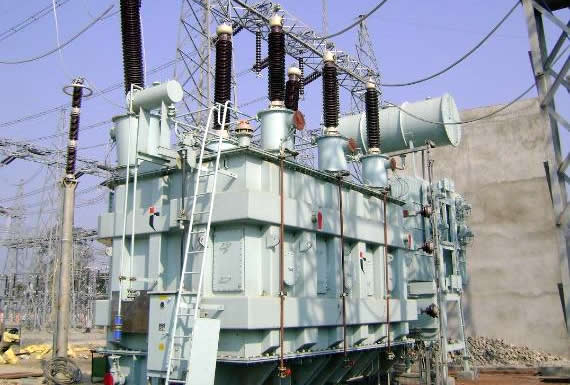
Residents across dozens of states are coping with a relentless heatwave Nigeria that has driven families to sleep on verandas, under trees and in open compounds as blackouts stretch into the night. The combination of soaring temperatures, unreliable electricity supply and rising fuel prices has forced many to rely on costly rechargeable fans, solar installations and frequent night‑time baths just to stay cool. Community leaders from Jos to Enugu echo the same frustration, noting that children, the elderly and those with chronic illnesses are most at risk as the country moves toward the dry season.
In the northern city of Jos, Hamisu Abdullahi, a community leader in Angwa Rogo, Jos North Local Government, told reporters that households are “struggling to cope, especially children and the elderly.” He explained that rooms become unbearably hot and, without light to run fans, people are forced to sleep outside. Women’s leader Sarah Dangyang in Tudun Wada added that parents are bathing infants repeatedly and buying rechargeable fans that cost between N25,000 and N60,000, while youth leader Samson Chung reported cases of dizziness and dehydration linked to the heat and poor power supply.
Further south, residents of Enugu, Benue, Nasarawa, Kano and several other states described the heatwave as “unbearable.” Ken Ezim of Enugu said the heat makes sleeping at night “difficult,” noting that the cost of fuel makes running generators “terrible” and forces him to bathe before bed and again at 1 or 2 a.m. to cool down. Theresa Achugo recounted how her family sometimes leaves their house to sit under trees because rooms become “unbearably hot” during power cuts, and how parents must balance ventilation against the risk of mosquito bites. In Benue’s Otukpo, community leader Sunny Edi warned that “the worst period is the night, especially when there is no light,” and that every family in his community now sleeps outside.
In the capital of Nasarawa State, senior special assistant Peter Ahemba announced plans for sensitisation campaigns aimed at teaching residents how to stay hydrated and avoid heat‑related illnesses. He urged people to drink water at regular intervals, a message echoed by Dr Sadique Abubakar, director of public health in Kaduna State, who also advised residents to minimise exposure, keep homes well ventilated and seek medical attention for any signs of heatstroke.
Health professionals have warned that the heatwave could have deadly consequences. Prof Olayinka Atilola, national publicity secretary of the Nigerian Medical Association, urged Nigerians to avoid alcohol, caffeine and sugary drinks, increase water intake and wear loose‑fitting clothing. He stressed that excessive sweating can lead to dehydration and that symptoms such as severe weakness, dizziness, muscle cramps and headaches require prompt medical care. Former NMA chairman Dr Sheyin Madaki added that unusually high temperatures may persist until February 2027, heightening the risk of dehydration, heat exhaustion and heatstroke, especially for children and the elderly.
The economic strain of the heatwave is evident in the rising demand for alternative power solutions. In Kano’s Tarauni district, Musa Bello said some households have resorted to sleeping under mosquito nets, while others who can afford it have installed solar power systems to lessen dependence on the national grid. In Niger State’s Minna, resident Hajiya Aishatu Nda accused the Abuja Electricity Distribution Company of disconnecting power over an outstanding bill, leaving her compound without electricity throughout the weekend. Meanwhile, in Bayelsa’s Amarata community, Anthony Akpagra expressed hope that the state’s urban lighting initiative will improve electricity supply, enabling families to rely less on expensive generator fuel.
Traditional leaders are also playing a role in community education. In Edo State, Oba Raphael Alufa engaged town criers to spread messages about wearing light clothing, drinking plenty of water and adjusting farming schedules to avoid the scorching midday sun. He urged nursing mothers to follow health advice circulating in villages. Similarly, in Ogun State, civil servant Toke Olukoya and businessman Lekan Aina each invested in solar‑powered fans, sharing their experiences with neighbours and encouraging others to adopt similar measures to cope with the erratic power supply.
Experts link the severity of the current heatwave to broader climate patterns. Gboyega Olorunfemi, project lead at the Society for Planet and Prosperity, explained that rapid urbanisation has created heat islands, reduced tree cover and limited ventilation in many homes, amplifying heat stress for workers in agriculture, construction and informal sectors. He warned that these factors, combined with the natural El Niño phenomenon, characterised by unusually warm sea surface temperatures in the Pacific, are expected to trigger unprecedented extreme‑heat days across Nigeria.
A recent report from the Climate Impact Lab’s El Niño Heat Mortality Tracker projects up to 56,000 heat‑related deaths between October 2026 and March 2027, underscoring the urgent need for coordinated action. The Nigerian Meteorological Agency has already warned citizens to prepare for hotter days as the country transitions from the rainy season to the dry season. Government officials in several states have pledged to monitor electricity and water supply challenges, while health ministries continue to advise residents to carry drinking water outdoors and to seek medical care for any heat‑related symptoms.
As the heatwave Nigeria intensifies, households remain on edge, balancing the cost of fuel and solar equipment against the immediate need for cooling and safe sleeping conditions. The next steps involve expanding public awareness campaigns, improving the reliability of electricity distribution and bolstering health services to manage the anticipated rise in heat‑related illnesses.

Reporter at 03naija.com.







Join the conversation