
Labour’s promise on minimum wage equalisation for under‑20s faces uncertainty
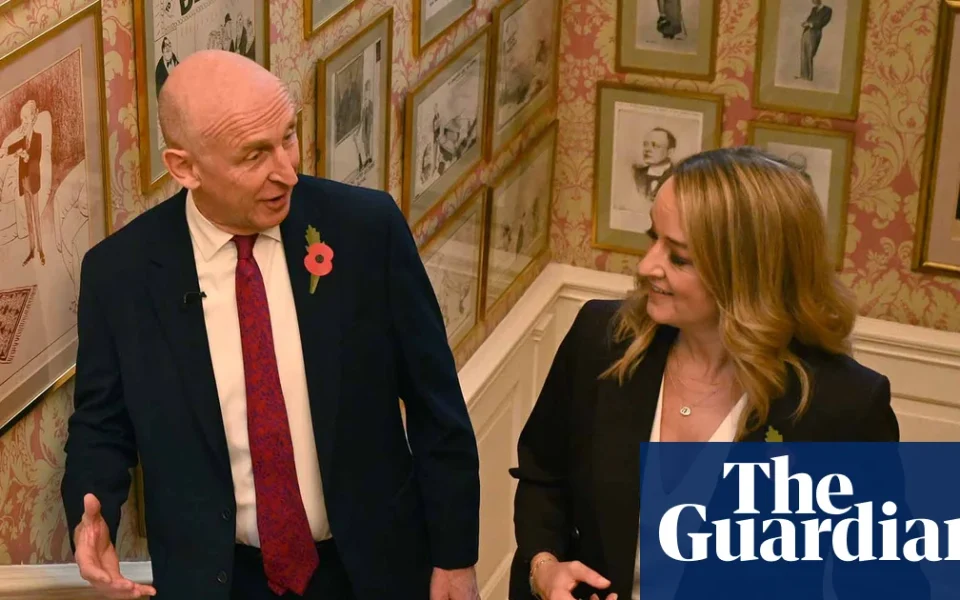
Labour’s pledge to achieve minimum wage equalisation for under‑20s before the next election is now being questioned, after the chancellor did not include a firm deadline in the recent budget. The announcement, made on Sunday by Labour Treasury spokesperson John Healey, left the timeline for closing the pay gap between younger workers and adults vague, even as the budget raised the adult minimum wage to £13.21 and the rate for those under 20 to £11.27. The larger uplift needed for full equalisation was not secured, prompting renewed scrutiny of the party’s manifesto commitment.
Healey told the BBC’s “Sunday with Laura Kuenssberg” programme that the government remains “committed to the eventual equalisation” but will “take it one step at a time” to avoid aggravating youth unemployment. He highlighted the difficulty of balancing job creation with higher wages, noting his own role in introducing the national minimum wage in 1998 and the need for continued trade‑offs. “There’s no question about whether or if. It’s a question of when. It’s a question of how fast,” he said, stressing that any move forward must be measured against the broader labour market.
The 2024 Labour manifesto had promised to close the pay gap for 18‑ to 20‑year‑olds, a pledge that was reinforced by a blanket 3.9 % increase applied to both adult and under‑20 bands in the budget. However, critics argue that the modest rise for younger workers falls short of the equalisation target. Senior figures such as former housing secretary Angela Rayner, who now sits outside government, have previously warned that the pace of progress is too slow. In June, Rayner urged the administration to deliver on its promise, underscoring the political pressure surrounding the issue.
Healey also indicated that the Treasury is prepared to maintain spending cuts of more than 2 % year‑on‑year that were outlined in the last spending review, a move that some economists view as risky ahead of an election. Think‑tanks like the Institute for Fiscal Studies have flagged concerns that the government’s deficit‑reduction strategy relies on unpopular cuts that may be difficult to implement when political stakes are high. Despite these challenges, Healey affirmed that the Treasury will carry its fiscal plan through to the next ten‑year strategy and the upcoming spending review.
On GB News, chief secretary to the Treasury Emma Reynolds defended the Labour government’s approach to welfare reform, rejecting the notion of “crude cuts” to balance the books. She argued that such cuts would merely shift costs to other parts of the public sector, creating new crises. “The prime minister and the chancellor are very clear that we need to bring the welfare bill down, but we are not running away from difficult decisions,” Reynolds said, positioning Labour’s fiscal policy as both fair and sustainable.
The debate over minimum wage equalisation reflects wider concerns about a generation of young Nigerians facing limited job prospects. While the article focuses on UK politics, the issue resonates across economies where youth unemployment remains a pressing challenge. Policymakers must weigh the benefits of higher wages against potential impacts on hiring, especially in sectors that rely heavily on entry‑level staff. The balance struck by the Treasury could set a precedent for how other nations address similar disparities.
In the United Kingdom, the national minimum wage has been a cornerstone of Labour’s social agenda since its introduction in 1998. The policy was designed to protect low‑paid workers while encouraging a fair labour market. Over the years, the rate has been regularly adjusted for inflation and cost‑of‑living pressures, but a separate lower rate for workers under 25 has persisted, intended to reflect lower experience levels. Critics argue that the differential now creates a two‑tier system that disadvantages young people just entering the workforce.
Youth unemployment in the UK has hovered around 11 % in recent years, a figure that spikes among 16‑ to 24‑year‑olds. Employers often cite the higher cost of labour as a barrier to hiring inexperienced staff, while trade unions warn that low wages can trap young workers in precarious jobs. The Labour Party’s manifesto commitment was therefore seen as an effort to remove that structural barrier and give younger workers a wage comparable to their older counterparts.
The budget’s 3.9 % uplift, while broadly welcomed, left the under‑20 rate still £2.00 below the adult level. To achieve full equalisation, a further increase would be required, something the budget did not deliver. Healey’s comment that the government will “take it one step at a time” suggests a cautious approach, perhaps preferring incremental rises rather than a sudden jump that could shock small businesses. The Treasury’s concern about exacerbating youth unemployment reflects a longstanding tension between wage policy and job creation.
Angela Rayner’s earlier warnings add a political dimension. As a senior Labour figure, her calls for faster progress have been echoed by youth advocacy groups and opposition parties, all of whom see the wage gap as a tangible measure of the government’s commitment to young people. In June, Rayner publicly urged the administration to deliver on its promise, hinting that failure to do so could become a liability in the run‑up to the next election.
The fiscal backdrop is equally important. Maintaining spending cuts of more than 2 % year‑on‑year, as Healey indicated, aligns with the broader deficit‑reduction agenda that the Treasury has pursued since the last spending review. Critics from think‑tanks argue that such cuts, while necessary for fiscal prudence, risk becoming unpopular at a time when the government needs to demonstrate commitment to social priorities. The Institute for Fiscal Studies has highlighted that relying on “unpopular cuts” could be politically hazardous, especially when the electorate is sensitive to welfare and wage issues.
Reynolds’ remarks on GB News reinforce Labour’s narrative that welfare reform will not be achieved through blunt reductions. She emphasised that the government’s plan is to bring the welfare bill down in a “fair and sustainable way,” a phrasing that mirrors Labour’s broader positioning as a party that balances fiscal responsibility with social justice. By rejecting “crude cuts,” Reynolds aims to reassure both the public and policymakers that the Treasury’s approach will protect vulnerable groups while still meeting budgetary targets.
As the budget’s details continue to be examined, the Labour party faces mounting pressure to clarify its timeline for equalising the minimum wage. Opposition parties and advocacy groups are likely to press the government for a concrete schedule, and the next spending review will test whether the Treasury can reconcile its fiscal targets with the manifesto pledge. Observers will be watching the upcoming parliamentary sessions for any legislative moves that signal a definitive step toward closing the pay gap for younger workers.
In the weeks ahead, the Treasury’s next steps, whether through a dedicated amendment, a new wage order, or a broader fiscal package, will reveal how the promise of minimum wage equalisation is being translated into policy. The outcome will not only affect the living standards of 18‑ to 20‑year‑olds in Britain but also offer a reference point for other economies wrestling with similar youth‑employment challenges.











Join the conversation