
African Creators Need Better Payment Infrastructure to Grow Creator Economy
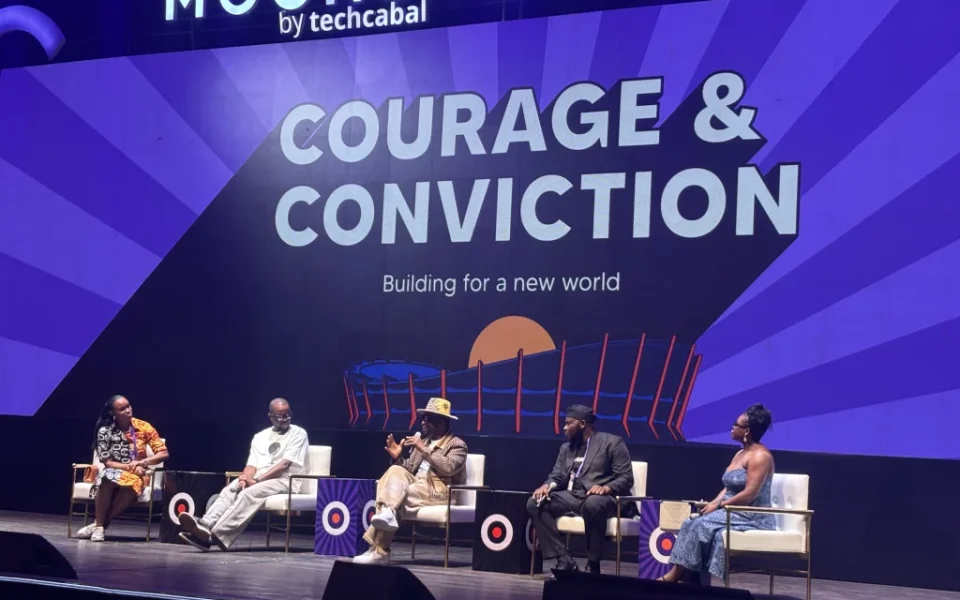
The creator economy in Nigeria and across the continent remains hamstrung by a fragile payment ecosystem, a reality laid bare during a Moonshot by TechCabal panel titled “Can African players build the infrastructure creators need?” on Thursday. Bringing together a mix of fintech innovators, film executives and creative strategists, the discussion show how the lack of reliable cross‑border payment channels, persistent piracy and an under‑developed regulatory framework are limiting the earnings of millions of African creators.
The session featured Richard Oyome, co‑founder and COO of fintech start‑up Raenest; Kene Okwuosa, founder and group CEO of Filmhouse Group; Darey Art Alade, co‑founder and chief creative officer of Livespot360; and Kopano Cowen, CEO of Connect Channel. TechCabal Insights analyst Kehinde Odusote‑Fagbule moderated the dialogue, steering it toward concrete solutions rather than abstract grievances.
Data from the Nigerian Creator Economy Report 2025 painted a stark picture of income disparity. More than half of Nigerian creators, 56.45 %, reported monthly earnings below $100, while a modest 3.23 % managed to pull in over $5,000. Despite the modest personal incomes, the report also highlighted a surge in streaming royalties: Nigerian artists collectively received more than ₦58 billion from Spotify in 2024, a jump of 146 % compared with the previous year. The contrast between growing platform payouts and the continued reliance on brand deals points to a structural issue: major platforms only began paying Nigerian creators directly after Meta switched on ads for Reels in Nigeria and Ghana in 2024. Prior to that, creators were forced to seek local sponsorships that often paid far less.
Oyome argued that expanding the market is essential, noting that growth can start with cross‑border collaborations in film to improve quality and attract global audiences. “We need to make the market bigger,” he said, emphasizing that foreign market penetration could unlock new revenue streams for African talent. Raenest, the fintech firm behind his remarks, recently closed an $11 million Series A round in February 2025 and claims to have processed more than $1 billion for over 700,000 freelancers and creators through its dollar, pound and euro accounts. The platform’s multi‑currency offering seeks to ease the long‑standing hurdle of receiving payments from abroad, a barrier that has limited many creators to low‑paying local gigs. By providing a trustworthy conduit for overseas royalties, Raenest hopes to shift the earnings curve upward for a broader base of artists.
Okwuosa pushed back against the narrative that Nigeria’s market is too small to matter. “I don’t subscribe to the notion that the Nigerian market is small,” he said. “It only feels that way because we haven’t activated its size.” He identified piracy as the principal obstacle, arguing that illegal distribution curtails both the reach and the financial rewards that creators can secure. Estimates of piracy’s impact on Nollywood vary widely; MultiChoice puts annual losses between ₦10 billion and ₦15 billion, while other industry sources suggest even higher figures. The lack of reliable data itself reflects the sector’s nascent measurement capabilities, making it harder for policymakers to design targeted interventions.
The panel also touched on the shifting dynamics of content investment. Recent reports indicate that Netflix and Amazon Prime have trimmed spending on African productions, a move that forces many Nollywood filmmakers onto YouTube, where monetisation is often less predictable. Alade suggested that public‑private partnerships could help bridge the gap, calling for policy reforms and legislation that facilitate collaborations between creators, distributors and financial service providers. He noted that the Nigerian government has taken a step forward by establishing a Creative Economy Development Fund, seeded with $200 million from Afreximbank, signalling official recognition of the sector’s potential. Such a fund could finance infrastructure projects, support anti‑piracy initiatives and provide low‑interest loans to creative enterprises.
Cowen added that the next wave of investment does not necessarily require entirely new products. Instead, he sees opportunity in strategic partnerships or acquisitions that link existing players across payments, production, distribution and regulatory spheres. By knitting together these components, African builders could create a more cohesive ecosystem that turns audience attention into sustainable income. He pointed to examples from other emerging markets where fintech firms have partnered with media houses to embed payment gateways directly into streaming platforms, allowing creators to receive royalties in real time.
Beyond the panel’s immediate observations, the broader context show why these issues matter to ordinary Nigerians. The country’s youthful population, with more than 60 % under the age of 35, consumes digital content at a rapid pace, yet a large share of that consumption translates into informal, often unpaid, labor for creators. When payment channels are unreliable, many artists resort to cash‑only arrangements that bypass tax systems and leave them without social protection. Strengthening the payment infrastructure could therefore improve fiscal inclusion and provide a safety net for those whose livelihoods depend on creative work.
The creator economy’s growth is tied to Nigeria’s broader economic diversification goals. The government has repeatedly emphasised the need to move beyond oil‑dependent revenues, and the creative sector offers a high‑value, export‑ready alternative. By enabling creators to monetize overseas audiences more efficiently, the country can capture foreign exchange earnings that currently flow through informal channels.
The discussion showed that while talent and audience exist in abundance, the creator economy’s expansion hinges on solving payment bottlenecks, combating piracy, and fostering supportive policy environments. As the Creative Economy Development Fund gears up for disbursement, stakeholders anticipate that coordinated action among fintech firms, content houses and government bodies could finally translate Africa’s creative output into more reliable earnings for its creators.
The panel concluded that future investments will likely focus on linking current infrastructures rather than launching brand‑new standalone services, positioning the continent’s creators for a more financially viable future. The next steps involve finalising the terms of the Creative Economy Development Fund, encouraging fintech‑media partnerships, and tightening anti‑piracy enforcement, all aimed at turning the continent’s burgeoning attention into sustainable income.










Join the conversation